Acts 9
I 'utz laj tzij re i dios · Tap a verse to see its cross-references.
I u cʼutic rib i Kajwal che i ma Sáulo
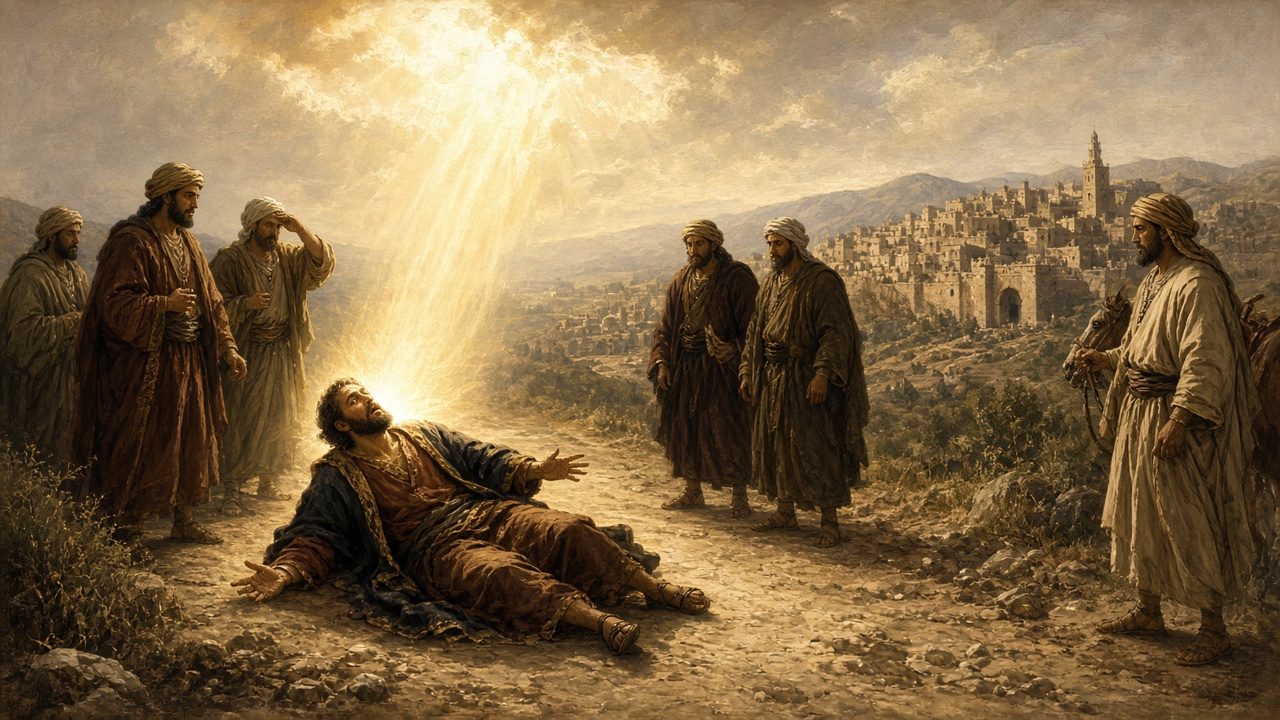
1I ma Sáulo n-xu mayij tu bixquil i qui camsaxic niʼpa i qui jachom quib puʼab i Kajwal Jesus. Rumal ʼuri xa ʼe ruʼ i ʼatz laj sacerdóte, 2xe u tzʼonoj u wuj re i rocbal pa tak molbalʼib pa tinimit Damásco, que u tzucbej que i creyent. Craj ire que u cʼam lok, que u tzʼapij pa Jerusalen, chi achiab, chi ixokib. 3Xui-ri, are ca tijin chi be, ya cupon chu nakaj i tinimit Damásco, xak teʼet xpe jun ʼaʼ chicaj, xrepcan chirij chuwach. 4I ma Sáulo xtzak pulew; are ʼuri xu ta jun chʼawbal chicaj chi xu bij:
—A-Sáulo, a-Sáulo, ¿wuchac ca ʼan chʼoʼoj chwij yin? —xbix che.
5I ma Sáulo xu tzʼonoj che:
—¿At pachin yet, Nim laj Winak? —coʼono.
Teʼuri xbix che:
—Yin in Jesus; chwij yin cat tijin wi chu ʼanic chʼoʼoj. Xui-ri, xa atuquel yet ca ʼan cʼax che awib, pacha coʼon jun boyex are cu coj akan che jun puyu; utuquel coʼon cʼax che rib, queje ca ʼan yet ile —xbix che.
6I ma Sáulo ca sicsat rumal u xibriquil.
—Kajwal, ¿wach cawaj yet quin ʼano? —xu bij.
I Kajwal xu bij che:
—Chat walijok, jat pa tinimit. Chila ca bix wi chawe wach i ca ʼano —xbix che.
7I achiab chi je rachiʼil i ma Sáulo je ocnak ʼil man xqui ta i chʼawbal, xui-ri n-xquil tu wach i xchʼawic. 8I ma Sáulo xwalij chuwach ulew, péro are xu jak u baʼwach, n-ca tzun ta chic. Rumal ʼuri, xqui chʼelej bi che u ʼab, y xqui cʼam bi pa tinimit Damásco. 9Chila xu chʼij oxib ʼij n-ca tzun taj; n-cu tij ta chic u wa, n-cu tuʼ ta chic u yaʼ.
I Kajwal cu tak i ma Ananías chi rutzirsaxic i ma Sáulo
10ʼO jun creyent, ma Ananías u bi, jekel chila pa Damásco. Ire xril pu wach chi i Kajwal xu cʼut rib chuwach.
—¡Ananías! —coʼon che.
—¿Wach cawaj, Kajwal? —xu bij ire.
11Are ʼuri i Kajwal xu bij che:
—Chat walijok, jat pa be chi “Sucʼulic” ca bix che. Chila, che i rachoch i ma Júdas, cha tzucuj wi jun achi, ma Sáulo u bi, aj pa tinimit Társo. Woʼor ca tijin chu tzʼonoxic che i Dios. 12I achi-le, at royʼem, man rilom chic pu wach chi cupon jun achi ruʼ, ma Ananías u bi. Xak xin bij che chi yet ca coj ni a ʼab puwi man ca tzun tan chic —coʼon che i ma Ananías.
13I ma Ananías, are xu ta, xu bij:
—Kajwal, je qʼui je bin-nak chwe chi i achi-le, are ʼo pa Jerusalen, mas i cʼax xu ʼan chique i je awe yet. 14Y ya xcʼun chi, col u chapbej-que niʼpa i quiqui tzʼonoj i tobal-que chawe. I cajʼatzil i sacerdóte xqui ya che chi cu ʼan ile —coʼon i ma Ananías.
15Are ʼuri i Kajwal xu bij che:
—Jat; ya xin cha i achi-le ca ʼe u bij in tzij chique i ne te aj Israel winak, xak chique i qui ʼatol tzij, xak chique i aj Israel. 16Quin cʼut na che niʼpa u qʼuial i cʼax cu chʼij na xa wumal yin, are cu bij in tzij chique i winak —xu bij i Kajwal che.
17Teʼuri i ma Ananías xa ʼe ruʼ ja pa ʼo wi i ma Sáulo. Xoc bic, xu ya u ʼab puwi y xu bij che:
—Wachalal ma Sáulo, i Kajwal Jesus chi xu cʼut rib chawe pa be, are i xin takaw li awuʼ. Xin u tak lok man cat tzun tan chic, xak coc li u Tewal i Dios pawanima —xu bij i ma Ananías che.
18Are ʼuri i ma Sáulo pacha xcʼojwan u baʼwach, y xtzun chic. Teʼuri xwalijic, y xkajsax ya puwi. 19Teʼuri xu tij u wa; xqʼuiji chic u choʼab. Xnajtin jubiʼ chila pa tinimit Damásco cuʼ i creyent.
I ma Sáulo xoc chu cʼutic u tzij i Kajwal pa Damásco
20I ma Sáulo, are ʼutz chic, juntir xu jek qui solixic i tak molbalʼib que i aj Israel, y xoc chu bixquil chique chi Jesus are u Cʼojol i Dios. 21Conojel i xe tawic lic xqui bisoj:
—I achi-le, ¿xataba n-are ti ire-le chi xu ʼan chʼoʼoj chiquij i creyent? Ire-le, are ʼo pa Jerusalen, xe u chap niʼpa i quiqui tzʼonoj i tobal-que che i Jesus. Teʼuri xcʼun waral que u chapbej bi que i creyent; xraj ire que u cʼam bi pa Jerusalen, que u jacha chique i cajʼatzil i sacerdóte. (Queje xqui bij i winak ile pa molbalʼib.)
22Xui-ri, i ma Sáulo xa xu cowij mas u cʼutunic chique. Lic xu ʼalijinsaj chique chi are i Jesus are i Tolque chi coyʼem. Xeʼelok chi niʼpa i aj Israel je jekel pa tinimit Damásco n-quiqui rik ta chic wach quiqui bij che.
I ma Sáulo xa ʼanmaj chiquiwach i nimak tak aj Israel
23Xoʼon chupan jubiʼ, i nimak tak aj Israel xqui junamsaj qui noʼoj chi quiqui camsaj i ma Sáulo, 24xui-ri, ire xu ta rason wach i qui chʼobom. Ique, chi paʼij chi chaʼab cacoyʼej pa tak ʼelbal bic re i tinimit, quiqui camsabej-re. 25I creyent xqui to i ma Sáulo; xqui ya chupam jun nim laj chicach chaʼab, y xqui kajsaj chirij i tapia chi u sutim rij i tinimit. Queje u totajic ile xqui ʼano.
Wach i xu cʼulmaj i ma Sáulo pa Jerusalen
26I ma Sáulo xa ʼe chic pa Jerusalen; are xuponic, craj ire coc cuʼ i creyent. Xui-ri ique xqui xij quib che, n-xqui coj taj we katzij u yom chic rib puʼab i Jesus. 27ʼO jun creyent, ma Bernabe u bi, xu cʼam bi i ma Sáulo cuʼ i apostelab, man caquetamaj u wach. I ma Bernabe xoc chu bixquil chique wach u cʼulaxic i Kajwal xu ʼan i ma Sáulo pa be, xak wach u ʼijlaxic xu ʼan i Kajwal. Xak xu bij chique chi i ma Sáulo co i u cʼux xu lap i Jesus chique i aj Damásco. 28Teʼuri i ma Sáulo xnajtin cuʼ i creyent pa Jerusalen; pa i que ʼe wi ique, xak ca ʼe ire cuʼ. 29Ire lic co u cʼux xu lap i Kajwal chique i winak. Xlapan cuʼ i aj Israel winak chi que chʼaw piqui chʼawbal i aj Griégo; ʼolic xqui chap quib chi tzij cuʼ. Xui-ri, ique xqui tzucuj wach camsabal-re. 30I creyent, are xqui ta ile, xqui cʼam bi che i tinimit Cesaréa, teʼuri xqui tak bi che i tinimit Társo. (Queje u totajic ile xqui ʼano.)
31Are ʼuri, xuxlan jubiʼ i chʼoʼoj chiquij i tak tzobajil creyent chi je ʼo pa tak tinimit re i jyub Judéa, xak re i Galiléa, xak re i Samária. Ique lic xcowir u cubibal qui cʼux che i Kajwal, lic quiqui coj u ʼij, lic quiqui coj u tzij, xak xe qʼuiar rumal u Tewal i Dios.
I ma Pédro xrutzirsaj jun achi pa tinimit Lída
32I ma Pédro are ca tijin chi qui solixic i creyent pa tak tinimit, xak xa ʼe bin cuʼ i je ʼo pa tinimit Lída. 33Chila xu rik wi jun achi, ma Enéas u bi; ʼo chic wajxakib junab che chi cotzʼol puwi u chʼat, siquirnak u chʼacul. 34I ma Pédro xu bij che:
—Ma Enéas, i Jesucrísto cat rutzirsaj. Chat walijok y cha yijba a chʼat —coʼon che.
I ma Enéas juntir xwalijic. 35Conojel i aj pa tinimit Lída xquilo wach i xa ʼanic, xak queje i aj pa taʼaj Saron; rumal ʼuri xqui jalwachij qui nojbal chi n-ʼus taj, y xqui ya quib puʼab i Kajwal.
I ma Pédro xu cʼunsaj sak chuwach i ati Dórcas
36Che i Lída, nakaj ʼo wi i tinimit Jópe pa jekel wi jun ixok creyent, ati Tabíta u bi. (Piqui chʼawbal i aj Griégo winak, ati Dórcas quiqui bij che.) I ixok-le, ʼutz laj winak, mas que u to i nibaʼib. 37Che tak i ʼij-le (are ʼo i ma Pédro pa Lída), i ati Dórcas xiwajic y xcamic. ʼO i xchʼajaw u chʼacul y xqui ya pu caleja. 38I tinimit Jópe n-naj ta ʼo wi che i tinimit Lída, pa ʼo wi i ma Pédro. I creyent pa Jópe quetaʼam chi chila ʼo wi, rumal-i xqui tak u siqʼuixic. Xe qui tak bi queb achiab chu bixquil che chi weʼ u wach cha petok.
39I ma Pédro xa ʼe cuʼ; are xuponic, xcʼam bi chila pa ʼo wi i camnak. Je qʼui ixokib malcanib que oʼic; xqui mol quib chirij chuwach i ma Pédro. Xqui cʼut che niʼpa i camix, niʼpa i qui ʼuʼ u yijbam, u si pam can i ati Dórcas chique are cʼaslic. 40I ma Pédro xu bij chique chi que ʼel bi jubiʼ. Teʼuri xuqui ruʼ i camnak y xu tzʼonoj che i Dios. Xu maj u takexic i camnak:
—Tabíta, chat walijok —xu bij che.
Xak teʼet, i ixok xu jak u baʼwach; are xu takej i ma Pédro, xcubi ʼanok. 41Teʼuri i ma Pédro xu chap che u ʼab y xu yaco. Xe u siqʼuij i creyent, xak i ixokib malcanib, y xu jach i ati Dórcas chique, cʼas tan chic. 42Ile, xpax rason ronojel i tinimit Jópe; teʼuri je qʼui i winak xqui cuba qui cʼux che i Kajwal. 43I ma Pédro xnajtin jubiʼ che i tinimit-le. Xqʼuiji pa rachoch jun aj tucul tzʼum, ma Simon u bi.
Did you know?
Saul's Conversion and Peter's Ministry
- The persecutor in this chapter is called Saul, a man from Tarsus. Saul was the name he received at circumcision, his Hebrew name at home; the name Paul was probably also given to him in infancy for use in the Gentile world. Tarsus, the capital of Cilicia, a Roman province in southeast Asia Minor, stood on the river Cydnus, navigable that far, was distinguished for its wealth from trade with Mediterranean lands and central Asia Minor, and was the seat of a famous university whose schools are described as rivaling those of Athens and Alexandria.Sources: Paul · Tarsus · the Bible text itself
- Damascus, which Saul was approaching with letters from the high priest so that he could bring men and women of the Way as prisoners to Jerusalem, is described as the most ancient of the cities of the East and the capital of Syria, about 133 miles north of Jerusalem. Ananias was sent to the house of Judas, a Jew of Damascus, on the street called Straight, a long broad street running east to west for about a mile and forming the city's principal thoroughfare, unlike the narrow and irregular streets usual in towns of the East. That street is identified with the street of bazaars, where a so-called house of Judas has been pointed out.Sources: Damascus · Straight Gate · Judas (Jew of Damascus) · the Bible text itself
- Lydda, where Peter found Aeneas, paralyzed and bedridden for eight years, lay about nine miles east of Joppa, on the road from that seaport to Jerusalem. Joppa stood on a sandy promontory about thirty miles northwest of Jerusalem and was the chief seaport of Judea. There the disciple Tabitha is also called Dorcas, a Greek name meaning gazelle; she was known for works of kindness and charity, and the widows showed Peter the tunics and other clothing she had made.Sources: Lydda · Joppa · Dorcas · the Bible text itself
Notes written with AI assistance from open sources (Theographic Bible Metadata, CC BY-SA 4.0; Easton’s Bible Dictionary, public domain) and reviewed before publishing.
Places in this chapter
- Damascus · 33.511, 36.306 · verses 2, 3, 8, 10, 19, 22, 27
- Jerusalem · 31.777, 35.234 · verses 2, 13, 21, 26, 28
- Straight Street · 33.509, 36.311 · verse 11
- Tarsus · 36.913, 34.892 · verses 11, 30
- Caesarea · Today: Caesarea Maritima · 32.500, 34.892 · verse 30
- Galilee · 32.760, 35.527 · verse 31
- Judea · Today: Judea 1 · 31.777, 35.234 · verse 31
- Samaria · Today: Samaria 2 · 32.276, 35.195 · verse 31
- Lod · 31.950, 34.900 · verses 32, 35, 38
- Sharon · Today: Sharon Plain · 32.400, 34.883 · verse 35
- Joppa · Today: Jaffa · 32.054, 34.753 · verses 36, 38, 42, 43
Only places identified with high confidence are shown (90% or more according to the scholarly sources compiled by OpenBible). Period map: DARE (Digital Atlas of the Roman Empire), CC BY 4.0; modern map: © OpenStreetMap contributors; places: OpenBible.info (CC BY 4.0).
Credits and license for this translation
I 'utz laj tzij re i dios
New Testament in Achi (I 'utz laj tzij re i dios)
copyright © 2009 Wycliffe Bible Translators, Inc.
Language: Achi
Dialect: Cubulco
Translation by: Wycliffe Bible Translators, Inc.
Achi, Cubulco
Achi' is a Mayan language very
closely related to K'iche' (Quiché in the older orthography). It is spoken by the
Achi people, primarily in the area of Baja Verapaz in Guatemala. There are two Achi'
dialects. Cubulco Achi' is spoken by approximately 48,000 people in the Cubulco area
west of Rabinal area. Rabinal Achi' is spoken by approximately 37,000 people in the
Rabinal area.
El Nuevo Testamento
en el idioma Achí de Cubulco de
Guatemala
Ediciones anteriores
Segunda edición
©2009, Wycliffe Bible
Translators
Primera edición
Publicado por
©1984, Sociedad Bíblica
Internacional
Copyright Information
© 2009, Wycliffe Inc. All rights reserved.
This translation text is made available to you under the terms of the Creative
Commons License: Attribution-Noncommercial-No Derivative Works. ( http://creativecommons.org/licenses/by-nc-nd/3.0/ ) In addition, you have
permission to port the text to different file formats, as long as you do not change
any of the text or punctuation of the Bible.
You may share, copy, distribute, transmit, and extract portions or quotations from
this work, provided that you include the above copyright information:
You must give Attribution to the work.
You do not sell this work for a profit.
You do not make any derivative works that change any of the actual words or
punctuation of the Scriptures.
Permissions beyond the scope of this license may be available if you contact us
with your request. If you want to revise a translation, use a translation in an
adaptation, or use a translation commercially, we will consider your request.
NT:segunda edición
The New Testament
in Achi
© 2009, Wycliffe Inc. All rights reserved.
This translation is made available to you under the terms of the
Creative Commons Attribution-Noncommercial-No Derivatives license 4.0.
You may share and redistribute this Bible translation or extracts from it in any format, provided that:
You include the above copyright and source information.
You do not sell this work for a profit.
You do not change any of the words or punctuation of the Scriptures.
Pictures included with Scriptures and other documents on this site are licensed just for use with those Scriptures and documents.
For other uses, please contact the respective copyright owners.
2013-01-05
Source: http://ebible.org/acr-acc/ · eBible.org