1 Peter 2
I 'utz laj tzij re i dios · Tap a verse to see its cross-references.
1Rumal-i, chi mayij ronojel i n-ʼus taj: mix tʼoronic; mi ʼan queb che i palaj, lic ronojel i cʼux chi ʼana i ʼutz; xak chi mayij i rayinic che, wach ʼo puʼab jun chic; xak mi chʼachʼa jun chic. 2Iwetaʼam chi jun acʼal, we cʼa te alaxnak, lic ca cʼachiric craj u tzʼum. Queje ile chi ʼana yix che u tzij i Dios man quix u qʼuitsaj na che i cʼaslemal chuwach i Dios. 3Queje ile chi ʼana yix, we katzij i nom chic wach ca naw utzil chomal re i Kajwal.
Lic nim u ʼij i Jesucrísto rumal i Dios
4I Dios craj cu ʼan chiwe pacha cu yijba jun ja; craj ire ix pacha abaj re i ja-le, xui-ri yix ix cʼaslic. I Dios xu tak li Jesucrísto pacha i nabe abaj chi cʼaslic; chix tejeb ʼuri ruʼ ire. I winak xqui xutuj i Jesucrísto, péro i Dios u chom na, man nim u patan u yom che, lic nim u ʼij crilo. Xak yix, chi ya che i Dios quix u yijba na ix aj patan chuwach ire, lic ix chom ix u yijbam che i chac-le. I patan yix, are u sujuxic sipon chuwach i Dios, xui-ri i sipon-le chi qui sujuj chuwach, are i cʼaslemal yix, xak i iwanima. I Dios ʼutz cril i sipon chi qui sujuj chuwach rumal i Jesucrísto. 6Ketaʼam ile, man queje iri tzʼibtal chupam u wuj i Dios:
Chitapeʼ, pin tinimit Sion, quin coj jun,
pacha quin coj jun abaj nim u chac re u cubibal ja,
are i jun-le, in chom yin, lic naj u ʼij.
Pachin i cu cuba u cʼux che ire-le, cril na ʼuri chi sakil wach i xroyʼej che.
(Queje ile u bim i Dios.)
7I jun-le, lic nim u chac chiwe yix chi i cubam i cʼux che. Xui-ri, i juban chi n-qui cubam ti qui cʼux che, xa que tzak che. Ketaʼam ile, man chupam u wuj i Dios, queje iri tzʼibtal canok:
I abaj chi xqui xutuj i je aj ʼanol ja,
are i abaj-le chi xeʼelok lic nim ni u chac che i cubibal ja.
(Queje ile tzʼibtal canok.) 8Xak xu bij:
I abaj-le, je ʼo ni winak quiqui taquij cakan che;
que tzak na rumal i abaj-le.
(Queje ile tzʼibtalic.) Ique que tzak ʼut man n-quiqui coj ti u tzij i Dios; are qui wach ile.
Yix lic ix winak re i Dios
9(Ujer, are i aj Israel winak je u chom te i Dios. Xui-ri, ique xcoʼtaj can i qui ʼij.) Woʼor yix ix winak ix u chom i Dios, yix ix aj cojol sipon chuwach ire chi ka ʼAtol Tzij. Yix ix jun loʼlaj tinimit chuwach i Dios; ix winak lic ix re ire. Queje ile u ʼanom chiwe man qui bij na chique i winak wach i nimak tak ʼanic u ʼanom i Dios chi ix u siqʼuim ruʼ. Xix u siqʼuij ruʼ, ʼelsabal iwe pa ʼekumal, ocsabal iwe pa chom laj sak re ire. 10Yix, ujer toʼ ix winak, péro woʼor ix u tinimit chic i Dios. Yix, ujer mi jun xril toʼbal i wach, péro woʼor i Dios rilom chic toʼbal i wach.
Chom chix ʼol chuwach i Dios, xak chiquiwach i winak
11Ix wachalal chi quix waj, waral chuwach i jyub taʼaj, ix pacha ix winak aj naj, winak chi ne te aj chi. Rumal-i, lic quin tzʼonoj chiwe, chi ʼatij i rayijbal chi xa re i chʼacul, man i rayijbal-le xa cu ʼan chʼoʼoj ruʼ i iwanima. 12I winak chi n-quetaʼam ti Dios, quiqui bij chi yix ix mal laj tak winak. Xui-ri, chom chix ʼol chiquiwach ique, queje ile quiquil na chi ʼutz quix tijin chu ʼonquil; teʼuri quiqui bij chi chom u ʼanom i Dios, are cu rik i ʼij chi ca cʼun i Dios.
13Cwaj yin quiquil i winak chi lic ʼutz i Kajwal, rumal-i chi ya iwib piquiʼab i cajʼatzil i winak. Chi cojo i ʼatol tzij, man ire lic ʼatz, 14xak chi cojo i rakan u ʼab i ʼatol tzij, man ique quiqui ya i tojbal-re chique i winak chi n-ʼus ti quiqui ʼano, xak quiqui coj qui ʼij i winak chi ʼutz i quiqui ʼano. 15I Dios craj chi yix lic qui ʼan i ʼutz, ʼatbal-que i je sachnak chi quix qui chʼachʼa; teʼuri quiqui mayij u bixquil i tontil laj tak tzij.
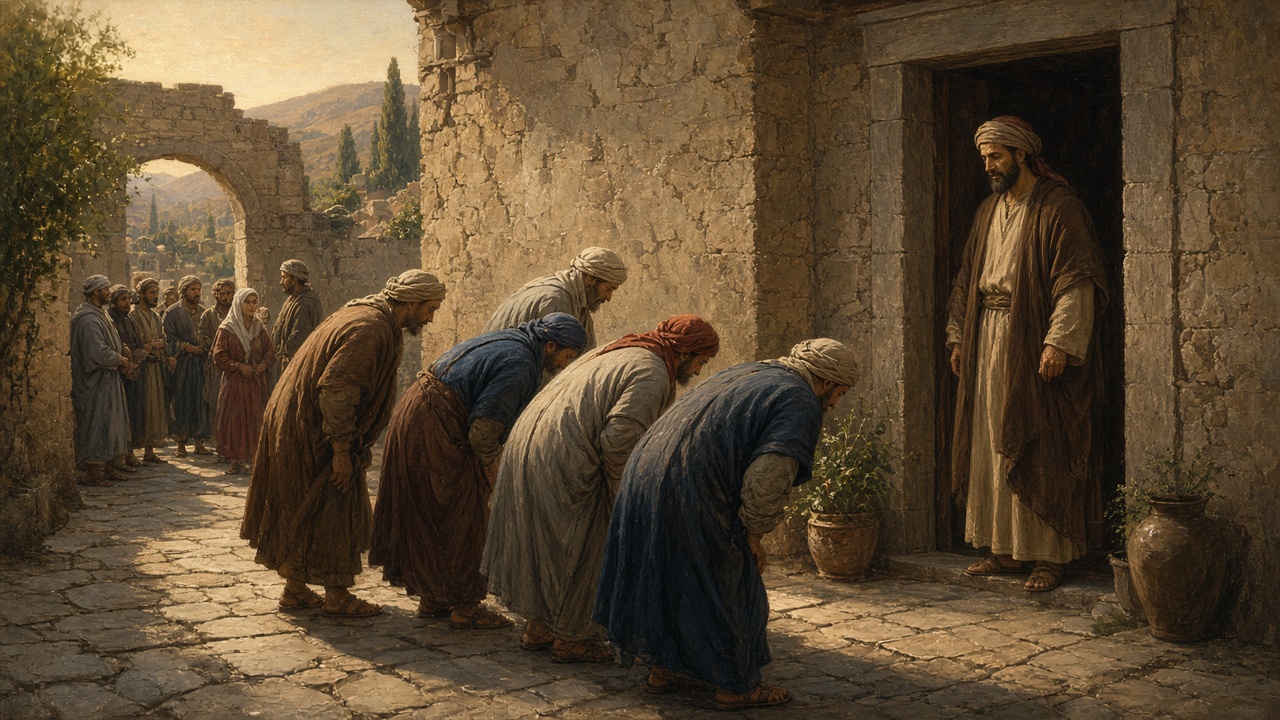
16Yix n-ix ta ʼo puʼab jun chic winak, xui-ri n-ca majaw taj we qui bij, “N-ta ʼo pakawi, rumal-i n-ta coʼono we xak manal caka ʼano,” mok quix cha. N-ca majaw taj qui bij ile. Cha cʼun chi cʼux chi ix rajchac i Dios, ix ʼo puʼab ire; rumal-i ca majawic chi qui ʼan i ʼutz. 17Chi cojo qui ʼij i winak chiwach: cʼax che i na i iwachalal; chi xija iwib chuwach i Dios; chi cojo u ʼij i ʼatol tzij chiwach.
Chaka chʼija i cʼax pacha xu ʼan i Jesucrísto
18Yix, chi ix mocom, chi ya iwib piquiʼab i patron; lic che i cojo n-ta coʼono we lic je cʼan, o we je ʼutz je chom. 19ʼUtz qui ʼano we qui chʼij niʼpa tak i cʼax ca yaʼ piwi tupu n-ta i mac. We queje ile qui ʼano man quiwaj u ʼanic i chom chuwach i Dios, i Dios ʼutz ʼuri crilo. 20Péro yix, we ʼo i mac i ʼanom, y qui ya iwib chu tojic rumal, ¿pa ʼutz wi ʼuri? Mi chʼob ʼuri we chom quix ril i Dios rumal ile, man i cʼax xi tijo, xa rumal i mac i ʼanom. Xui-ri, we qui tij i cʼax tupu n-ta mac i ʼanom, y we qui ya iwib chu chʼijic, chom ʼuri cril i Dios ile. 21Queje ile craj i Dios, rumal-i xix u siqʼuij ruʼ. Cha cʼun chi cʼux, i Crísto xu tij uyej tobal ke yoj. Queje ile u cʼutum can chake wach usucʼ i terejic chirij. 22Ire, n-tu mac u ʼanom, xak n-ta jun tʼoronic u ʼanom. 23Are xyoʼyax cumal i winak, ire n-xu tzalij tu wach chique. Are xqui ʼan cʼax che, ire n-ta jun tzij ocbal ʼil xu bij chique; xa xu cuba u cʼux che i Dios, man retaʼam chi u ʼatbal tzij i Dios lic sucʼulic. 24Lic are i Jesucrísto xrekaj i ka mac che u chʼacul are xu ya rib chi camsaxic chuwach i cruz. Queje ile xu chup i ka mac, ʼanbal re chake chi coj cam na chuwach i mac atzalal, xak coj cʼasi na che jun cʼaslemal ʼutz sucʼulic. I Jesucrísto xu chʼijo chi xsoctajic tobal ke yoj. 25Oʼonom lok, yix pacha ix chij ix sachnak, péro woʼor ix ʼo chic ruʼ i Crísto, chi aj chajal re i iwanima. Ire quix u chajij pacha jun aj yuʼul chij chi que u chajij u chij.
Did you know?
Living Stones and a Chosen People
- This chapter quotes Scripture about a chosen and precious cornerstone laid in Zion: the one who believes in him will never be put to shame. Zion was the south-eastern hill of Jerusalem, one of the heights on which the city was built, surrounded on every side except the north by deep valleys.Sources: the Bible text itself · Zion
- David took Zion from the Jebusites, built a citadel and a palace there, and the hill became known as the city of David. The letter uses that place-name when it quotes Scripture about a cornerstone laid in Zion, and it pictures the readers as living stones being built into a spiritual house and a holy priesthood.Sources: Zion · the Bible text itself
- The chapter urges submission, for the Lord’s sake, to every human institution—to the king as supreme authority and to governors sent to punish wrong and praise what is right. It tells servants to respect even unreasonable masters, and it holds up Christ’s suffering, without sin, deceit, threats, or retaliation, as the pattern for enduring unjust pain.Sources: the Bible text itself
Notes written with AI assistance from open sources (Theographic Bible Metadata, CC BY-SA 4.0; Easton’s Bible Dictionary, public domain) and reviewed before publishing.
Places in this chapter
- Zion · Today: Jerusalem · 31.777, 35.234 · verse 6
Only places identified with high confidence are shown (90% or more according to the scholarly sources compiled by OpenBible). Period map: DARE (Digital Atlas of the Roman Empire), CC BY 4.0; modern map: © OpenStreetMap contributors; places: OpenBible.info (CC BY 4.0).
Credits and license for this translation
I 'utz laj tzij re i dios
New Testament in Achi (I 'utz laj tzij re i dios)
copyright © 2009 Wycliffe Bible Translators, Inc.
Language: Achi
Dialect: Cubulco
Translation by: Wycliffe Bible Translators, Inc.
Achi, Cubulco
Achi' is a Mayan language very
closely related to K'iche' (Quiché in the older orthography). It is spoken by the
Achi people, primarily in the area of Baja Verapaz in Guatemala. There are two Achi'
dialects. Cubulco Achi' is spoken by approximately 48,000 people in the Cubulco area
west of Rabinal area. Rabinal Achi' is spoken by approximately 37,000 people in the
Rabinal area.
El Nuevo Testamento
en el idioma Achí de Cubulco de
Guatemala
Ediciones anteriores
Segunda edición
©2009, Wycliffe Bible
Translators
Primera edición
Publicado por
©1984, Sociedad Bíblica
Internacional
Copyright Information
© 2009, Wycliffe Inc. All rights reserved.
This translation text is made available to you under the terms of the Creative
Commons License: Attribution-Noncommercial-No Derivative Works. ( http://creativecommons.org/licenses/by-nc-nd/3.0/ ) In addition, you have
permission to port the text to different file formats, as long as you do not change
any of the text or punctuation of the Bible.
You may share, copy, distribute, transmit, and extract portions or quotations from
this work, provided that you include the above copyright information:
You must give Attribution to the work.
You do not sell this work for a profit.
You do not make any derivative works that change any of the actual words or
punctuation of the Scriptures.
Permissions beyond the scope of this license may be available if you contact us
with your request. If you want to revise a translation, use a translation in an
adaptation, or use a translation commercially, we will consider your request.
NT:segunda edición
The New Testament
in Achi
© 2009, Wycliffe Inc. All rights reserved.
This translation is made available to you under the terms of the
Creative Commons Attribution-Noncommercial-No Derivatives license 4.0.
You may share and redistribute this Bible translation or extracts from it in any format, provided that:
You include the above copyright and source information.
You do not sell this work for a profit.
You do not change any of the words or punctuation of the Scriptures.
Pictures included with Scriptures and other documents on this site are licensed just for use with those Scriptures and documents.
For other uses, please contact the respective copyright owners.
2013-01-05
Source: http://ebible.org/acr-acc/ · eBible.org