John 17
Uisneno In Kabin ma Prenat: Rais Manba'an Fe'u nok Reta' Ahun-hunut · Tap a verse to see its cross-references.
Usif Yesus anꞌonen neu In tuan ee kuun
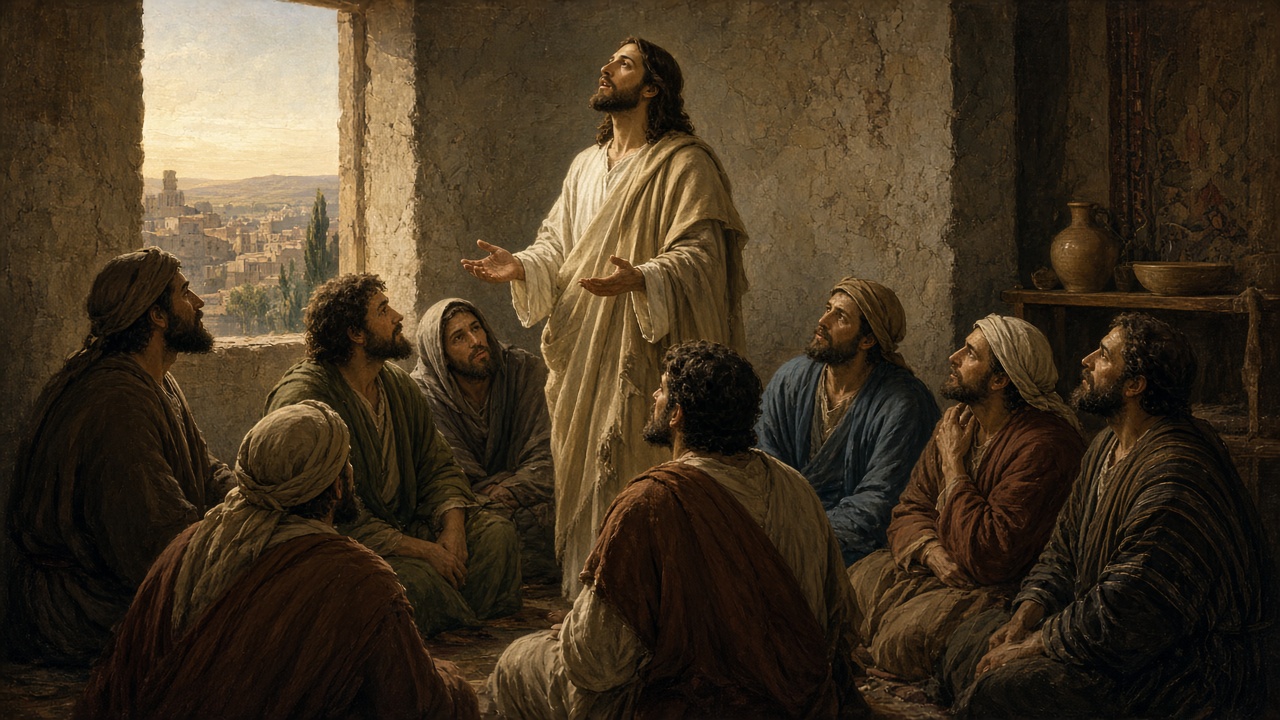
1Naiꞌ Yesus naꞌuab anrair on naan ate, In nkisu nꞌain neon goe tnanan, rarit anꞌonen, am nak:
“Aam Honiꞌ. Au oors ii antea goen, he Ho mait muꞌrat-ratan Kau. Au reꞌ ia, Ho Anah. Ho mfee mrair Kau hak he ꞌator mansian pah-pinan ia ok-okeꞌ. Ho mfee hak naan, maut he Au ꞌfee ꞌmonit reꞌ amneot ma amnonot reꞌ ka natfeek niit fa, neu areꞌ tuaf reꞌ Ho mnonaꞌ ma mfee sin anjarin Au ngguin. Onaim oras ia, Au ꞌtoit he Ho mait muꞌrat-ratan Kau, maut he Au bisa ururuꞌ ma ukriraꞌ Ho pinam ma kraham. 3In ranan reꞌ he tuaf napeni ꞌmonit reꞌ amneot ma amnonot reꞌ nabar-baar naan, on nai: tuaf ro he nahiin Au Amaꞌ, es reꞌ Uisneno reꞌ batuur. Ka nmuiꞌ fa es ntein. Sin ro he nahiin Kau msaꞌ, es reꞌ Yesus Kristus, reꞌ Ho mhaefan amrair Je, he neem neu pah-pinan ia. 4Au ururuꞌ ma ukriraꞌ ꞌrair Ho pinam ma kraham aꞌbi pah-pinan ia. Au unaob aꞌrair mepu reꞌ Ho mfee Kau goe. 5Unuꞌ te, oras Hit ka tmoeꞌ pah-pinan ia fa feꞌ, Au ubu-bua ꞌok Ko, tua. Oras naan, Au pinak ma krahak nahuum on reꞌ Ho pinam ma kraham. Oras ia, Au he ꞌfain ꞌeit ꞌeu Ko. Onaim Au ꞌtoit he Ho mait muꞌrat-ratan Kau, maut he Au pinak ma krahak anfain on reꞌ unuꞌ naan, tua.”
Usif Yesus anꞌonen anteek In atoup noinꞌ ein
6Naiꞌ Yesus antuut In onen am nak, “Aam Honiꞌ. Ho mfee mrair mansian pah-pinan ia he njarin Au ngguin. Au unoniꞌ ꞌrair sin, he sin nahiin Ko, tua. Sin njarin Ho ngguin na, rarit Ho mnonaꞌ sin he njarin Au ngguin amsaꞌ. Rarit sin nmoeꞌ natuin Ho Kabin ma Prenat. 7Oras ia sin nahinin nak, areꞌ rasi reꞌ Ho mnonaꞌ ma mfee Kau sin reꞌ naan, sin naꞌuun am naꞌbaꞌan naꞌkon Ko, tua. 8Fin Au unoniꞌ sin, Kabin ma Prenat ok-okeꞌ reꞌ Aam mutoon miit Kau sin. Sin ntoup Kabin ma Preent ein naan amsaꞌ. Sin nahinin imsaꞌ am nak, Au ꞌuum uꞌko Ko, tua. Ma sin npirsain nak, Ho es reꞌ amhaefan Kau ꞌuum aꞌbi pah-pinan ia.
9Au ꞌonen ma ꞌteek sin. Au ka ꞌonen ma ꞌteek ꞌfa mansian ii arsin abitan pah-pinan ia. Mes Au ꞌonen ma ꞌteek ꞌeu tuaf reꞌ Ho mnonaꞌ ma mfee mrair sin meu Kau, fin sin reꞌ naan Ho ngguin, tua. 10Fin areꞌ saaꞌ ii ok-okeꞌ reꞌ njarin Au ngguin, anjair Ho ngguin amsaꞌ. Ma areꞌ saaꞌ ii ok-okeꞌ reꞌ njarin Ho ngguin, anjarin Au ngguin amsaꞌ. Rarit Au ngguin naan, esan reꞌ nait naꞌrat-ratan Kau. 11Au ka utua uꞌbaar aꞌtein fa ꞌbi pah-pinan ia, natuin ka ꞌroo fa ntein ate, Au he ꞌfain ꞌeit ꞌeu Ko. Mes atoin ein reꞌ ia, ro he natua nabaran nbin pah-pinan ia. Aam, Ho kninuꞌ teeb. Onaim Au ꞌtoit he Ho mpafaꞌ ma mpanat sin, ampaek Ho kuasam reꞌ Ho mfee mrair je meu Kau. Au ꞌtoti msaꞌ he sin nmafutun njarin meseꞌ, on reꞌ Au ꞌmafutu ꞌjair meseꞌ ꞌok Ko, tua. 12Oras Au ꞌbi pah-pinan ia ꞌok sin, Au ꞌpijaar sin natuin sin njarin Ho ngguin een. Au ꞌpanat urek-rekoꞌ sin, maut he sin anmafutun piut nok Ko, tua. Ka tiit fa tuaf es, reꞌ namneuk. Suma naiꞌ Judas kuun es reꞌ napasib in tuan, natuin saaꞌ reꞌ Ho Suur Akninuꞌ ntui nain je naꞌko unuꞌ.
13Oras ia, Au he ꞌfain ꞌeit ꞌeu Ko, tua. Au utoon rasin ia oras Au feꞌe ꞌbi pah-pinan ia. Nok ranan naan, Au ngguin sin neek ein bisa nmarinan piut, on reꞌ Au neek ii nmariin. 14Au utoon aꞌrair Ho Kabin ma Preent ein ꞌeu sin. Atoniꞌ bian naꞌkon pah-pinan ia nsaken Au ngguin, natuin Au ngguin ka nmonin fa humaꞌ meseꞌ on reꞌ sin. Au on naan amsaꞌ, fin Au ka ꞌmoin fa on reꞌ biak ein anbin pah-pinan ia. 15Karu Au ꞌonen, Au ka ꞌtoit fa he Ho mfaki mporin sin naꞌkon pah-pinan ia. Kaah fa, tua! Mes Au ꞌtoit he Ho mpafaꞌ ma mpanat sin, he sin naꞌroon naꞌkon maufinu. 16Sin ka humaꞌ meseꞌ fa on reꞌ biak ein reꞌ naꞌkon pah-pinan ia, on reꞌ Au msaꞌ ka humaꞌ meseꞌ fa ꞌok biak ein reꞌ naꞌkon pah-pinan ia.
17Ampaek rasi reꞌ amneot ma amnonot he mmoeꞌ sin neek ein kniunꞌ ein. Fin Ho Kabin ma Prenat, ro batuur. 18Ho es reꞌ amhaefan Kau ꞌuum aꞌbi pah-pinan ia. Rarit Au ꞌhaefan sin on naan amsaꞌ, maut he sin nmonin narisin nbin pah-pinan ia in aꞌtnaank ein. 19Au ꞌpanat Au tuak ii he kninuꞌ piut ꞌeu Ko, tua. On naan amsaꞌ, Au ngguin anpanat sin tuak ein amsaꞌ, he kniunꞌ ein piut neu Ko, tua. Fin Ho Kabin ma Prenat reꞌ batuur, es reꞌ anmoeꞌ sin he nnonaꞌ ma nfee sin tuak ein aꞌteme-ꞌteme neu Ko, tua.”
Usif Yesus anꞌonen ma nteek atoin apirsait ein arsin
20Naiꞌ Yesus antuut In onen am nak, “Aam Honiꞌ. Au ꞌonen ma ꞌteek ka ꞌeu fa sin reꞌ suma et oras ia goah. Mes Au ꞌonen ma ꞌteek amsaꞌ ꞌeu tuaf reꞌ of anpirsai Kau, natuin tuaf ein ia sin uabk ein.
21Au ꞌtoit he sin arsin bisa nmafutun njarin meseꞌ, on reꞌ Hit tmafutu tjair meseꞌ. Au ꞌroim he sin nmafutun njarin meseꞌ nok Kit, maut he biak ein naꞌkon pah-pinan ia bisa npirsain nak, Ho kuum es reꞌ amhaefan Kau. 22Ho mururuꞌ ma mukriraꞌ mrair Au pinak ma krahak meu mansian ein. Rarit Au ꞌaikas uꞌrat-ratan aꞌrair sin, on reꞌ Au. Nok ranan naan, sin nmafutun njarin meseꞌ, on reꞌ Hit tmafutu tjair meseꞌ msaꞌ. 23Au ꞌmafuut ꞌok sin. Ho mmafuut mok Kau msaꞌ. Sin ro he nmafutun njarin meseꞌ on reꞌ naan, tar antea sin nmonin nekaf meseꞌ batuur. Fin karu sin nmonin nekaf meseꞌ on reꞌ naan, biak ein naꞌkon pah-pinan ia nahinin nak, Ho mneek sin, on reꞌ Ho mneek Kau, tua. Nok ranan naan, sin nahinin amsaꞌ nak, Ho es reꞌ amhaefan Kau, tua.
24Aam Honiꞌ. Au ꞌroim he mansian ii arsin reꞌ Ho mnonaꞌ ma mfee Kau sin reꞌ naan, nabu-buan nok Kau. Fin Au ꞌroim he sin bisa nkius niit nak, Ho maikas muꞌrat-ratan Kau. Fin Ho mneek main Kau, oras Hit ka tmoeꞌ pah-pinan ia fa feꞌ.
25Aam Honiꞌ. Ho neek amneot am amnonot Ko, tua. Mes mansian abitan pah-pinan ia ka nahiin Ko fa, tua. Ma Au ngguin nahinin amsaꞌ nak, Ho es reꞌ amhaefan Kau ꞌuum aꞌbi pah-pinan ia. 26Au utoon aꞌrair sin ꞌak, Ho reꞌ naan, Sekau. Ma Au of utoon ꞌeu sin piut on reꞌ naan, natuin Au ꞌroim he sin bisa nnaben batuur Ho manekam. Fin manekat reꞌ sin nnaben naan ee ji, humaꞌ meseꞌ on reꞌ Ho manekam reꞌ Ho mfee je meu Kau. Maut he Au ꞌmafuut piut ꞌok sin, tua.”
Did you know?
John 17: the hour has come
- The prayer opens when Jesus, having spoken these things, lifts his eyes to heaven and says that the hour has come. It is associated with the Upper Room Discourse, listed as lasting one day, and with Holy Week, listed as lasting eight days.Sources: the Bible text itself · Upper Room Discourse · Holy Week
- Here eternal life is knowing the only true God and Jesus Christ, whom the Father sent. Jesus also speaks of the glory he had with the Father before the world existed, and of the Father's love for him before the foundation of the world.Sources: the Bible text itself
- He prays for those the Father gave him out of the world, who have kept the word, and also for people who will believe through their message, asking that they may be one. He does not ask that they be taken out of the world, but that they be kept from the evil one and sanctified by the truth, which he identifies as the Father's word.Sources: the Bible text itself
Notes written with AI assistance from open sources (Theographic Bible Metadata, CC BY-SA 4.0; Easton’s Bible Dictionary, public domain) and reviewed before publishing.
Credits and license for this translation
Uisneno In Kabin ma Prenat: Rais Manba'an Fe'u nok Reta' Ahun-hunut
Genesis and the New Testament in the Amarasi language of Indonesia
Kejadian dan Perjanjian Baru dalam bahasa Amarasi dari
copyright © 1999-2014 Unit Bahasa dan Budaya, Kupang NTT, Indonesia
Language: Amarasi
Translation by: Wycliffe Bible Translators
This translation is made available to you under the terms of the
Creative Commons Attribution-No Derivatives license 4.0.
You may share and redistribute this Bible translation or extracts from it in any format, provided that:
You include the above copyright and source information.
You do not make any derivative works that change any of the actual words or punctuation of the Scriptures.
Pictures included with Scriptures and other documents on this site are licensed just for use with those Scriptures and documents.
For other uses, please contact the respective copyright owners.
2022-03-11
Source: http://ebible.org/aaz/ · eBible.org