Genesis 25
Uisneno In Kabin ma Prenat: Rais Manba'an Fe'u nok Reta' Ahun-hunut · Tap a verse to see its cross-references.
Naiꞌ Abraham ansao ntein
1Naiꞌ Abraham ansao ntein bifee jes, kaan ee bi Ketura. 2Bi Ketura nahoniꞌ riꞌaan ein reꞌ ia: naiꞌ Simran, naiꞌ Yoksan, naiꞌ Medan, naiꞌ Midian, naiꞌ Isbak, ma naiꞌ Sua. 3Naiꞌ Yoksan in aanh ein, esan reꞌ naiꞌ Seba ma naiꞌ Dedan. Naiꞌ Dedan in suufk ein, esan reꞌ: atoin Asuras, atoin Retus, ma atoin Reumas. 4Naiꞌ Midian in aanh ein esan reꞌ: naiꞌ Efa, naiꞌ Efer, naiꞌ Henok, naiꞌ Abida ma naiꞌ Erdaa. Sin ok-okeꞌ reꞌ ia, ain Ketura in sufan.
5Oras naiꞌ Abraham anmoin feꞌ, in nbait nain neu ain Hagar ma ain Ketura sin aanh ein, es-es ate nok in aꞌmuꞌin. Rarit in nreun sin, he nnaon natuan nbin pah Kanaꞌan ntoom pasaꞌ neon-saet, he sin naꞌroon naꞌko in anah naiꞌ Isak. Mes in baer pusaak ein ok-okeꞌ, in nnonaꞌ sin neu naiꞌ Isak.
Naiꞌ Abraham nasaeb on
7Naiꞌ Abraham anmaet oras in nmoin naan toon nautn es boꞌ hitu mniim (175). 9Rarit in anah naiꞌ Isak ma naiꞌ Ismaꞌel ansuub ee nbi nuat Makpera, reꞌ npaumaak kuan Mamre. Unuꞌ te, naiꞌ Abraham ansoos poꞌon naan naꞌko atoin Hetes es, reꞌ in kaan ee naiꞌ Efron, naiꞌ Sohar in anah. Sin nsuub nahunun ain Saraꞌ nbi nuat naan. 11Naiꞌ Abraham anmate nrair. Uisneno nfee tetus-athoen neu naiꞌ Isak ma in nmoni nbi tetus ao-minaꞌ ma mamut. Oras naan, naiꞌ Isak natua npaumaak oe haniꞌ Beer Lahai Roi.
Naiꞌ Ismaꞌel in sufan
12Naiꞌ Ismaꞌel in reetn ii on nai. In reꞌ naan, naiꞌ Abraham nok in fee tnanaꞌ ain Hagar sin anah. Ain Hagar naan, ain Saraꞌ in ate naꞌko pah Masir. 13Naiꞌ Ismaꞌel in aan moen ne tuaf boꞌes am nua. In aanh ein esan reꞌ ia, nmaktun-tuin ein naꞌko moen unu ntea aheit susu, esan reꞌ: naiꞌ Nebayot, naiꞌ Kedar, naiꞌ Atbeel, naiꞌ Mibsam, naiꞌ Misma, naiꞌ Duma, naiꞌ Masa, naiꞌ Hadat, naiꞌ Tema, naiꞌ Yetur, naiꞌ Nafis, ma naiꞌ Ketma. Riꞌaan monen reꞌ ia, sin njarin aam uuf neu too pah boꞌes am nua, es-es ate, nmuiꞌ kuun in pah. Sin nakanab sin pah, es-es ate natuin sin beꞌi-naꞌi sin kaank ein.
17Naiꞌ Ismaꞌel anmaet oras in nmoin naan toon nautn es boꞌ tenu mhiut (137). 18Mes in suufk ein naan, anmamusun es nok es. Rarit sin npeꞌen ma natuan nbaits ok nmurai naꞌko Habira tar antea Sur, reꞌ anmanaak nok pah Masir, nkono ntean pah Asur.
Retaꞌ naꞌko naiꞌ Esau ma naiꞌ Yakop
19Naiꞌ Abraham in anah naiꞌ Isak in reetn ii, es reꞌ ia. 20Oras naiꞌ Isak ansao bi Ripka, naiꞌ Isak nmoin naan toon boꞌ haa. Bi Ripka in aamf ee, es reꞌ naiꞌ Betuel. In naof ee, es reꞌ naiꞌ Laban. Sin reꞌ naan atoin Aramas, naꞌkon pah Padan Aram.
21Bi Ripka ka nahoniꞌ fa. Etun naiꞌ Isak anꞌonen ma ntoit UISNENO he nfei bi Ripka in apun. UISNENO nneen in onen naan, es naꞌ bi Ripka naꞌapuꞌ. 22Bi Ripka nnaben ate, in naꞌapuꞌ riꞌaan koen. Riꞌaan ein naan anmasaapn ein piut nbin sin ainf ee apun. Onaim bi Ripka natenab am nak, “Nansaaꞌ am es riꞌaan nuaꞌ ein ia, on reꞌ ia?” Rarit in nataan neu UISNENO.
23Ma UISNENO nataah ee mnak,
“Anbi ho aup maan, anmuiꞌ naan riꞌanaꞌ nua reꞌ of he njarin uuf nua reꞌ sin of anmamusun piut-piut.
Aan muin aan of naꞌbeꞌi nneis naꞌko aan uun aan.
Ma taatf aan of anjair ameput neu in orif.”
24Oras in neon ne ntea te, bi Ripka nahoniꞌ riꞌaan koen. Monen okeꞌ. 25Ahuunt ee meꞌ-meꞌe, ma in aon ee maꞌfunuꞌ. Es naꞌ sin nakaanb ee naiꞌ Esau (reꞌ he noi on reꞌ kata es, reꞌ in aꞌmoufn ii ‘maꞌfunuꞌ’).
26Rarit naꞌ in orif. Mes oras in npoi, in nnaaꞌ in taatf ee in haen tikan. Es naꞌ sin nakaanb ee naiꞌ Yakop (reꞌ he noi on reꞌ kata es, reꞌ in aꞌmoufn ii ‘haen tikan’). Oras nahoniꞌ sin ite, naiꞌ Isak nmoin naan toon boꞌ nee jen (60).
Naiꞌ Esau nnonaꞌ in hak aan moen unu
27Oras riꞌaan koen naan naꞌnaen ate, naiꞌ Esau njair asekot. In nroim he natua nbi nasi. Mes naiꞌ Yakop atoin ataꞌas. In nroim he nbi-bi haa umi. 28Naiꞌ Isak biasa nroim he neuk siis fui. Es naan ate, in nneek nanes-nesib naiꞌ Esau. Mes bi Ripka nneek nanesib naiꞌ Yakop.
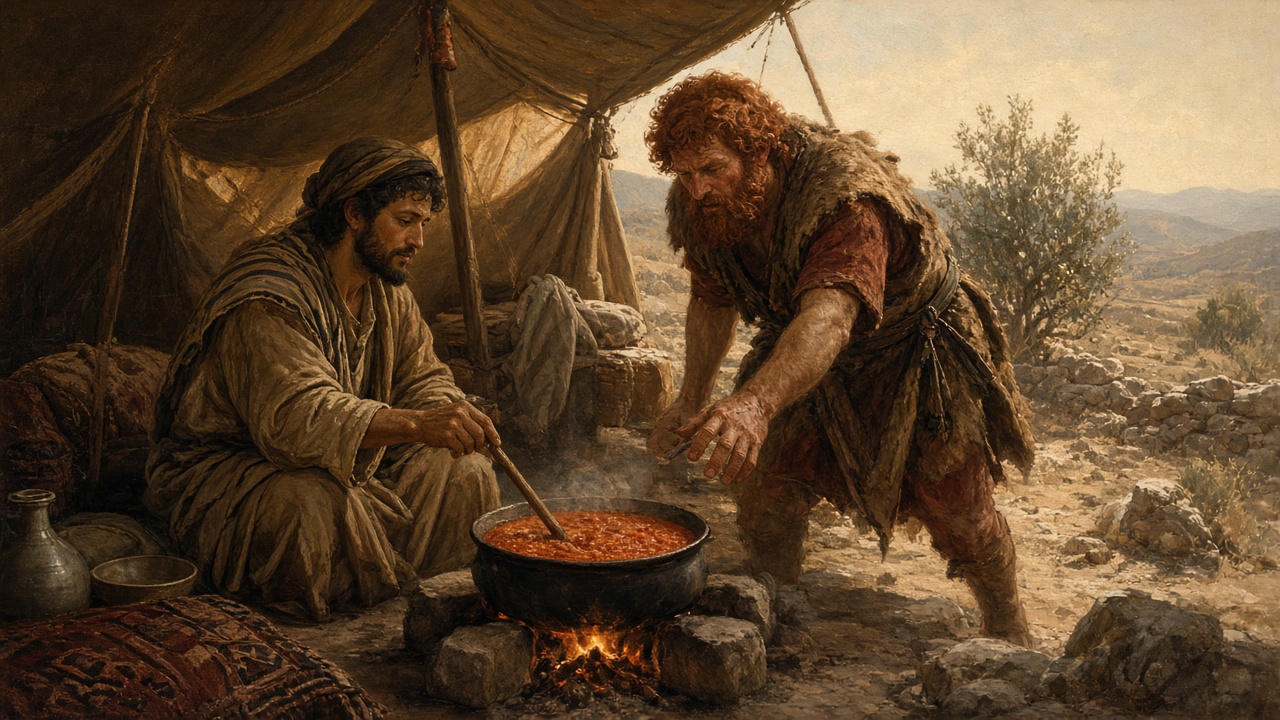
29Neot es, oras naiꞌ Yakop nahaan oef aknaaꞌ, naiꞌ Esau nfain neem naꞌko sekot. In nhae nmaet ma namnaah anmate msaꞌ. 30Onaim in naꞌuab neu naiꞌ Yakop am nak, “Ako! Ho msoon maan kau oef meꞌ-meꞌe reꞌ ho muhaan ee naan. Maski kreꞌ-reꞌo, he au ꞌhaꞌtain! Au umnaah ka ubeiꞌ fa heen.” (Etun sin nteek ee te Edom, reꞌ he noi on reꞌ kata es, reꞌ in aꞌmoufn ii, ‘meꞌe’.)
31Rarit naiꞌ Yakop nataah am nak, “Reko, taat honiꞌ. Mes karu ho mfee kau ho hak aan moen unu naan feꞌ!”
32Onaim naiꞌ Esau nataah am nak, “Ahh. Ma on saaꞌ naꞌ es reꞌ hak aan moen uun gui! Ho mpaar. Au umnaah ka ubeiꞌ fa heen. Ho msoon maan kau oef rabah he meik je neem. Au he ꞌuah een.”
33Mes naiꞌ Yakop naꞌuab anteniꞌ mnak, “Airoo, taat honiꞌ. Ampao kreꞌ-kreꞌo. Ho msuup feꞌ mak, ho mnonaꞌ kau hak naan.” Onaim naiꞌ Esau nsuup on reꞌ naan. 34Rarit naiꞌ Yakop ansono nfeen ee oef aknaaꞌ naan ma nfee ne nok utunuꞌ. Naiꞌ Esau nbukae nrari te, in nfeen annao kuun.
Nok ranan naan, naiꞌ Esau nnonaꞌ nain in hak aan moen unu.
Did you know?
Abraham’s heirs and the twin brothers
- Keturah, whose name Easton's Bible Dictionary (1897) explains as “incense,” is introduced here as another wife of Abraham. That dictionary says he probably married her after Sarah’s death, though her nationality is unknown, and notes that 1 Chronicles calls her a concubine. She bore him six sons, including Jokshan and Midian, the father of the Midianites; while Abraham was still alive he gave gifts to the sons of his concubines and sent them away from Isaac to the land of the east.Sources: Keturah · Midian · the Bible text itself
- Isaac and Ishmael together buried Abraham in the cave of Machpelah near Mamre, in the field Abraham had bought from Ephron the Hittite, where Sarah already lay. Easton's Bible Dictionary (1897) explains Machpelah as “portion” or “double cave,” set on a hillside east of Hebron and facing Mamre, a place called the oaks—or, in a margin, the terebinths—of Mamre.Sources: Machpelah · Mamre · the Bible text itself
- Esau, Rebekah’s firstborn twin, was born red and covered with hair like a fur coat. Easton's Bible Dictionary (1897) links the further name Edom, “red,” to the red lentil stew for which he sold his birthright, and explains Jacob as “one who follows on another’s heels” or “supplanter,” matching the report that Jacob was born grasping Esau’s heel. Esau grew up as a skillful hunter and a man of the field, while Jacob was a quiet man who stayed at home.Sources: Esau (Edom) · Jacob (Israel) · the Bible text itself
Notes written with AI assistance from open sources (Theographic Bible Metadata, CC BY-SA 4.0; Easton’s Bible Dictionary, public domain) and reviewed before publishing.
Places in this chapter
- East · Today: region around Amman · 31.955, 35.934 · verse 6
- Machpelah · Today: Cave of the Patriarchs · 31.525, 35.111 · verse 9
- Negeb · 31.245, 34.841 · verse 11
- Assyria · 36.359, 43.153 · verse 18
- Egypt · 30.129, 31.308 · verse 18
Only places identified with high confidence are shown (90% or more according to the scholarly sources compiled by OpenBible). Period map: DARE (Digital Atlas of the Roman Empire), CC BY 4.0; modern map: © OpenStreetMap contributors; places: OpenBible.info (CC BY 4.0).
Credits and license for this translation
Uisneno In Kabin ma Prenat: Rais Manba'an Fe'u nok Reta' Ahun-hunut
Genesis and the New Testament in the Amarasi language of Indonesia
Kejadian dan Perjanjian Baru dalam bahasa Amarasi dari
copyright © 1999-2014 Unit Bahasa dan Budaya, Kupang NTT, Indonesia
Language: Amarasi
Translation by: Wycliffe Bible Translators
This translation is made available to you under the terms of the
Creative Commons Attribution-No Derivatives license 4.0.
You may share and redistribute this Bible translation or extracts from it in any format, provided that:
You include the above copyright and source information.
You do not make any derivative works that change any of the actual words or punctuation of the Scriptures.
Pictures included with Scriptures and other documents on this site are licensed just for use with those Scriptures and documents.
For other uses, please contact the respective copyright owners.
2022-03-11
Source: http://ebible.org/aaz/ · eBible.org