Genesis 2
Uisneno In Kabin ma Prenat: Rais Manba'an Fe'u nok Reta' Ahun-hunut · Tap a verse to see its cross-references.
1Nok ranan naan, Uisneno nmoeꞌ naan neno tunan ma pah-pinan nok in aafn ii ok-okeꞌ.
2Anmoeꞌ narair sin arsin, nokaꞌ on naan ate, neon hiut ii ntea. Onaim In nasnaas naꞌko In meupn ein naan. 3Es naan ate, In nbetis neon hituꞌ naan naꞌko neon biak ein ii, he njair neno snasat, natuin In narair In mepun naan, ma nbi neno naan, In nasnaas. 4Retaꞌ reꞌ natoon nak Uisneno nmoeꞌ neno tunan ma pah-pinan, on reꞌ naan, tua.
Uisneno nmoeꞌ atoniꞌ ma bifee
4Oras UISNENO feꞌ nmurai nmoeꞌ neno tunan ma pah-pinan naan ate, 5ka nmuiꞌ hau saaꞌ-saaꞌ fa feꞌ, natuin In ka nasanut uran fa feꞌ. Oras naan, suma nmuꞌi haa nipuꞌ reꞌ nsae naꞌko afu, ma napeet pah-pinan. Ma ka nmuiꞌ fa feꞌ mansian reꞌ nareen. 7Rarit UISNENO nnau afu, ma nmoeꞌ je njair mansian. Rarit In nfuu nataam snasaf npeoꞌ in panan konan. Onaim mansian naan anmoin oras naan.
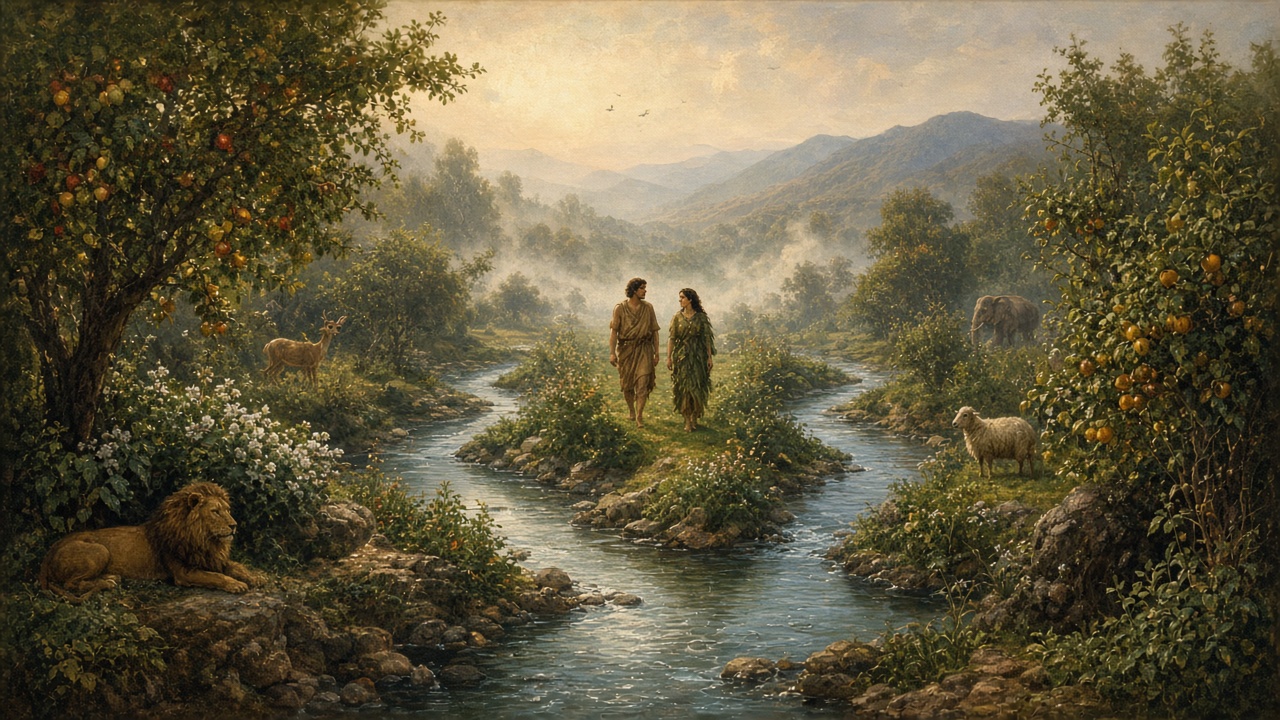
8Rarit UISNENO nroe naan pooꞌn es anbi bare Eden, et pasaꞌ neon-saet. Onaim In natokob mansian naan anbi bare naan. 9Anbi poꞌon naan In namonib areꞌ kanan roet, reꞌ tkisu te namasan, ma taah sin ate miin-oni. In namonib amsaꞌ hau ꞌuꞌu nua nbi pooꞌn ee tnanan. Karu mansian ii naah hau fuaꞌ naꞌko uuꞌ goes in fuan, in of anmoin piut. Ma karu mansian ii naah naꞌko uuꞌ goes anteniꞌ in fuan, in bisa nahiin rais reko ma rais reꞌuf.
10Anbi naan, anmuiꞌ naan noe jes, nasai npoi naꞌko poꞌon naan. Noe naan aꞌsaif haa. 11Aꞌsaif ahuunt ee, in kaan ee Pison. Aꞌsaif ia nasai nfuun naan pah Hawila. Anbi bare ia, nmuꞌi mnatuꞌ mfa-faun. 12Anbi bare reꞌ ia, nmuiꞌ mnaut afaꞌ, nmuiꞌ hau reꞌ in oen ee foo meniꞌ, ma nmuiꞌ faut arimat. 13Aꞌsaif es anteniꞌ, in kaan ee Gihon. Aꞌsaif ia, ansai nfuun naan pah Kus. 14Aꞌsaif es anteniꞌ, in kaan ee Tigris. Aꞌsaif reꞌ ia njair nakat nbi pah Asur ntoom maans ee ꞌsaen. Ma in aꞌsain amuint ee, kaan ee, Efrat.
15UISNENO nreek mansian naan natua nbi Eden, he npairoir poꞌon naan rek-reko. 16Onaim In naprenat mansian naan am nak, “Au ꞌkonan ko he muah hau fuaꞌ saaꞌ-saaꞌ ahaa, naꞌko areꞌ kanan roet anbi poꞌon ia. 17Mes anmuiꞌ naan hau uuꞌ goes, reꞌ Au ꞌtaar ko maꞌtaniꞌ, he kais muah in fuan. Hau naan es reꞌ hau roet reꞌ, karu mansian ii naah in fuan, in bisa nahiin rais reko ma rais reꞌuf. Mes karu ho muahn ee te, ho ro he mmaet.”
18Rarit UISNENO naꞌuab anteniꞌ mnak, “Ka reko fa karu mansian ia nmoni nmes-mees. Onaim Au he ꞌmoꞌe ꞌfee ne atuurn am abaabt es reꞌ natai nok ne.”
19Oras naan UISNENO nnau afu, ma nmoeꞌ muꞌit ma koro humaꞌ-humaꞌ. Rarit In nnao naat sin neu mansian naan, maut he in nakanab sin. Rarit mansian naan nakanab muꞌit ma koron naan, es-es ate nok kuun in kanan. Mes neu iin, ka nmuiꞌ fa atuurn am abaabt es, reꞌ natai nok ne.
21Rarit UISNENO narour natupaꞌ mansian naan. Oras in ntuup anfiin ite, Uisneno nait naan in nui bnapaꞌ tuuk es, rarit In ntoeb narekoꞌ papaꞌ naan. 22Ma In nmoeꞌ bifee naꞌko nuif naan. Rarit In nnonaꞌ bifee naan neu atoniꞌ naan. 23Oras atoniꞌ ia niit bifee naan ate, in nak,
“Haaa! Esai feꞌ! Ia ro natai nok kau!
In nuif ein humaꞌ meseꞌ nok au nu.
Ma in sisin humaꞌ meseꞌ nok au sisik.
Natuin in njair naꞌko atoniꞌ, es naꞌ au ukaanb ee, ‘bifee’.”
24Natuin rasi naan, es naꞌ atoin es ro he annao nasaitan in ainaf-amaf,
he nmoin nabua nekaf meseꞌ ma ansaof meseꞌ nok in fee,
henatiꞌ sin nua sin njarin meseꞌ.
25Oras naan sin aaf ein, mes sin ka nmuꞌin fa rais mae kreꞌo msaꞌ.
Did you know?
Adam, Eden, and the Four Rivers
- Adam, meaning “red,” is a Babylonian word and the ordinary name for a human being, with the same sense in Hebrew and in Assyrian. It was given to the first man. He was formed from the dust of the ground—hence the name—and God breathed into his nostrils the breath of life.Sources: Adam · the Bible text itself
- A river flowed out of Eden and divided into four headwaters: the Pishon, the Gihon, the Hiddekel, and the Euphrates. Some identify the Pishon with the Phasis or the Halys, others with the Indus, the Ganges, or still other rivers; the Gihon has been identified with the Nile, and others regard it as the Oxus, the Araxes, or the Ganges. The Hiddekel is the Tigris, called by the Accadians the river of Idikla; Gesenius understood the name as “the rapid Tigris.”Sources: the Bible text itself · Pison · Gihon · Hiddekel
- The site of Eden, the garden in which the first parents lived, has been discussed more than almost any other geographical question. It has been placed in Armenia, in the region west of the Caspian Sea, in Media, near Damascus, in Palestine, in southern Arabia, and in Babylonia. Easton's Bible Dictionary (1897) seeks it along the Tigris and the Euphrates of western Asia, in the land of Shinar, or Babylonia.Sources: Eden
Notes written with AI assistance from open sources (Theographic Bible Metadata, CC BY-SA 4.0; Easton’s Bible Dictionary, public domain) and reviewed before publishing.
Places in this chapter
- Assyria · 36.359, 43.153 · verse 14
- Euphrates · Today: Euphrates River · 31.004, 47.442 · verse 14
- Tigris · Today: Tigris River · 31.004, 47.442 · verse 14
Only places identified with high confidence are shown (90% or more according to the scholarly sources compiled by OpenBible). Period map: DARE (Digital Atlas of the Roman Empire), CC BY 4.0; modern map: © OpenStreetMap contributors; places: OpenBible.info (CC BY 4.0).
Credits and license for this translation
Uisneno In Kabin ma Prenat: Rais Manba'an Fe'u nok Reta' Ahun-hunut
Genesis and the New Testament in the Amarasi language of Indonesia
Kejadian dan Perjanjian Baru dalam bahasa Amarasi dari
copyright © 1999-2014 Unit Bahasa dan Budaya, Kupang NTT, Indonesia
Language: Amarasi
Translation by: Wycliffe Bible Translators
This translation is made available to you under the terms of the
Creative Commons Attribution-No Derivatives license 4.0.
You may share and redistribute this Bible translation or extracts from it in any format, provided that:
You include the above copyright and source information.
You do not make any derivative works that change any of the actual words or punctuation of the Scriptures.
Pictures included with Scriptures and other documents on this site are licensed just for use with those Scriptures and documents.
For other uses, please contact the respective copyright owners.
2022-03-11
Source: http://ebible.org/aaz/ · eBible.org