2 Corinthians 10
Uisneno In Kabin ma Prenat: Rais Manba'an Fe'u nok Reta' Ahun-hunut · Tap a verse to see its cross-references.
Naiꞌ Paulus namneob in tuan anmatoom nok in mepu neu Kristus
1Au naiꞌ Paulus kau, tua. Au es reꞌ aꞌtui ꞌbi ia. Of anmuiꞌ tuaf naꞌko ki reꞌ mitenab on nai: karu au ubua ꞌok ki, au umaeb ok he uꞌuab maat-maat. Mes karu au uꞌroo uꞌko ki, au ubrain he uꞌuab ka uꞌaib fa, tua. On naan, aa oo? Te kaah, au ꞌtoit he hi mneen ma mitniin kau, natuin Kristus In nekan arekot neu ki, ma In neekn ee maꞌnuraꞌ neu ki. 2Mes anmuiꞌ tuaf bian naꞌko ki reꞌ ka mroim fa he mitniin kau. Sin naꞌuab ein am nak, hai ꞌmoeꞌm ein on reꞌ tua sonaꞌ naꞌko pah-pinan ia sin aꞌmoeꞌk ein amsaꞌ. Onaim karu au ꞌeit ꞌeu bare naan, of oniꞌ au ro he uꞌuab ꞌeu sin ma ka uꞌaib sin fa. Etun au utoon ꞌain ki ok-okeꞌ, maut he au ꞌeit iꞌbi naan ate, au kais uꞌuab maꞌtaniꞌ ꞌeu sin. 3Maski hit mansian biasa goah, mes karu hit tmatoe tok tuaf bian, hit kais athaek maꞌtaniꞌ he tmatoe on reꞌ atoniꞌ abit pah-pinan ia reꞌ ka nahiin fa Uisneno. 4Fin karu hit tmatoe tok tuaf bian, kais amnikan mak, hit suniꞌ-kenat ka humaꞌ meseꞌ fa tok abitan pah-pinan ia. Rarit karu hit tmatoe tok aꞌnaak fatus reꞌ anmatoe nok kit, hit tmuiꞌ Uisneno In kuasa reꞌ bisa nareuꞌ niis atoniꞌ in aꞌsukin. 5Uisneno In kuasa bisa nareuꞌ aꞌsukif reꞌ nraban Uisneno, ma nmoeꞌ atoniꞌ ka nroim fa he nahiin Je. In kuasa bisa naruruꞌ ma nakriraꞌ ranan amsaꞌ, he nsenuꞌ ma nsekaꞌ hit tenab amnaaꞌ nok tenab feꞌu. Nok ranan naan, hit tanoniꞌ he tatenab tatuin Kristus In nonin. 6Tuaf amfaun naꞌko ki nmurai nneen ma natninan neun Kristus, ma nmoeꞌ natuin In romin aꞌteme-ꞌteme. Mes anmuiꞌ tuaf bian naꞌko ki reꞌ ka nromin fa he nneen ma natniin Ee. Onaim hai mibarab amrair he mhukun sin, reꞌ ka nromin fa he nneen ma natniin Ee.
7Hi mroim he mkius kiim saaꞌ reꞌ mamnitaꞌ mbi ꞌpohon. Mes hi ro he mkius atoniꞌ in nekan. Onaim karu nmuiꞌ tuaf reꞌ naan in tuan ee njair Kristus In haef, mimnau mirek-rekoꞌ. Fin hai Kristus In haef ein, on reꞌ in imsaꞌ. 8Of oniꞌ hi mitenab mak, au ufeef aꞌneis-neis anmatoom nok kuasa reꞌ hit Usiꞌ nfee je neu kai. On reꞌ naan, aiꞌ? Kaah fa, tua! Fin kuasa naan et naa, he nfee ki ꞌbeꞌif, ma ka nareuꞌ ki fa. Onaim au ka ꞌkonan fa tuaf he namaeb kau natuin sin nareuꞌ au mepu. 9Au ka ꞌmuiꞌ fa sarit he akaꞌtau ki ꞌeik au suurt ein. 10Mes atoin ein naan naꞌuab ein am nak, “Kais amfairoir ma mtoe mituin naiꞌ Paulus. Fin maski in suurt ee maꞌtaniꞌ, mes karu in nmees neem ate, in aꞌoret ma in uab ee ka nmuiꞌ fa kuasa.” 11Maut he tuaf reꞌ napoi on naan natenab rasi ia: saaꞌ reꞌ hai mtui mbi surat miꞌko bare ꞌroo, humaꞌ meseꞌ on reꞌ hai iim ma miꞌuab ambi hi sonam ma hi tnanam.
12Tuaf ein reꞌ naan amsaꞌ, anromin he naikas sin tuak ein kuuk am nak, sin reꞌ naan, Kristus In haef ein reꞌ maꞌtain ein. Hai ka mibrain fa he mitaibaꞌ hai tuam ein mok sin. Mihiin main, joo? Fin hai ka neu fa he mmaꞌtani mneis on reꞌ sin, tua! Tuaf humaf on reꞌ naan, suma nam-nami haa tuaf on reꞌ sin jah. Rarit sin matuurn ein es nok es, natuin sin humaꞌ meseꞌ. Amoont ein! 13Te kaah, hai ka mifeef kiim fa karu ka tiit fa ꞌsukif. Hai miꞌuab on ahaa reꞌ naan, anmatoom nok mepu reꞌ Uisneno nfee je neu kai. Saaꞌ reꞌ hai mmoeꞌ je meu ki reꞌ naan, mituin saaꞌ reꞌ Uisneno nreun kai. Fin hai ka mmeup fa meup sonaꞌ. 14Amneon ii, hai ka miꞌuab amneis-neis fa oras hai mifeef anmatoom nok ki. Fin hai es reꞌ iim he mitoon meu ki anmatoom nok Kristus In Rais Reko. Hi mtoup hai uab ein amsaꞌ. Karu Uisneno ka nreek haefan niit kai fa, mes hai mifeef anmatoom nok ki, naan es reꞌ ka batuur fa. 15Karu tuaf bian es anmepun, hai ka mifeef fa mmak, naan natuin hai es ammepu. Fin reꞌ pentiing neu kai, es reꞌ hi rais pirsait aan naꞌkiiꞌ antein. Nok ranan naan, hai suus-haet reꞌ hai mmeup meu ki miꞌko unuꞌ naan, naꞌbaab on piut. 16Rarit hai bisa mnao mkoon ma mitoon anmatoom nok Kristus In Rais Reko meu bare-bare reꞌ et hi pah naan in aon-bian reꞌ ka tiit fa tuaf fa feꞌ anmeup et naan. Nok ranan naan, hit ka tmapaꞌautun fa tok atoniꞌ bian reꞌ nanaob in mepu nahuun anbi bare naan.
17Fin anbi Uisneno In Suur Akninuꞌ matuꞌi mnak, “Karu nmuiꞌ tuaf reꞌ he nafeef, maut he in naꞌuab anmatoom nok hit Usiꞌ.” 18Karu tuaf es nafeef anmatoom nok in tuan, naan ka maꞌosaꞌ fa. Mes karu hit Usiꞌ es reꞌ naikas tuaf naan ate, reꞌ naan, ro maꞌtaniꞌ!
Did you know?
Letters, Presence, and Warfare Not of This World
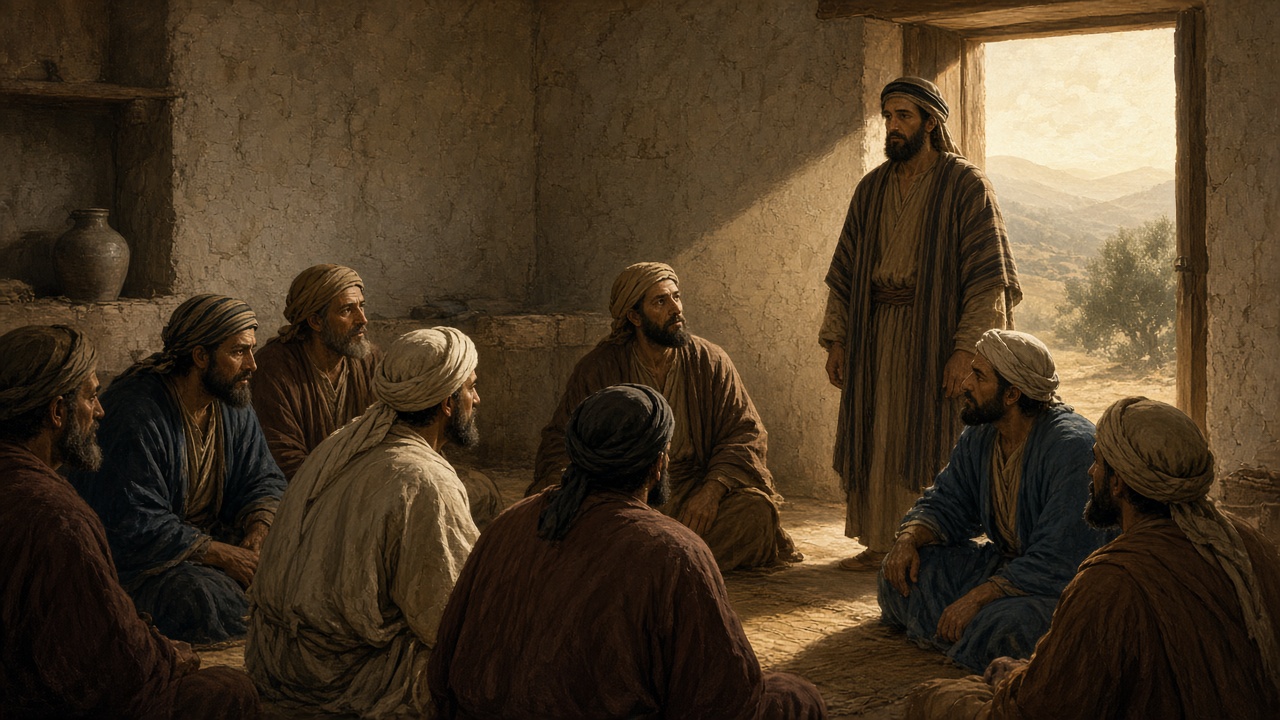
- Some people measured Paul by appearances and by his speech. They granted that his letters were weighty and forceful, yet called his physical presence unimpressive and his speaking of no account. He replies that what he is in his letters when away, he will be in his actions when he is present.Sources: the Bible text itself
- He casts the conflict in military terms, but not as an ordinary fight. Living in the flesh, he says, does not mean waging war according to the flesh. The weapons he claims are not the world's; they have divine power to pull down strongholds, to dismantle arguments and every presumption set against the knowledge of God, and to bring every thought into obedience to Christ.Sources: the Bible text itself
- Paul will not boast beyond the field of influence God has assigned him, a field that already includes his readers, since he was the first to reach them with the gospel of Christ. Anyone who boasts, he says, should boast in the Lord; approval belongs not to the one who commends himself, but to the one whom the Lord commends.Sources: the Bible text itself
Notes written with AI assistance from open sources (Theographic Bible Metadata, CC BY-SA 4.0; Easton’s Bible Dictionary, public domain) and reviewed before publishing.
Places in this chapter
- Corinth · 37.906, 22.879 · verse 14
Only places identified with high confidence are shown (90% or more according to the scholarly sources compiled by OpenBible). Period map: DARE (Digital Atlas of the Roman Empire), CC BY 4.0; modern map: © OpenStreetMap contributors; places: OpenBible.info (CC BY 4.0).
Credits and license for this translation
Uisneno In Kabin ma Prenat: Rais Manba'an Fe'u nok Reta' Ahun-hunut
Genesis and the New Testament in the Amarasi language of Indonesia
Kejadian dan Perjanjian Baru dalam bahasa Amarasi dari
copyright © 1999-2014 Unit Bahasa dan Budaya, Kupang NTT, Indonesia
Language: Amarasi
Translation by: Wycliffe Bible Translators
This translation is made available to you under the terms of the
Creative Commons Attribution-No Derivatives license 4.0.
You may share and redistribute this Bible translation or extracts from it in any format, provided that:
You include the above copyright and source information.
You do not make any derivative works that change any of the actual words or punctuation of the Scriptures.
Pictures included with Scriptures and other documents on this site are licensed just for use with those Scriptures and documents.
For other uses, please contact the respective copyright owners.
2022-03-11
Source: http://ebible.org/aaz/ · eBible.org