Romans 16
Xwɨyí̵á Gorɨxoyá Sɨŋí̵pɨrɨnɨ · Tap a verse to see its cross-references.
Yayɨ́ Poro wiowárɨŋɨ́pɨ nánɨrɨnɨ.
1Nionɨ negɨ́ nɨrɨxɨ́meáí Pibíyɨ rɨnɨŋí —Í Jisasoyá sɨyikɨ́ imónɨgɨ́á Segɨria ŋweagɨ́áyo saŋɨ́ wurɨ́naroarɨŋɨ́ wírɨnɨ. “Í apɨxɨ́ awiaxɨ́ wírɨnɨ.” seararɨŋɨnɨ. 2Í seyɨ́né tɨ́ámɨnɨ nɨbɨrɨ́ná seyɨ́né “Í enɨ Ámɨnáo tɨ́nɨ ikárɨnɨŋɨ́ wírɨ́anɨ?” nɨyaiwiro umímɨnɨ́ɨ́rɨxɨnɨ. E nerɨ́ná úrapí mɨwí ámá Gorɨxoyá imónɨgɨ́á wigɨ́ wínɨyo umímɨnɨpaxɨ́ imónɨŋɨ́pa axɨ́pɨ numímɨnɨro pí pí nánɨ ikeamónɨ́agɨ nɨwɨnɨróná arɨrá wíɨ́rɨxɨnɨ. Ayɨ́ rɨpɨ nánɨrɨnɨ. Í ámá ayá wíyo arɨrá wirɨ nionɨ enɨ arɨrá nirɨ yarɨŋí eŋagɨ nánɨ rarɨŋɨnɨ.
3Pɨrisiraímɨ tɨ́nɨ xiagwo Akwiraomɨ tɨ́nɨ “Poro yayɨ́ eaiwárénapɨŋoɨ.” urɨ́poyɨ. Ayaú nionɨ Kiraisɨ Jisasomɨ nɨxɨ́dɨrɨ yarɨŋápɨ nánɨ gwɨ́ nɨmónɨgɨ́íyaúrɨnɨ. 4Nionɨ éɨ́ nɨnɨmínɨri nánɨ yoɨ́ mayɨ́ nimónɨri egɨ́íyaú eŋagɨ nánɨ Gorɨxomɨ yayɨ́ wiarɨŋárɨnɨ. Nionɨnɨ marɨ́áɨ, émá Jisasoyá sɨyikɨ́ imónɨgɨ́á nɨmɨnɨ ŋweagɨ́áyɨ́ enɨ ayaú nánɨ yayɨ́ wiarɨgɨ́árɨnɨ. 5Jisasoyá sɨyikɨ́ imónɨgɨ́á xɨ́omɨ yayɨ́ wianɨro nánɨ aŋɨ́ ayaúyáiwámɨ awí eánarɨgɨ́áyo enɨ “Poro yayɨ́ seaiwárénapɨŋoɨ.” urɨ́poyɨ.
Epinitasomɨ —O gɨ́ dɨŋɨ́ sɨxɨ́ uyiŋáorɨnɨ. Esia pɨropenɨsɨ́yo ámá nɨ́nɨ sɨnɨ eŋáná xámɨ Kiraisomɨ dɨŋɨ́ wɨkwɨ́roŋo, ayɨ́ orɨnɨ. Omɨ enɨ “Poro yayɨ́ siowárénapɨŋoɨ.” urɨ́poyɨ.
6Mariaímɨ —Í seyɨ́né arɨrá oseaimɨnɨrɨ anɨŋɨ́ minɨ́ eŋírɨnɨ. Ímɨ enɨ “Yayɨ́ siowárénapɨŋoɨ.” urɨ́poyɨ.
7Adɨronikasomɨ tɨ́nɨ Juniasomɨ tɨ́nɨ awaúmɨ enɨ “Yayɨ́ eaiwárénapɨŋoɨ.” urɨ́poyɨ. Awaú nionɨ tɨ́nɨ axɨ́gwíonerɨnɨ. Awaú nionɨ tɨ́nɨ nawínɨ gwɨ́ aŋɨ́yo ŋweaŋwáwaúrɨnɨ. Nionɨ sɨnɨ Kiraisomɨ dɨŋɨ́ mɨwɨkwɨ́roŋáná awaú xámɨ o tɨ́nɨ ikárɨnɨgɨ́íwaú imónɨgɨ́írɨnɨ. Wáɨ́ wurɨmeiarɨgɨ́á seáyɨ e imónɨgɨ́áyɨ́ waúrɨnɨ.
8Abɨrietasomɨ —O Ámɨnáoyá wo nionɨ dɨŋɨ́ sɨxɨ́ uyiŋáorɨnɨ. Omɨ enɨ “Yayɨ́ siowárénapɨŋoɨ.” urɨ́poyɨ.
9Ebanomɨ —O Kiraisomɨ nɨxɨ́dɨrɨ yarɨŋwápɨ nánɨ gwɨ́ nɨmónɨŋɨ́yɨ́ worɨnɨ. Omɨ tɨ́nɨ gɨ́ dɨŋɨ́ sɨxɨ́ uyiŋáo, Sɨtekisomɨ tɨ́nɨ awaúmɨ enɨ “Yayɨ́ Eaiwárénapɨŋoɨ.” urɨ́poyɨ.
10Aperisomɨ —O Kiraisomɨ nɨxɨ́dɨrɨ́ná mɨmɨwiáró píránɨŋɨ́ xɨ́darɨŋagɨ wɨnarɨŋwá worɨnɨ. Omɨ enɨ “Yayɨ́ siowárénapɨŋoɨ.” urɨ́poyɨ.
Arisɨtoburasoyá aŋiwámɨ wearɨgɨ́áyo enɨ “Yayɨ́ seaiwárénapɨŋoɨ.” urɨ́poyɨ.
11Yegɨ́ axowawi Xerodionomɨ enɨ “Yayɨ́ siowárénapɨŋoɨ.” urɨ́poyɨ.
Nasisasoyá imónɨgɨ́áyo —Ayɨ́ Ámɨnáoyá wí imónɨgɨ́áyɨ́rɨnɨ. Ayo enɨ “Yayɨ́ seaiwárénapɨŋoɨ.” urɨ́poyɨ.
12Tɨraipinaímɨ tɨ́nɨ Tɨraiposaímɨ tɨ́nɨ —Ípaú Ámɨnáomɨ nɨxɨ́dɨríná ámá wí enɨ oxɨ́dɨ́poyɨnɨrɨ rɨ́wɨ́ nɨrɨ́kwínɨrɨ anɨŋɨ́ minɨ́ yarɨgɨ́ípaúrɨnɨ. Ípaúmɨ enɨ “Yayɨ́ eaiwárénapɨŋoɨ.” urɨ́poyɨ.
Gɨ́ dɨŋɨ́ sɨxɨ́ uyiŋáo, Pesisomɨ —O Ámɨnáomɨ nɨxɨ́dɨrɨ́ná wínɨyɨ́ enɨ dɨŋɨ́ owɨkwɨ́rɨ́poyɨnɨrɨ anɨŋɨ́ minɨ́ yarɨŋorɨnɨ. Omɨ “Yayɨ́ siowárénapɨŋoɨ.” urɨ́poyɨ.
13Rupasomɨ —O Ámɨnáomɨ nɨxɨ́dɨrɨ́ná mowiɨ́á xɨ́darɨŋomanɨ. Omɨ “Yayɨ́ siowárénapɨŋoɨ.” nurɨróná xɨnáímɨ —Í omɨ xɨnáí gɨ́ inókínɨŋɨ́ imónɨŋírɨnɨ. Ímɨ enɨ e urɨ́poyɨ.
14Asigɨritasomɨ tɨ́nɨ Pɨrigonomɨ tɨ́nɨ Xemisomɨ tɨ́nɨ Patɨrobasomɨ tɨ́nɨ Xemasomɨ tɨ́nɨ negɨ́ nɨrɨxɨ́meá awa tɨ́nɨ ŋweagɨ́áyo enɨ “Yayɨ́ seaiwárénapɨŋoɨ.” urɨ́poyɨ.
15Pirorogasomɨ tɨ́nɨ xiepí Juriaímɨ tɨ́nɨ Neriasomɨ tɨ́nɨ xɨnapímɨ tɨ́nɨ Oribasomɨ tɨ́nɨ ámá Gorɨxoyá imónɨgɨ́á ayɨ́ tɨ́nɨ ŋweagɨ́áyo enɨ “Yayɨ́ seaiwárénapɨŋoɨ.” urɨ́poyɨ.
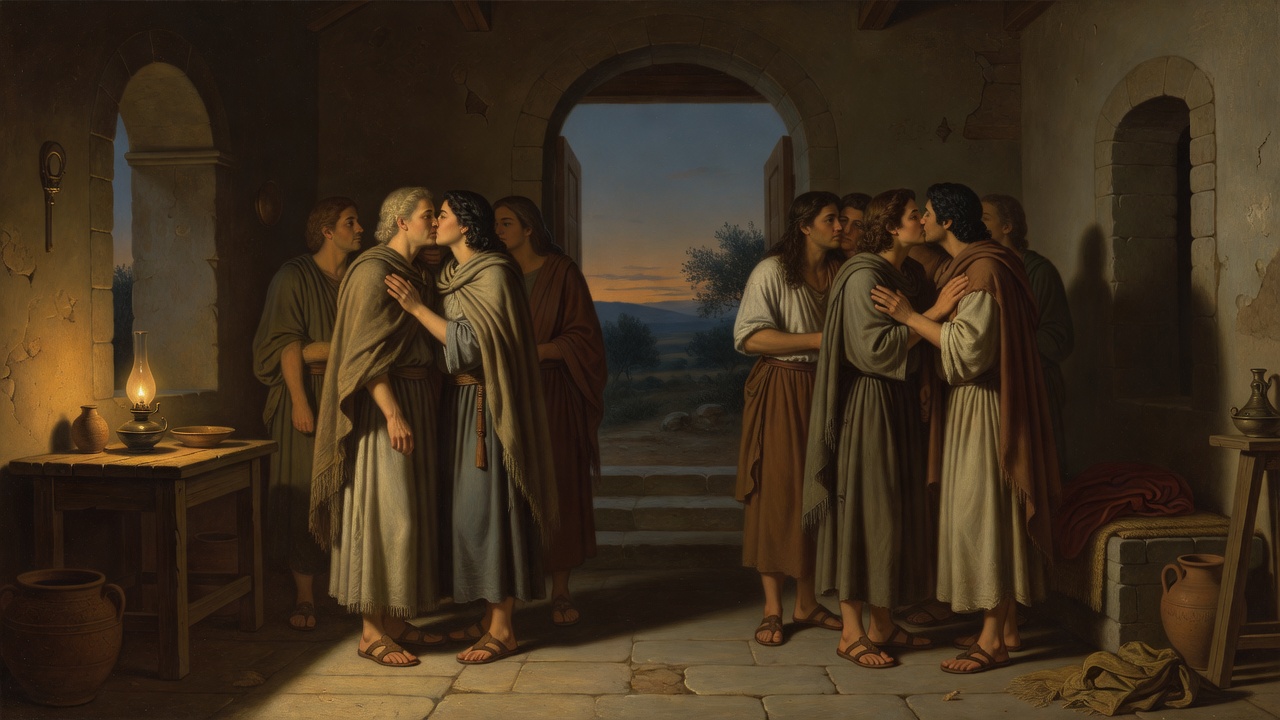
16Jisasoyá sɨyikɨ́ imónɨgɨ́áyɨ́né yayɨ́ ninɨróná yayɨ́ óɨ́ eánenɨ́ɨ́rɨxɨnɨ. Jisasoyá sɨyikɨ́ imónɨgɨ́á ŋweagɨ́á apɨ apɨ nɨpɨnɨ yayɨ́ seaiwárénaparɨŋoɨ.
“Ámá xepɨxepá orónaneyɨnɨro seaíwapɨyarɨgɨ́áyɨ́ sɨŋwɨ́ wɨnaxɨ́dɨ́ɨ́rɨxɨnɨ.” urɨŋɨ́ nánɨrɨnɨ.
17Gɨ́ nɨrɨxɨ́meáyɨ́né, eŋɨ́ rɨrémɨxɨ́ bɨ rɨpɨ oseaimɨnɨ. Seyɨ́né ámá mɨxɨ́ orɨnɨ́poyɨnɨrɨ seaiepɨsiro óreámioápoyɨnɨrɨ seaíwapɨyiro yarɨgɨ́áyo —Ayɨ́ none seaíwapɨyiŋwápɨ nɨwiaíkiro xegɨ́ bɨ seaíwapɨyanɨro yarɨgɨ́áyɨ́rɨnɨ. Ayo sɨŋwɨ́ wɨnaxɨ́dɨ́poyɨ. Sɨŋwɨ́ nɨwɨnaxɨ́dɨróná ayɨ́ tɨ́nɨ gwiaumɨ́ minɨpa époyɨ. 18Ayɨ́ rɨpɨ nánɨ seararɨŋɨnɨ. Ámá e yarɨgɨ́áyɨ́ nepa Ámɨná Kiraisoyá xɨnáíwánɨŋɨ́ nimónɨro omɨŋɨ́ wiiarɨgɨ́áyɨ́manɨ. Reaxɨ́ winarɨŋɨ́pɨ nánɨnɨ dɨŋɨ́ nɨmoro yarɨgɨ́áyɨ́rɨnɨ. Ayɨ́ dɨyimánɨ́ ikaxɨ́ nurɨro weyɨ́ umeararɨgɨ́ápimɨ dánɨ ámá maiwí “E neaíwapɨyanɨro rɨ́a yarɨŋoɨ?” mɨyaiwí egɨ́áyo yapɨ́ wíwapɨyarɨgɨ́árɨnɨ. 19“Romɨ ŋweáyɨ́ xwɨyɨ́á yayɨ́ neainarɨŋɨ́pɨ rɨ́wɨ́ mumó píránɨŋɨ́ xɨ́darɨŋoɨ.” rɨnɨŋɨ́pɨ aŋɨ́ nɨmɨnɨ yanɨ́ iwénɨmeŋɨ́ eŋagɨ nánɨ nionɨ seyɨ́né nánɨ yayɨ́ ninarɨnɨ. E nerɨ aí ámá nionɨ seararɨŋáyɨ́ yapɨ́ seaíwapɨyipɨ́rɨxɨnɨrɨ seyɨ́né naŋɨ́ imónɨŋɨ́pɨ nánɨ dɨŋɨ́ émɨ́ saímɨ́ moro sɨpí imónɨŋɨ́pɨ nánɨ majɨ́á ero oimónɨ́poyɨnɨrɨ nimónarɨŋagɨ nánɨ rarɨŋɨnɨ. 20Nionɨ seararɨŋápɨ seyɨ́né xɨxenɨ nerɨ́náyɨ́, Gorɨxo —O ananɨ ámá nɨwayɨrónɨro ŋweapɨ́rɨ́a nánɨ wimɨxarɨŋorɨnɨ. O sɨnɨ mé obomɨ xopɨrárɨ́ nɨwimáná seyɨ́néyá suyɨmaŋwɨ́yo wárɨnɨ́árɨnɨ.
“Ámɨná Jisaso wá seawianɨ́wɨnɨgɨnɨ.” nimónarɨnɨ.
“Ámá tɨyɨ́ yayɨ́ seaiwárénapáoɨ.” urɨŋɨ́ nánɨrɨnɨ.
21Timotio —O Kiraisomɨ nɨxɨ́dɨrɨ yarɨŋápɨ nánɨ gwɨ́ nɨmónɨŋɨ́ worɨnɨ. O yayɨ́ seaiwárénapɨŋoɨ. Nionɨ tɨ́nɨ axɨ́gwíowa, Rusiaso tɨ́nɨ Jesono tɨ́nɨ Sosipatao tɨ́nɨ enɨ yayɨ́ seaiwárénapáoɨ. 22Tetiasonɨ —Nionɨ Poro áwaŋɨ́ nɨrarɨ́ná payɨ́ rɨna eaarɨŋáonɨrɨnɨ. Nionɨ enɨ Ámɨnáoyáyɨ́né yayɨ́ seaiwárénapɨ́ɨnɨ. 23Gaiaso —O Poronɨ xegɨ́ aŋɨ́yo ŋweaŋáná píránɨŋɨ́ nɨmearɨŋorɨnɨ. Jisasoyá sɨyikɨ́ imónɨgɨ́á aŋɨ́ rɨpimɨ ŋweagɨ́áyɨ́ xegɨ́ aŋɨ́yo awí eánɨpɨ́rɨ nánɨ umímɨnarɨŋorɨnɨ. O enɨ yayɨ́ seaiwárénapɨŋoɨ. Erasɨtaso —O aŋɨ́ rɨpimɨ dáŋɨ́ gapɨmanɨ́yɨ́yá nɨgwɨ́ meŋweaŋorɨnɨ. O tɨ́nɨ xogwáo Kwotaso tɨ́nɨ awaú enɨ yayɨ́ seaiwárénapɨ́iɨ. 24[Ámɨná Jisasɨ Kiraiso seyɨ́né nɨyɨ́nénɨ wá seawianɨ́wɨnɨgɨnɨ. “E imónɨ́wɨnɨgɨnɨ.” nimónarɨnɨ.]
“Gorɨxomɨ seáyɨmɨ uméwanɨgɨnɨ.” urɨŋɨ́ nánɨrɨnɨ.
25Seyɨ́né xwɨyɨ́á yayɨ́ neainarɨŋɨ́pɨ —Xwɨyɨ́á apɨ Jisasɨ Kiraiso nánɨ nionɨ wáɨ́ urarɨŋápɨ tɨ́nɨ xɨxenɨrɨnɨ. Apɨ eŋíná dánɨ ínɨmɨ yumɨ́í imónɨŋɨ́pɨrɨnɨ. Ínɨmɨ yumɨ́í nimóga bagɨ́ aiwɨ agwɨ ríná rɨxa wɨ́á wókímɨxɨnɨŋɨ́pɨrɨnɨ. Émá nɨmɨnɨ ŋweagɨ́áyɨ́ wí arɨ́á nɨwiro dɨŋɨ́ owɨkwɨ́rópoyɨnɨrɨ Gorɨxo —O anɨŋɨ́ nonɨ́ ŋweaŋorɨnɨ. O eŋíná dánɨ “E imónɨ́wɨnɨgɨnɨ.” rárɨŋɨ́pa wɨ́á rókiamoagɨ́áwa eagɨ́ápɨ wáɨ́ urɨmearɨŋwápimɨ dánɨ émá nɨmɨnɨ ŋweagɨ́áyɨ́ tɨ́ŋɨ́ e rɨxa sɨŋánɨ áwaŋɨ́ rɨnárɨnɨŋɨ́pɨrɨnɨ. Xwɨyɨ́á apɨ xaíwɨ́ ɨ́á oxɨrɨ́poyɨnɨrɨ seaimɨxɨpaxo, ayɨ́ Gorɨxorɨnɨ. 27Dɨŋɨ́ émɨ́ saímɨ́ morɨ ŋwɨ́á imónɨrɨ eŋo, ayɨ́ onɨrɨnɨ. Omɨ Jisasɨ Kiraiso neaiiŋɨ́pɨ nánɨ dɨŋɨ́ nɨmorɨŋɨ́pimɨ dánɨ yayɨ́ seáyɨ émɨ oumeaneyɨ. “E éwanɨgɨnɨ.” nimónarɨnɨ.
Did you know?
Greetings to the church in Rome
- Paul commends Phoebe, a servant of the church in Cenchrea, and asks the recipients in Rome to welcome her and help her with whatever she needs, because she has been a great help to many people, including him. Cenchrea was the eastern harbor of Corinth, about nine miles east of the city and the outlet for its trade with the Asiatic shores of the Mediterranean; Easton's Bible Dictionary (1897) says she was probably the bearer of this letter.Sources: the Bible text itself · Phebe · Cenchreae
- Paul greets Prisca and Aquila, his fellow workers in Christ Jesus, who risked their lives for him, and also the church that meets in their house; he says that not only he but all the churches of the Gentiles are grateful to them. Easton's Bible Dictionary (1897) calls her Priscilla and describes Aquila as a tent-maker from Pontus who, with his wife, left Rome because of a decree of Claudius in A.D. 50 commanding all Jews to leave the city; her name sometimes comes before his, as it does here.Sources: the Bible text itself · Priscilla · Aquila
- Near the close, Tertius, who wrote the letter down, adds his own greeting. Gaius, who has hosted Paul and all the church, also sends greetings, as do Erastus, the city treasurer, and Quartus.Sources: the Bible text itself
Notes written with AI assistance from open sources (Theographic Bible Metadata, CC BY-SA 4.0; Easton’s Bible Dictionary, public domain) and reviewed before publishing.
Places in this chapter
Only places identified with high confidence are shown (90% or more according to the scholarly sources compiled by OpenBible). Period map: DARE (Digital Atlas of the Roman Empire), CC BY 4.0; modern map: © OpenStreetMap contributors; places: OpenBible.info (CC BY 4.0).
Credits and license for this translation
Xwɨyí̵á Gorɨxoyá Sɨŋí̵pɨrɨnɨ
The New Testament in the Ankave language of Papua New Guinea
Nupela Testamen long tokples Angave long Niugini
copyright © 1990 Wycliffe Bible Translators, Inc.
Language: Angave (Ankave)
Translation by: Wycliffe Bible Translators
This translation is made available to you under the terms of the
Creative Commons Attribution-Noncommercial-No Derivatives license 4.0.
You may share and redistribute this Bible translation or extracts from it in any format, provided that:
You include the above copyright and source information.
You do not sell this work for a profit.
You do not change any of the words or punctuation of the Scriptures.
Pictures included with Scriptures and other documents on this site are licensed just for use with those Scriptures and documents.
For other uses, please contact the respective copyright owners.
2012-10-03
Source: http://png.bible/aak/ · eBible.org