Matthew 11
Xwɨyí̵á Gorɨxoyá Sɨŋí̵pɨrɨnɨ · Tap a verse to see its cross-references.
Jono Jisasomɨ yarɨŋɨ́ wipɨsi nánɨ urowárɨŋɨ́ nánɨrɨnɨ.
1Jisaso xegɨ́ wiepɨsarɨŋɨ́ wé wúkaú sɨkwɨ́ waú awamɨ sekaxɨ́ e nurɨ́ɨsáná uréwapɨyemerɨ wáɨ́ urɨmerɨ emɨnɨrɨ nánɨ e dánɨ pɨ́nɨ nɨwiárɨmɨ Judayɨ́ aŋɨ́ amɨ amɨ ikwɨ́rónɨŋɨ́yo nánɨ uŋɨnigɨnɨ.
2Jono wayɨ́ numeaia warɨŋo gwɨ́ nɨŋweámáná arɨ́á re wiŋɨnigɨnɨ, “Jisaso e yarɨnɨ. E yarɨnɨ.” rarɨŋagɨ́a arɨ́á nɨwirɨ xɨ́o xegɨ́ wiepɨsarɨŋɨ́yɨ́ waúmɨ Jisaso tɨ́ŋɨ́ e nánɨ urowáráná 3awaú nuri yarɨŋɨ́ re wigɨ́isixɨnɨ, “Jono ‘Ámá wo rɨ́wɨ́yo bɨnɨ́árɨnɨ.’ rarɨŋoxɨranɨ? Wenɨŋɨ́ nerɨ ŋweaanɨ nánɨ wo sɨnɨ rɨ́a barɨnɨ?” urɨ́agɨ́i 4Jisaso re urɨŋɨnigɨnɨ, “Awagwí nuri amɨpí nionɨ yarɨ́ná sɨŋwɨ́ nanɨ́ípɨ tɨ́nɨ arɨ́á níɨ́ípɨ tɨ́nɨ nánɨ repɨyɨ́ nɨwiri áwaŋɨ́ urémeápiyɨ. 5Nionɨ yarɨ́ná ámá sɨŋwɨ́ supárɨgɨ́áyɨ́ sɨŋwɨ́ oxoaro sɨkwɨ́ ikɨ́ egɨ́áyɨ́ naŋɨ́ nimónɨro aŋɨ́ ero peyɨyɨ́ tɨ́gɨ́áyɨ́ wará naŋɨ́ inɨro arɨ́á pɨ́rónɨgɨ́áyɨ́ arɨ́á ero péɨ́áyɨ́ wiápɨ́nɨmearo ámá uyípeayɨ́ xwɨyɨ́á yayɨ́ winɨpaxɨ́ none wáɨ́ nemerane urarɨŋwápɨ arɨ́á wiro yarɨŋagɨ́a nánɨ Jonomɨ áwaŋɨ́ e urémeápiyɨ. 6Rɨpɨ enɨ ‘Nionɨ nánɨ ámá go go sɨ́mɨ́ tɨ́nɨ wikɨ́ dɨŋɨ́ “O pí rɨ́a yarɨnɨ?” mɨniaiwipa nerɨ́náyɨ́, yayɨ́ owinɨnɨ.’ urémeápiyɨ.” nurowárɨrɨ 7awaú rɨxa gwɨ́ aŋɨ́ Jono ŋweaŋiwá tɨ́ŋɨ́ e nánɨ warɨ́ná ámá oxɨ́ apɨxɨ́ e epɨ́royɨ́ egɨ́áyo Jono nánɨ re urɨŋɨnigɨnɨ, “Seyɨ́né ámá dɨŋɨ́ meaŋe nánɨ nurɨ́ná pí ámáyo wɨnanɨro wagɨ́árɨnɨ? Ámá samɨŋɨ́ imɨŋɨ́ onɨmiápɨ nerɨ aí rɨ́wɨ́ ɨwɨ́ apaxɨ́ mé wiŋwɨ́ yarɨŋɨ́pa yarɨŋɨ́ womɨ sɨŋwɨ́ wɨnanɨro wagɨ́áranɨ? Oweoɨ! 8E nerɨ aí pí ámáyo wɨnanɨro wagɨ́árɨnɨ? Ámá rapɨrapɨ́ yarapayɨ́ eŋɨ́ wú yínɨŋɨ́ womɨ sɨŋwɨ́ wɨnanɨro ámá dɨŋɨ́ meaŋe wagɨ́áranɨ? Oweoɨ! Ámá rapɨrapɨ́ yarapayɨ́ naŋɨ́nɨ nɨyínɨro mɨxɨ́ ináyɨ́yɨ́yá aŋɨ́yo ŋweaarɨgɨ́árɨnɨ. 9E nerɨ aí seyɨ́né pí nánɨ ámá dɨŋɨ́ meaŋe nánɨ wagɨ́árɨnɨ? Gorɨxoyá wɨ́á rókiamoarɨŋɨ́ womɨ sɨŋwɨ́ wɨnanɨro wagɨ́áranɨ? Oyɨ, e nerɨ aí ‘O Gorɨxoyá wɨ́á rókiamoagɨ́áyɨ́ tɨ́nɨ xɨxenɨ imónɨŋomanɨ. Seáyɨ e múroŋorɨnɨ.’ seararɨŋɨnɨ. 10Xwɨyɨ́á Gorɨxo xewaxomɨ urɨŋɨ́pɨ wɨ́á rókiamoagɨ́ Marakaio nɨwurɨyirɨ rɨ́wamɨŋɨ́ eaŋɨ́ rɨpɨ, ‘Arɨ́á eɨ. Gorɨxonɨ gɨ́ xwɨyɨ́á yaŋɨ́ wiowárɨmɨ́áo joxɨ gɨ́ íwoxɨ xámɨ rɨmeanɨ nánɨ urowárɨmɨ́árɨnɨ. O joxɨ nánɨ ámáyo nurɨrɨ́ná óɨ́nɨŋɨ́ simoinɨ́árɨnɨ.’ nɨrɨrɨ rɨ́wamɨŋɨ́ eaŋɨ́ apɨ Jono nánɨ rɨnɨnɨ. 11Nepa seararɨŋɨnɨ, ‘Jono ámá arɨ́owayá xwɨ́á piaxɨ́yo dánɨ iwiaronɨ́oyɨ rarɨgɨ́o nánɨ óɨ́nɨŋɨ́ imoŋo eŋagɨ nánɨ ámá nɨ́nɨ aiwɨ wo Jonomɨ seáyɨ e imónɨnɨ xɨrɨgɨ́ámanɨ. E nerɨ aiwɨ gɨyɨ́ gɨyɨ́ nionɨ nɨxɨ́dɨro Gorɨxoyá xwioxɨ́yo páwiro yarɨgɨ́áyɨ́ xwɨyɨ́á nionɨ nánɨ wáɨ́ nurɨmeipɨ́rɨ́pɨ Jono wáɨ́ urɨmeŋɨ́pimɨ seáyɨ e imónɨŋagɨ nánɨ ámá ayɨ́ onɨ́pɨ aiwɨ Jonomɨ enɨ seáyɨ e wimónɨŋoɨ.’ seararɨŋɨnɨ. 12Jono wayɨ́ nɨneameaia warɨŋo xwɨyɨ́á ‘Gorɨxo xwioxɨ́yo mɨmeámɨ́ nɨneairɨ neameŋweanɨ́a nánɨ ámá wo urowárénapɨnɨŋoɨ.’ iwamɨ́ó searɨŋíná dánɨ ámá uyɨ́niɨ́ yarɨgɨ́áyɨ́ ‘Gorɨxoyá xwioxɨ́yo arɨge páwianɨréwɨnɨ?’ nɨyaiwiro pɨ́rɨ́ ɨ́kwieámɨ́ néra páwianɨro yarɨŋoɨ. 13Ŋwɨ́ ikaxɨ́ Moseso nɨrɨrɨ eaŋɨ́pɨ tɨ́nɨ wɨ́á rókiamoagɨ́áwa nɨrɨro eagɨ́ápɨ tɨ́nɨ Gorɨxo xwioxɨ́yo mɨmeámɨ́ nerɨ seameŋweanɨ́a nánɨyɨ́ wɨ́á nɨrókiamóa nɨbɨro Jono yoparɨ́ o axɨ́pɨ rɨŋɨ́rɨnɨ. 14Eŋíná wɨ́á rókiamoagɨ́áyɨ́ wo re rɨŋɨ́pɨ, ‘Gorɨxo xwioxɨ́yo mɨmeámɨ́ nerɨ neameŋweanɨ́ápɨ rɨxa nimónɨmɨnɨrɨ aŋwɨ e eŋánáyɨ́ ámá wo wɨ́á rókiamoagɨ́ Iraijaónɨŋɨ́ imónɨŋɨ́ wo bɨnɨ́árɨnɨ.’ rɨŋɨ́pɨ tɨ́nɨ xɨxenɨ Jono rɨxa bɨŋɨ́rɨnɨ. Seyɨ́né omɨ nɨmímɨnɨrɨ́náyɨ́, o Iraijao imónɨŋɨ́pa imónɨmɨnɨrɨ eŋɨ́rɨnɨ. 15Arɨ́á tɨ́gɨ́áyɨ́né píránɨŋɨ́ nionɨyá xwɨyɨ́ápɨ arɨ́á erɨ́ɨnɨ.
16“E nerɨ aí pí ewayɨ́ xwɨyɨ́á nɨsearɨrɨ re searɨmɨ́ɨnɨ, ‘Ámá agwɨ ríná ŋweagɨ́áyɨ́né ayɨ́nɨŋɨ́ imónɨŋoɨ.’ searɨmɨ́ɨnɨ? Seyɨ́né niaíwɨ́ rɨpiánɨŋɨ́ imónɨŋoɨ. Niaíwɨ́ bɨ́bia makerɨ́á tɨ́ŋɨ́ e éɨ́ nɨŋwearo bɨ́bia tɨ́nɨ niɨ́á yanɨro nerɨ́ná rɨ́aiwá re urarɨŋoɨ, 17‘Nene seyɨ́né sɨmɨnɨŋɨ́ epɨ́rɨ nánɨ soŋɨ́ eaarɨ́ná seyɨ́né sɨmɨnɨŋɨ́ méoɨ. Nene seyɨ́né ŋwapé rɨpɨ́rɨ nánɨ ŋwapé ráná ŋwapé saŋɨ́ mɨnearápáoɨ.’ E urarɨ́ná niaíwɨ́ anɨŋɨ́ winarɨŋɨ́pia yapɨ imónɨŋoɨ. 18Ayɨ́ rɨpɨ nánɨ seararɨŋɨnɨ. Jono nɨbɨrɨ́ná aiwá ámá wimónarɨŋɨ́pɨ tɨ́nɨ iniɨgɨ́ wainɨ́ tɨ́nɨ mɨnɨ́ ŋwɨ́á ŋweaŋáná ámá wí dɨŋɨ́ mamó o nánɨ ‘Imɨ́ó dɨŋɨ́ xɨxéroŋagɨ nánɨ yarɨnɨ.’ rarɨŋoɨ. 19Ámá imónɨŋáonɨ nɨbɨrɨ́ná aiwá iniɨgɨ́ amɨpí ananɨ narɨ́ná ámá wí ‘Ámá royɨ́ aiwá tɨ́nɨ iniɨgɨ́ wainɨ́ tɨ́nɨ rɨwɨ́ eŋɨ́ nerɨ ayá wí narɨŋorɨnɨ. Ámá takisɨ́ nánɨ nɨgwɨ́ nearáparɨgɨ́áwa tɨ́nɨ ɨ́wɨ́ néra warɨgɨ́á wínɨyɨ́ tɨ́nɨ nɨkumɨxɨnɨrɨ emearɨgɨ́orɨnɨ.’ rarɨgɨ́árɨnɨ. Agwɨ e nɨrɨro aí idáná nionɨ yarɨŋápɨ tɨ́nɨ Jono yarɨŋɨ́pɨ tɨ́nɨ aiwánɨŋɨ́ ná wéánáyɨ́ re rɨpɨ́rɨ́árɨnɨ, ‘Ámá imónɨŋo tɨ́nɨ Jono tɨ́nɨ Gorɨxoyá dɨŋɨ́ tɨ́nɨ naŋɨ́ yagɨ́írɨnɨ.’ rɨpɨ́rɨ́árɨnɨ.” urɨŋɨnigɨnɨ.
Aŋɨ́ bɨ bimɨ ŋweáyɨ́ xɨ́omɨ dɨŋɨ́ mɨwɨkwɨ́roarɨŋagɨ́a uréwapɨyiŋɨ́ nánɨrɨnɨ.
20Jisaso e nurɨ́ɨsáná ámá e epɨ́royɨ́ egɨ́áyo nurɨrɨ́ná aŋɨ́ o emɨmɨ́ obaxɨ́ wíwapɨyiŋɨ́pɨ yoɨ́ nɨrɨrɨ ámá ayo ŋweagɨ́áyɨ́ wigɨ́ ɨ́wɨ́ yarɨgɨ́ápɨ rɨ́wɨ́mɨnɨ nɨmamoro nɨsanɨro mɨŋweá éagɨ́a mɨxɨ́ nurɨrɨ 21re urɨŋɨnigɨnɨ, “Korasinɨyo ŋweáyɨ́né aweyɨ! Sɨ́á wɨyi seyɨ́né majɨ́á seaórɨnɨ́árɨnɨ. Gorɨxo xeanɨŋɨ́ rɨ́á tɨ́ŋɨ́ seaikárɨnɨ́á eŋagɨ nánɨ dɨŋɨ́ sɨpí oseainɨnɨ. Betɨsaida ŋweáyɨ́né aweyɨ! Sɨ́á wɨyi seyɨ́né enɨ majɨ́á seaórɨnɨ́árɨnɨ. Ayɨ́ rɨpɨ nánɨrɨnɨ. Emɨmɨ́ segɨ́ aŋɨ́yo seaíwapɨyiŋápɨ émáyɨ́ aŋɨ́ yoɨ́ Taiayɨ rɨnɨŋɨ́yo tɨ́nɨ Saidonɨyɨ rɨnɨŋɨ́yo tɨ́nɨ nɨwíwapɨyirɨ sɨŋwɨrɨyɨ́, ámá aŋɨ́ apiaúmɨ ŋweáyɨ́ eŋíná wigɨ́ ɨ́wɨ́ yarɨgɨ́ápɨ nánɨ piaxɨ́ nɨweánɨro ayá ɨ́á nɨxɨrɨnɨro nánɨ iyɨ́á írɨkwɨ́ pánɨro rɨ́á uráwɨ́yo iwieánɨro yanɨrɨ egɨ́árɨnɨ. 22Nepa seararɨŋɨnɨ. Sɨ́á Gorɨxo ámá nɨyonɨ mí ómómɨxɨmɨ́ enɨ́áyimɨ ámá Taia ŋweáyo tɨ́nɨ Saidonɨ ŋweáyo tɨ́nɨ winɨ́ápa axɨ́pɨ seainɨ́ámanɨ. Seyɨ́néyá seáyɨ e imónɨnɨ. 23Kapaneamɨ ŋweáyɨ́né enɨ ‘Gorɨxo aŋɨ́namɨ nánɨ nɨneaménapɨnɨ́árɨnɨ.’ rɨyaiwiarɨŋoɨ? Oweoɨ! Rɨ́á anɨŋɨ́ wearɨŋɨ́yo nánɨ wepɨ́rɨ́árɨnɨ. Emɨmɨ́ nionɨ segɨ́ aŋɨ́ e seaíwapɨyiŋápɨ eŋíná Sodomɨ ŋweáyɨ́, rɨkɨkɨrɨ́ó yarɨŋagɨ́a Gorɨxo rɨ́á mamówárɨŋɨ́yɨ́ sɨŋwɨ́ nɨnanɨro sɨŋwɨrɨyɨ́, ayɨ́ nɨsanɨro agwɨ ŋweaŋwá re nánɨ nɨŋweaxa banɨro egɨ́árɨnɨ. 24Nepa seararɨŋɨnɨ. Sɨ́á Gorɨxo ámá nɨyonɨ mí ómómɨxɨmɨ́ enɨ́áyimɨ Sodomɨ ŋweaagɨ́áyo winɨ́ápa xɨxenɨ axɨ́pɨ seainɨ́ámanɨ. Seyɨ́néyá seáyɨ e imónɨnɨ.” urɨŋɨnigɨnɨ.
“Nionɨ tɨ́ámɨnɨ nɨbɨrɨ́náyɨ́, dɨŋɨ́ emɨmówárɨ́ inɨpɨ́ráoɨ.” urɨŋɨ́ nánɨrɨnɨ.
25Jisaso e nurɨmáná Gorɨxomɨ xwɨyɨ́á rɨrɨmɨ́ nɨwirɨ́ná re urɨŋɨnigɨnɨ, “Gɨ́ ápoxɨnɨ, Ámɨná aŋɨ́na imɨxɨrɨ xwɨ́á imɨxɨrɨ nerɨ tɨŋoxɨnɨ, xwɨyɨ́á nionɨ urarɨŋá rɨpɨ nánɨ ámá ‘Nionɨ nɨjɨ́onɨrɨnɨ. Go nɨréwapɨyinɨŋoɨ?’ yaiwinarɨgɨ́áyo yimárorɨ ámá niaíwɨ́ onɨmiápia yapɨ ‘Anɨŋɨ́ onɨréwapɨyípoyɨ.’ yaiwinarɨgɨ́áyo wɨ́á urókiamorɨ éagɨ nánɨ yayɨ́ seáyɨmɨ dánɨ orɨmemɨnɨ. 26Ápoxɨnɨ, joxɨ e simónarɨŋagɨ nánɨ dɨxɨ́ dɨŋɨ́ tɨ́nɨ e imónɨnɨ.” nurɨrɨ 27ámáyo re urɨŋɨnigɨnɨ, “Gɨ́ ápo xwɨyɨ́á amɨpí oyá nɨpɨnɨ bɨ yumɨ́í mɨní nɨpɨnɨ ɨ́ánɨŋɨ́ niepɨ́xɨ́niasiŋɨ́rɨnɨ. Ámá nɨ́nɨ aiwɨ wo xegɨ́ dɨŋɨ́ tɨ́nɨ xewaxonɨ nánɨ nɨjɨ́á mimónɨnɨ. Gɨ́ áponɨ nɨjɨ́á imónɨnɨ. Ámá wo xegɨ́ dɨŋɨ́ tɨ́nɨ gɨ́ ápo nánɨ enɨ nɨjɨ́á mimónɨnɨ. Xewaxonɨnɨ nɨjɨ́á imónɨŋɨnɨ. E nerɨ aí ámá xewaxonɨ ‘Gɨ́ ápo nánɨ xe nɨjɨ́á oimónɨ́poyɨ.’ nɨyaiwirɨ o nánɨ wɨ́á wókímɨxarɨŋáyɨ́ ayɨ́ enɨ gɨ́ ápo nánɨ nɨjɨ́árɨnɨ. 28Ayɨnánɨ sekaxɨ́ ‘Rɨpɨ époyɨ. Rɨpɨ époyɨ.’ nɨrɨga uŋɨ́pɨ píránɨŋɨ́ ouxɨ́dɨmɨnɨrɨ nerɨ́ná saŋɨ́ xwé nɨmearɨ́nɨŋɨ́ nɨmeámɨ nuro anɨŋɨ́ seainarɨŋɨ́yɨ́né, nionɨyá dɨŋɨ́ tɨ́nɨ sá ŋweapɨ́rɨ nánɨ nionɨ tɨ́ámɨnɨ bɨ́poyɨ. 29Nionɨ ámá nɨpenionɨ nimónɨrɨ seáyɨ e mimónarɨŋáonɨ eŋagɨ nánɨ saŋɨ́ nionɨyá íkɨ́ánɨŋɨ́ xwaŋwɨ́ níkwónɨmɨ nurɨ́náyɨ́ nionɨ searéwapɨyíáná segɨ́ dɨŋɨ́ emɨmówárɨ́ inɨpɨ́ráoɨ. 30Ayɨ́ rɨpɨ nánɨ seararɨŋɨnɨ. Xwɨyɨ́á nionɨyá saŋɨ́nɨŋɨ́ nɨmeámɨ upɨ́rɨ́pɨ ayɨ́ saŋɨ́ seainɨmenɨŋoɨ. Nayɨ́ seainɨ́ eŋagɨ nánɨ ananɨrɨnɨ.” urɨŋɨnigɨnɨ.
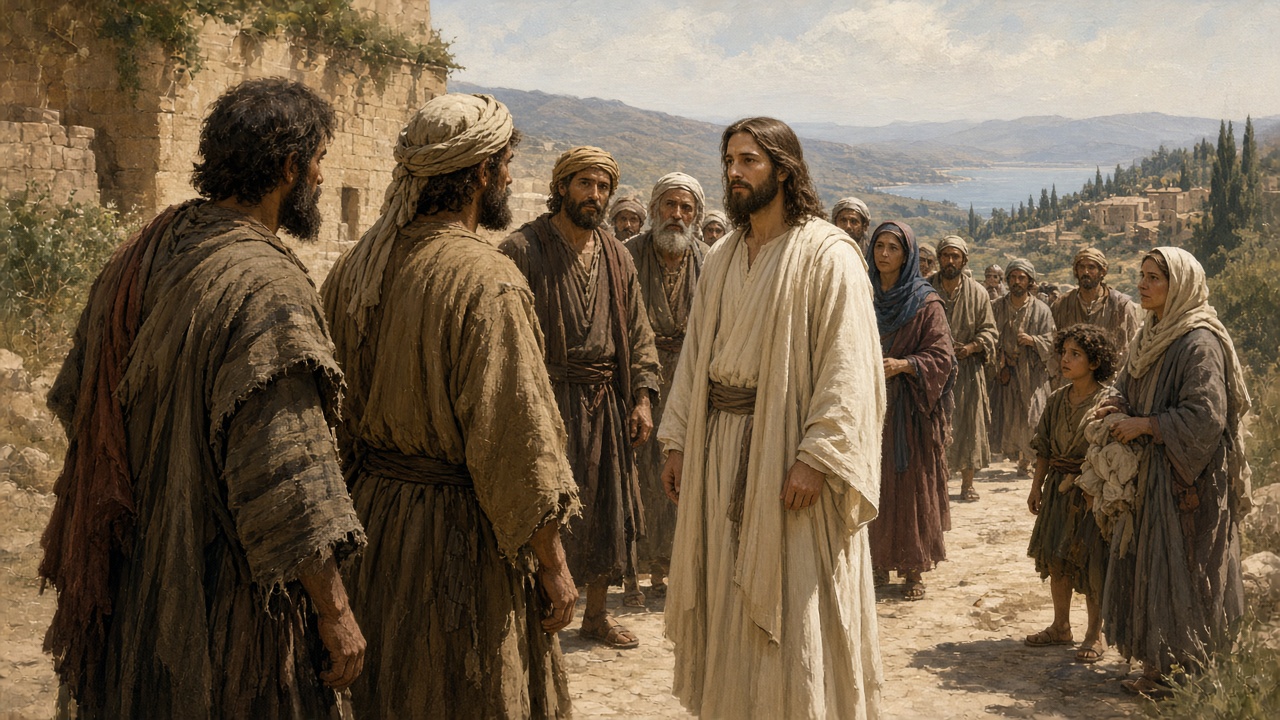
Did you know?
John's question and the cities that did not repent
- From prison, John sent his disciples to ask whether Jesus was the one who was to come. Jesus told the crowds that John was more than a prophet—the messenger sent ahead to prepare the way—and, if they were willing to accept it, the Elijah who was to come. A Bible dictionary calls John the forerunner and says his mission was already the subject of prophecy, citing Isaiah 40:3 and Malachi 3:1; it also introduces Elijah as the Elias of the New Testament.Sources: the Bible text itself · John the Baptist · Elijah
- Jesus then denounced Chorazin, Bethsaida, and Capernaum, where most of his miracles had been performed, because they did not repent. A dictionary identifies Chorazin with modern Kerazeh, about two and a half miles up the Wady Kerazeh from Capernaum, and says that Capernaum, absent from the Old Testament, became Jesus' own city after he left Nazareth. It places Bethsaida on the east side of the lake, two miles up the Jordan in Gaulonitis, enlarged by Philip the tetrarch and named Julias after the emperor's daughter, though some have supposed there was only one Bethsaida, near where the Jordan enters the lake.Sources: the Bible text itself · Chorazin · Capernaum · Bethsaida
- He set those cities against Tyre and Sidon, which he said would have repented long ago in sackcloth and ashes, and against Sodom, which he said would have remained to this day. Sidon, on the Mediterranean coast about twenty-five miles north of Tyre, was the oldest Phoenician city there and the mother city of Tyre. A dictionary says the commerce of the whole world was gathered into Tyre's warehouses, and that Sodom, in the vale of Siddim, was destroyed by fire from heaven so completely that no trace of it has been found.Sources: the Bible text itself · Sidon · Tyre · Sodom
Notes written with AI assistance from open sources (Theographic Bible Metadata, CC BY-SA 4.0; Easton’s Bible Dictionary, public domain) and reviewed before publishing.
Places in this chapter
- Galilee · 32.760, 35.527 · verse 1
- Sidon · Today: Sandikli archaeological site in Sidon · 33.561, 35.372 · verses 21, 22
- Tyre · 33.271, 35.196 · verses 21, 22
Only places identified with high confidence are shown (90% or more according to the scholarly sources compiled by OpenBible). Period map: DARE (Digital Atlas of the Roman Empire), CC BY 4.0; modern map: © OpenStreetMap contributors; places: OpenBible.info (CC BY 4.0).
Credits and license for this translation
Xwɨyí̵á Gorɨxoyá Sɨŋí̵pɨrɨnɨ
The New Testament in the Ankave language of Papua New Guinea
Nupela Testamen long tokples Angave long Niugini
copyright © 1990 Wycliffe Bible Translators, Inc.
Language: Angave (Ankave)
Translation by: Wycliffe Bible Translators
This translation is made available to you under the terms of the
Creative Commons Attribution-Noncommercial-No Derivatives license 4.0.
You may share and redistribute this Bible translation or extracts from it in any format, provided that:
You include the above copyright and source information.
You do not sell this work for a profit.
You do not change any of the words or punctuation of the Scriptures.
Pictures included with Scriptures and other documents on this site are licensed just for use with those Scriptures and documents.
For other uses, please contact the respective copyright owners.
2012-10-03
Source: http://png.bible/aak/ · eBible.org