John 16
Xwɨyí̵á Gorɨxoyá Sɨŋí̵pɨrɨnɨ · Tap a verse to see its cross-references.
1Soyɨ́né axínánɨ dɨŋɨ́ nɨnɨkwɨ́roro nemáná óreámioapɨ́rɨxɨnɨrɨ apɨ nɨpɨnɨ seararɨŋɨnɨ. 2Ayɨ́ re seaipɨ́rɨ́árɨnɨ. Rotú aŋɨ́yo dánɨ segɨ́ yoɨ́ emɨ nɨseakwɨ́rɨmoro aiwɨ rɨ́wéná xe nimónɨríná ámá seapɨkíɨ́áyɨ́ Gorɨxo wimónarɨŋɨ́pɨnɨ yarɨŋwɨnɨrɨ seapɨkipɨ́rɨ́árɨnɨ. 3Ápo nánɨ nɨjɨ́á píránɨŋɨ́ mimónɨpa ero nionɨ nánɨ enɨ axɨ́pɨ e mimónɨpa ero nero nánɨ apɨ seaipɨ́rɨ́árɨnɨ. 4Xwɨyɨ́á nionɨ searɨ́ápɨ, ayɨ́ rɨpɨ nánɨ searɨ́ɨnɨ. Xeanɨŋɨ́ apɨ rɨxa nimónarɨ́ná nionɨ nɨseara úápɨ nánɨ dɨŋɨ́ mopɨ́rɨ́a nánɨ searɨ́ɨnɨ. Apɨ nánɨ iwamɨ́ó soyɨ́né tɨ́nɨ emeŋwaé dánɨ áwaŋɨ́ mɨsearɨŋanigɨnɨ. Sɨnɨ soyɨ́né tɨ́nɨ nemerɨ nánɨ áwaŋɨ́ mɨsearɨŋanigɨnɨ.
Kwíyɨ́pɨ enɨ́ápɨ nánɨ urɨŋɨ́ nánɨrɨnɨ.
5“Rɨxa nɨrowárénapɨŋo tɨ́ŋɨ́ e nánɨ warɨŋagɨ aí soyɨ́né woxɨ ‘Joxɨ gɨmɨ nánɨ urɨ́ɨnɨ?’ mɨnɨrarɨŋoɨ. 6Nionɨ ‘Rɨxa numɨ́ɨnɨ.’ searɨ́agɨ nánɨ soyɨ́né íkɨ́nɨŋɨ́ sɨpí seaiarɨnɨ. 7E nerɨ aí aga nepa seararɨŋɨnɨ, ‘Nionɨ soyɨ́né tɨ́nɨ anɨŋɨ́ re nɨŋwearɨ́ná arɨrá nɨseaipaxɨ́ aiwɨ pɨ́nɨ nɨseawiárɨmɨ nurɨ́ná arɨrá aga seáyɨ e imónɨŋɨ́pɨ seaipaxɨ́rɨnɨ.’ seararɨŋɨnɨ. Ayɨ́ rɨpɨ nánɨrɨnɨ. Nionɨ pɨ́nɨ nɨseawiárɨmɨ mupa nerɨ́náyɨ́, arɨrá seainɨ́omɨ —Kwíyɨ́pɨ nánɨ rarɨŋɨnɨ. Omɨ murowárénapɨpa epaxɨ́rɨnɨ. Nionɨ nurɨ́náyɨ́, omɨ soyɨ́né tɨ́ámɨnɨ urowárénapɨmɨ́á eŋagɨ nánɨ rarɨŋɨnɨ. 8Kwíyɨ́pɨ nɨbɨrɨ́ná ámá xwɨ́á tɨ́yo dáŋɨ́yɨ́ re yaiwíɨ́rɨxɨnɨrɨ, ‘Nene “Ɨ́wɨ́pɨ, ayɨ́ apɨrɨ́anɨ?” moarɨŋwápɨ tɨ́nɨ “Wé rónɨŋɨ́pɨ, ayɨ́ apɨrɨ́anɨ?” moarɨŋwápɨ tɨ́nɨ “Gorɨxo ámáyo xwɨyɨ́á numeárɨrɨ́ná e winɨ́árɨ́anɨ?” moarɨŋwápɨ tɨ́nɨ apiaú apɨ xeŋwɨ́nɨ moarɨŋwárɨ́anɨ?’ yaiwíɨ́rɨxɨnɨrɨ wíwapɨyinɨ́árɨnɨ. 9Ayɨ́ nionɨ dɨŋɨ́ mɨnɨkwɨ́ropa yarɨŋagɨ́a nánɨ kwíyɨ́pɨ ‘Ɨ́wɨ́pɨ, ayɨ́ apɨrɨ́anɨ?’ oyaiwípoyɨnɨrɨ wíwapɨyirɨ 10nionɨ ápo tɨ́ŋɨ́ e nánɨ yíáná o nɨnɨmímɨnɨmáná soyɨ́né sɨnɨ sɨŋwɨ́ ámɨ wí mɨnanɨ́á eŋagɨ nánɨ kwíyɨ́pɨ ‘Wé rónɨŋɨ́pɨ, ayɨ́ apɨrɨ́anɨ?’ enɨ oyaiwípoyɨnɨrɨ wíwapɨyirɨ 11Gorɨxo obo, ámá xwɨ́á tɨ́yo meŋweaŋomɨ rɨxa xwɨyɨ́á umeárɨŋɨ́ eŋagɨ nánɨ kwíyɨ́pɨ ‘Gorɨxo xwɨyɨ́á numeárɨrɨ́ná e winɨ́árɨnɨ.’ enɨ oyaiwípoyɨnɨrɨ wíwapɨyirɨ enɨ́árɨnɨ.” urɨŋɨnigɨnɨ.
12Ámɨ re urɨŋɨnigɨnɨ, “Nionɨ xwɨyɨ́á xwapɨ́ ámɨ bɨ tɨ́nɨ ‘Osearɨmɨnɨ.’ nimónarɨŋagɨ aiwɨ agwɨ soyɨ́né arɨ́á nipaxɨ́ mimónɨŋoɨ. 13E nerɨ aiwɨ kwíyɨ́ amɨpí nepaxɨŋɨ́ imónɨŋɨ́pɨ nánɨ rarɨŋɨ́pɨ nɨbɨrɨ́ná Gorɨxo nánɨ nepánɨ imónɨŋɨ́pɨ nɨ́nɨ seaíwapɨyinɨ́árɨnɨ. Apɨ xegɨ́ dɨŋɨ́ tɨ́nɨ wí mɨsearɨpa nerɨ ápomɨnɨ arɨ́á wiarɨŋɨ́pɨnɨ rɨnɨ́á eŋagɨ nánɨ amɨpí Gorɨxo nánɨ imónɨŋɨ́pɨ xɨxenɨ searéwapɨyinɨ́árɨnɨ. Amɨpí rɨ́wɨ́yo imónɨnɨ́ápɨ nánɨ enɨ wɨ́á searókiamonɨ́árɨnɨ. 14Kwíyɨ́pɨ xwɨyɨ́á nionɨ rarɨŋápɨ wɨ́á nɨsearókiamorɨ nionɨ nánɨ nɨsearɨrɨ nánɨ nionɨ seáyɨ e nimɨxɨnɨ́árɨnɨ. 15Ápo nionɨ ɨ́ánɨŋɨ́ niepɨ́xɨ́niasiŋɨ́ eŋagɨ nánɨ amɨpí nɨ́nɨ oyá imónɨŋɨ́pɨ nionɨyárɨnɨ. Ayɨnánɨ nionɨ re searɨ́ɨnɨ, ‘Kwíyɨ́pɨ nionɨ rarɨŋápɨ arɨ́á nɨnirɨ wɨ́á searókiamonɨ́árɨnɨ.’ searɨ́ɨnɨ.” urɨŋɨnigɨnɨ.
“Íkɨ́nɨŋɨ́ sɨpí nɨseaíɨsáná yayɨ́ seainɨnɨ́árɨnɨ.” urɨŋɨ́ nánɨrɨnɨ.
16Jisaso ámɨ re urɨŋɨnigɨnɨ, “Nionɨ bɨ onɨmiápɨ soyɨ́né tɨ́nɨ nɨŋweámáná eŋáná sɨŋwɨ́ nanɨpɨ́rɨméoɨ. Soyɨ́né segɨ́pɨ ámɨ bɨ onɨmiápɨ nɨŋweámáná sɨŋwɨ́ nanɨpɨ́rɨ́árɨnɨ.” urɨ́agɨ 17wiepɨsarɨŋɨ́yɨ́ wa re rɨnɨgɨ́awixɨnɨ, “O pí enɨ́pɨ nánɨ rɨ́a re áwaŋɨ́ neararɨnɨ, ‘Nionɨ bɨ onɨmiápɨ nɨŋweámáná eŋáná sɨŋwɨ́ nanɨpɨ́rɨméoɨ. Soyɨ́né segɨ́pɨ ámɨ bɨ onɨmiápɨ nɨŋweámáná sɨŋwɨ́ nanɨpɨ́rɨ́árɨnɨ.’ Rɨpɨ enɨ ‘Ápo tɨ́ŋɨ́ e umɨnɨrɨ rarɨŋɨnɨ.’ neararɨŋɨ́pɨ pí enɨ́pɨ nánɨ rɨ́a neararɨnɨ?” nɨrɨnɨro 18re rɨnɨgɨ́awixɨnɨ, “ ‘Bɨ onɨmiápɨyɨ́ rarɨŋɨ́yɨ́ pí nánɨ rɨ́a neararɨnɨ? None xɨ́o rarɨŋɨ́pɨ nánɨ nɨjɨ́á mimónɨŋwɨnɨ.” rɨnarɨŋagɨ́a 19Jisaso awa yarɨŋɨ́ owianeyɨnɨro wimónarɨŋagɨ nánɨ nɨjɨ́á nimónɨrɨ nánɨ re urɨŋɨnigɨnɨ, “Nionɨ ‘Bɨ onɨmiápɨ nɨŋweámáná eŋáná sɨŋwɨ́ nanɨpɨ́rɨméoɨ. Segɨ́pɨ ámɨ bɨ onɨmiápɨ nɨŋweámáná sɨŋwɨ́ nanɨpɨ́rɨ́árɨnɨ.’ searɨ́ápɨ nánɨ yarɨŋɨ́ ninɨro rɨrɨnarɨŋoɨ? 20Aga nepa seararɨŋɨnɨ. Soyɨ́né ámɨxɨ́á nero ŋwɨ́ pɨyɨ́ wɨ́rɨnɨpɨ́rɨ aiwɨ ámá xwɨ́á tɨ́yo dáŋɨ́yɨ́ —Ayɨ́ Gorɨxo tɨ́nɨ xepɨxepá rónɨgɨ́áyɨ́rɨnɨ. Ayɨ́ yayɨ́ seáyɨmɨ dánɨ winɨnɨŋoɨ. Ríná soyɨ́né íkɨ́nɨŋɨ́ sɨpí nɨseairɨ aiwɨ rɨ́wéná dɨŋɨ́ niɨ́á seainɨnɨ́árɨnɨ.” nurɨrɨ 21ewayɨ́ xwɨyɨ́á bɨ rɨpɨ urɨŋɨnigɨnɨ, “Apɨxíwa niaíwɨ́ nɨxɨrɨrɨ́ná yarɨgɨ́ápɨ nánɨ dɨŋɨ́ mópoyɨ. Apɨxɨ́ niaíwɨ́ sɨŋwɨ́ wanarɨ́ná ‘Rɨnɨŋɨ́ nɨninɨrɨ niaíwɨ́ xɨrɨmɨ nánɨ rɨxa rínárɨ́anɨ?’ nɨyaiwirɨ nánɨ íkɨ́nɨŋɨ́ sɨpí wiarɨŋɨ́rɨnɨ. E nerɨ aí rɨ́wéná niaíwɨ́ rɨxa nɨxɨrɨmáná niaíwɨ́ xɨrɨ́o nánɨ dɨŋɨ́ niɨ́á winarɨŋagɨ nánɨ rɨ́nɨŋɨ́ winɨ́ɨ́pɨ nánɨ arɨ́á ikeamoarɨŋɨ́rɨnɨ. 22Soyɨ́né enɨ axɨ́pɨ́nɨŋɨ́ seaimónɨnɨ. Agwɨ soyɨ́né íkɨ́nɨŋɨ́ sɨpí nɨseairɨ aiwɨ nionɨ ámɨ sɨŋwɨ́ seanáná xwioxɨ́yo dɨŋɨ́ niɨ́á seainɨnɨ́árɨnɨ. Yayɨ́ apɨ ámá wí amɨpí wí nɨseaikárɨro aí pɨ́rɨ́ searakipaxɨ́ mimónɨŋɨ́pɨ nánɨ rarɨŋɨnɨ. 23Dɨŋɨ́ yayɨ́ seainɨ́e dánɨ nionɨ ámɨ amɨpí bɨ nánɨ yarɨŋɨ́ nipɨ́rɨ́ámanɨ. Aga nepa seararɨŋɨnɨ. Ápomɨ amɨpí bɨ nánɨ rɨxɨŋɨ́ nurɨrɨ́ná nionɨmɨ dánɨ uránáyɨ́, ananɨ nɨseaiapɨnɨ́árɨnɨ. 24Ínɨná dánɨ ápomɨ nionɨmɨ dánɨ rɨxɨŋɨ́ murɨpa néra nɨbɨ́asáná aí dɨŋɨ́ niɨ́á seainɨnɨ́ápɨ bɨ onɨmiápɨ mɨseainɨpa éwɨnɨgɨnɨrɨ omɨ ananɨ rɨxɨŋɨ́ urɨ́ɨ́rɨxɨnɨ. Rɨxɨŋɨ́ uráná seaiapɨnɨ́árɨnɨ.” urɨŋɨnigɨnɨ.
“Nionɨ ámá Gorɨxo tɨ́nɨ xepɨxepá rónɨgɨ́áyo rɨxa xopɨrárɨ́ wiŋárɨnɨ.” urɨŋɨ́ nánɨrɨnɨ.
25Ámɨ re urɨŋɨnigɨnɨ, “Xwɨyɨ́á nionɨ nɨseara úápɨ ewayɨ́ xwɨyɨ́á tɨ́nɨ nɨsearɨrɨ aiwɨ rɨ́wéná ewayɨ́ xwɨyɨ́á tɨ́nɨ ámɨ bɨ mɨsearɨ́ ápo nánɨ sɨŋánɨ áwaŋɨ́ searɨmɨ́áíná nimónɨnɨ́árɨnɨ. 26Íná Gorɨxomɨ rɨxɨŋɨ́ nurɨrɨ́ná nionɨmɨ dánɨ urɨpɨ́rɨ́árɨnɨ. Sewanɨŋoyɨ́né rɨxɨŋɨ́ uráná ananɨ arɨ́á seainɨ́á eŋagɨ nánɨ ‘Íná nionɨ soyɨ́né nánɨ ápomɨ rɨxɨŋɨ́ seaurɨyimɨ́árɨnɨ.’ mɨseararɨŋɨnɨ. 27Xewanɨŋo dɨŋɨ́ sɨxɨ́ nɨseayirɨ nánɨ arɨ́á seainɨ́árɨnɨ. Soyɨ́né nionɨ dɨŋɨ́ sɨxɨ́ nɨyiro ‘Ápo tɨ́ŋɨ́ e dánɨ bɨŋorɨ́anɨ?’ niaiwiro yarɨŋagɨ́a nánɨ xewanɨŋo dɨŋɨ́ sɨxɨ́ nɨseayirɨ nánɨ arɨ́á seainɨ́árɨnɨ.” nurɨrɨ 28re urɨŋɨnigɨnɨ, “Eŋíná nionɨ ápo tɨ́nɨ ŋweaagáonɨ aí o tɨ́ŋɨ́ e dánɨ pɨ́nɨ nɨwiárɨmɨ xwɨ́á tɨ́yo nánɨ bɨŋárɨnɨ. Re nɨŋweaŋɨsáná xwɨ́á tɨ́yo pɨ́nɨ nɨwiárɨmɨ ámɨ o tɨ́ŋɨ́ e nánɨ umɨ́ɨnɨ.” urɨ́agɨ 29xegɨ́ wiepɨsarɨŋowa re urɨgɨ́awixɨnɨ, “Ayɨ́ apɨrɨnɨ. Agwɨ joxɨ ewayɨ́ xwɨyɨ́á tɨ́nɨ mɨneararɨŋɨnɨ. Rɨxa sɨŋánɨ áwaŋɨ́ neararɨŋɨnɨ. 30Agwɨ none dɨŋɨ́ re nɨsiaiwirane nɨjɨ́á imónɨŋwɨnɨ, ‘Amɨpí nɨ́nɨ nánɨ nɨjɨ́orɨ́anɨ? Ámá yarɨŋɨ́ mɨwipa éɨ́mɨ aiwɨ wigɨ́ xwioxɨ́yo “Yarɨŋɨ́ apɨ owimɨnɨ.” yaiwiarɨgɨ́ápɨ nánɨ nɨjɨ́á imónɨŋorɨ́anɨ?’ nɨsiaiwirane nɨjɨ́á imónɨŋwɨnɨ. Ayɨnánɨ dɨŋɨ́ re nɨsiaiwirane dɨŋɨ́ rɨkwɨ́roarɨŋwɨnɨ, ‘Joxɨ Gorɨxo tɨ́ŋɨ́ e dánɨ bɨŋoxɨrɨnɨ.’ rɨkwɨ́roarɨŋwɨnɨ.” urɨ́agɨ́a 31Jisaso re urɨŋɨnigɨnɨ, “Agwɨ soyɨ́né dɨŋɨ́ rɨnɨkwɨ́roarɨŋoɨ? 32Soyɨ́né xɨ́dɨ́xɨ́dowárɨ́ seaíáná nionɨ nɨgɨ́pɨ pɨ́nɨ nɨnɨwiárɨmɨ segɨ́ aŋɨ́mɨ nánɨ xɨxegɨ́nɨ umipɨ́ríná rɨxa aŋwɨ e nerɨ rɨxa imónɨnɨ. Soyɨ́né nionɨ pɨ́nɨ nɨnɨwiárɨmɨ núagɨ́a aí ápo dɨŋɨ́ nɨkɨkayoŋagɨ nánɨ nionɨ nɨgɨ́pɨ ŋweapaxɨ́manɨ. 33Soyɨ́né ayá sɨ́wɨ́ mɨsearó ‘O tɨ́nɨ ikárɨnɨŋwáonerɨ́anɨ?’ nɨyaiwinɨro kikiɨ́á éɨ́rɨxɨnɨrɨ xwɨyɨ́á nionɨ nɨseara bɨ́ápɨ searɨ́árɨnɨ. Soyɨ́né xwɨ́á tɨ́yo ŋweaŋáná ámá Gorɨxo tɨ́nɨ xepɨxepá rónɨgɨ́áyɨ́ xeanɨŋɨ́ seaikárɨpɨ́rɨ́á eŋagɨ aiwɨ nionɨ ayo rɨxa xopɨrárɨ́ wíá eŋagɨ nánɨ dɨŋɨ́ sɨxɨ́ nínɨro ŋweáɨ́rɨxɨnɨ.” urɨŋɨnigɨnɨ.
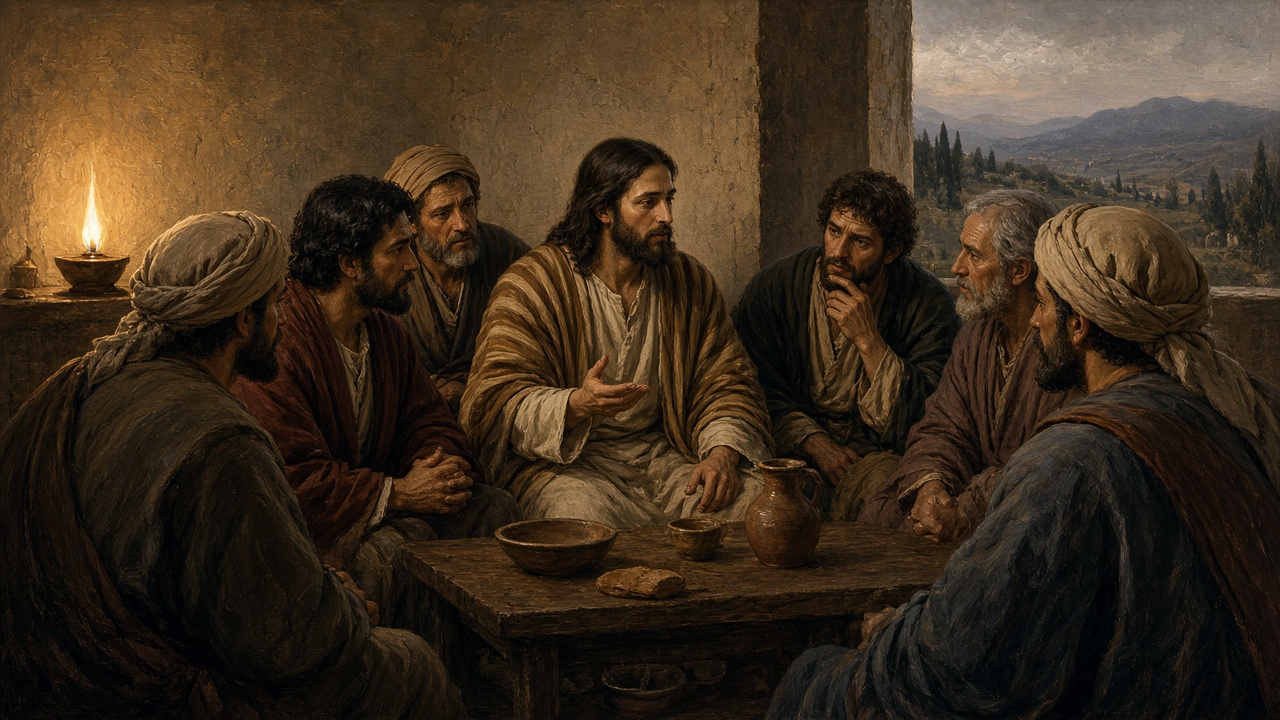
Did you know?
Departure, the Advocate, and joy after grief
- Event notes place this chapter in the Upper Room Discourse, a one-day episode within Holy Week, which those notes list as eight days.Sources: Upper Room Discourse · Holy Week
- Jesus tells the disciples they will be put out of the synagogues. He adds that a time is coming when anyone who kills them will think he is offering a service to God, because they have not known the Father or him.Sources: the Bible text itself
- He says it is for their benefit that he is going away, because unless he goes, the Advocate will not come. When the Spirit of truth comes, he will guide them into all truth, not speaking on his own but saying what he hears and declaring what is to come.Sources: the Bible text itself
Notes written with AI assistance from open sources (Theographic Bible Metadata, CC BY-SA 4.0; Easton’s Bible Dictionary, public domain) and reviewed before publishing.
Credits and license for this translation
Xwɨyí̵á Gorɨxoyá Sɨŋí̵pɨrɨnɨ
The New Testament in the Ankave language of Papua New Guinea
Nupela Testamen long tokples Angave long Niugini
copyright © 1990 Wycliffe Bible Translators, Inc.
Language: Angave (Ankave)
Translation by: Wycliffe Bible Translators
This translation is made available to you under the terms of the
Creative Commons Attribution-Noncommercial-No Derivatives license 4.0.
You may share and redistribute this Bible translation or extracts from it in any format, provided that:
You include the above copyright and source information.
You do not sell this work for a profit.
You do not change any of the words or punctuation of the Scriptures.
Pictures included with Scriptures and other documents on this site are licensed just for use with those Scriptures and documents.
For other uses, please contact the respective copyright owners.
2012-10-03
Source: http://png.bible/aak/ · eBible.org