Hebrews 5
Xwɨyí̵á Gorɨxoyá Sɨŋí̵pɨrɨnɨ · Tap a verse to see its cross-references.
1Apaxɨ́pánɨŋɨ́ imónɨgɨ́á xwé wo wo nowanɨ ɨ́wɨ́ wigɨ́ ámá yarɨgɨ́ápɨ nánɨ Gorɨxoyá íráɨ́ onɨŋe nánɨ nɨwurɨyiro aiwá peaxɨ́ utiro rɨdɨyowá wiiro epɨ́rɨ́a nánɨ xɨ́o wigɨ́ imónɨgɨ́áyo dánɨ éɨ́nɨŋɨ́ nɨyoarɨ urɨ́peaarɨŋowarɨnɨ. 2Awa enɨ wé rónɨŋɨ́ imónɨŋɨ́pɨnɨ oyaneyɨnɨrɨ nero aí eŋɨ́ neánɨro mɨxɨmopaxɨ́ wíagɨ́a nánɨ wigɨ́ ámá majɨ́á nero xeŋwɨ́mɨnɨ kɨnɨmónɨ́áyo ananɨ awayinɨ mɨmeyówárɨ́ wipaxowarɨnɨ. 3Wé rónɨŋɨ́ imónɨŋɨ́pɨnɨ oyaneyɨnɨrɨ nero aí eŋɨ́ neánɨro mɨxɨmopaxɨ́ wíagɨ́a nánɨ wigɨ́ ámá ɨ́wɨ́ yarɨgɨ́ápɨ nánɨ rɨdɨyowá wiiarɨgɨ́ápa ɨ́wɨ́ wiwanɨŋowa yarɨgɨ́ápɨ nánɨ enɨ rɨdɨyowá minɨpaxɨ́ mimónɨgɨ́áwarɨnɨ. Awa enɨ aga ninɨpaxowarɨnɨ. 4Ámá wo xewanɨŋo wé íkwiaŋwɨ́yo nɨŋwɨrárɨnɨrɨ xɨ́o xegɨ́ dɨŋɨ́yo dánɨ rɨ́peánarɨŋɨ́manɨ. Oweoɨ, nowanɨ eŋíná Gorɨxo xɨ́o xegɨ́ dɨŋɨ́ tɨ́nɨ Erono apɨ e oimónɨrɨ wéyo ɨ́á umɨrɨŋɨ́pa axɨ́pɨ umɨráná apaxɨ́pánɨŋɨ́ imónɨŋɨ́ xwéowa imónarɨgɨ́árɨnɨ. 5Kiraiso enɨ xewanɨŋo seáyɨ e nɨmɨ́eyoánɨrɨ apaxɨ́pánɨŋɨ́ imónɨŋɨ́ xwé wonɨ oimónɨmɨnɨrɨ mɨrɨ́peánɨŋɨnigɨnɨ. Oweoɨ, Gorɨxo omɨ seáyɨ e numɨ́eyoarɨ Bɨkwɨ́yo nɨrɨnɨrɨ eánɨŋɨ́ rɨpɨ urɨŋɨnigɨnɨ, “Joxɨ gɨ́ íwoxɨ oimónɨrɨ simɨxɨ́árɨnɨ. Agwɨ ríná joxɨ́nɨŋɨ́ semeáárɨnɨ.” nurɨrɨ 6Bɨkwɨ́yo ámɨ wí e nɨrɨnɨrɨ eánɨŋɨ́ rɨpɨ enɨ urɨŋɨnigɨnɨ, “Apaxɨ́pánɨŋɨ́ imónɨŋɨ́ Merikisedeko nimónɨrɨ eŋɨ́ yapɨ joxɨ enɨ axɨ́pɨ anɨŋɨ́ nánɨ e imónɨ́ɨrɨxɨnɨ.” urɨŋɨ́ eŋagɨ nánɨ Kiraiso e imónɨŋɨ́rɨnɨ. 7Xámɨ o ámá nimónɨrɨ xwɨ́á tɨ́yo nɨŋwearɨ́ná “Ámá nɨpɨkianɨro yarɨgɨ́ápɨ nánɨ wáyɨ́ ninɨnɨgɨnɨrɨ ápo dɨŋɨ́ sɨxɨ́ nɨmímopaxorɨ́anɨ?” nɨyaiwirɨ arɨrá oninɨrɨ ŋwɨ́ pɨyɨ́ nɨwɨ́rɨnɨrɨ gwɨ́nɨ́ kɨ́kɨ́á tɨ́nɨ rɨxɨŋɨ́ uráná xanomɨ arɨ́á nɨwirɨ píránɨŋɨ́ yapenɨŋo eŋagɨ nánɨ omɨ xɨxenɨ arɨ́á wiŋorɨnɨ. 8O Gorɨxomɨ xewaxo aí rɨ́nɨŋɨ́ xɨ́omɨ nɨwímearɨ peŋɨ́yo dánɨ re nɨyaiwirɨ nɨjɨ́á imónɨŋɨ́rɨnɨ, “Ápomɨ arɨ́á nɨwirɨ xɨxenɨ nerɨ́ná apɨ e xɨxenɨ rí rɨnímeaarɨnɨ?” E nɨyaiwirɨ nɨjɨ́á nimónɨrɨ 9xano wimónɨŋɨ́ nɨpɨnɨ rɨxa sɨpearɨ́mɨ́ nɨyárɨrɨ nánɨ ámá xɨ́omɨ pɨ́rɨ́ mɨwiaíkí arɨ́á wiarɨgɨ́á gɨyɨ́ gɨyɨ́ nɨ́nɨ anɨŋɨ́ minɨ́ íníná naŋɨ́nɨ ŋweapɨ́rɨ́a nánɨ yeáyɨ́ uyimɨxemeapaxo imónɨrɨ 10Gorɨxo re rárɨŋɨ́pɨ tɨ́nɨ xɨxenɨ imónɨrɨ eŋɨ́rɨnɨ, “Xwé apaxɨ́pánɨŋɨ́ imónɨŋɨ́ Merikisedeko imónɨŋɨ́pa axɨ́pɨ imónɨŋorɨnɨ.” rárɨŋɨ́pɨ tɨ́nɨ xɨxenɨ imónɨrɨ eŋɨ́rɨnɨ.
Jisasomɨ rɨ́wɨ́ umóɨ́rɨxɨnɨrɨ erɨrɨ́ wiŋɨ́ nánɨrɨnɨ.
11“Nionɨ ‘Kiraiso nánɨ nɨrɨrɨ́ná Merikisedeko nánɨ nɨrɨrɨ́nɨŋɨ́ apɨ́nɨŋɨ́ apɨ́nɨŋɨ́ imónɨnɨ.’ osearɨmɨnɨ.” nɨnimónɨrɨ aiwɨ arɨ́á iwayɨ́ pɨ́rogɨ́áyɨ́né, seyɨ́né mɨ́kɨ́pɨ nánɨ nɨjɨ́á imónɨpɨ́rɨ nánɨ arɨge searɨmɨ́ɨnɨ? 12None ayá wí searéwapɨyiŋwá eŋagwɨ nánɨ xamɨŋɨ́yɨ́né e dánɨ wíyo nuréwapɨyipaxɨ́ nimónɨrɨ́ná ayɨ́ naŋɨ́ imónɨmɨnɨrɨ eŋɨ́ aiwɨ seyɨ́né sɨnɨ majɨmajɨ́á yarɨŋagɨ́a nánɨ ámá wí ámɨ Kiraiso nánɨ sɨrɨmɨŋɨ́ imónɨŋɨ́pimɨ dánɨ nɨsearéwapɨyipaxɨ́ imónɨgɨ́áyɨ́nérɨnɨ. Seyɨ́né aiwá nɨpaxɨ́ mimónɨ́ amɨŋɨ́nɨ narɨgɨ́áyɨ́ yapɨ imónɨŋoɨ. 13Ayɨ́ rɨpɨ nánɨ seararɨŋɨnɨ. Ámá aiwá nɨpaxɨ́ mimónɨ́ sɨnɨ amɨŋɨ́ narɨgɨ́áyɨ́ nɨ́nɨ “Apɨ nerɨ́ná wé rónɨŋɨ́pɨ yarɨŋoɨ.” rɨnɨŋɨ́pɨ nánɨ majɨ́á nero nánɨ sɨnɨ niaíwɨ́ pɨ́opia yapɨ imónɨŋoɨ. 14E nerɨ aí aiwáyɨ́ ámá rɨxa ámɨnánɨŋɨ́ imónɨgɨ́áyɨ́ narɨgɨ́árɨnɨ. Ámá e imónɨgɨ́áyɨ́ wigɨ́ dɨŋɨ́ tɨ́nɨ píránɨŋɨ́ éwapɨ́narɨgɨ́á eŋagɨ nánɨ naŋɨ́ imónɨŋɨ́pɨranɨ, sɨpí imónɨŋɨ́pɨranɨ, ananɨ mí ómɨxarɨgɨ́áyɨ́rɨnɨ.
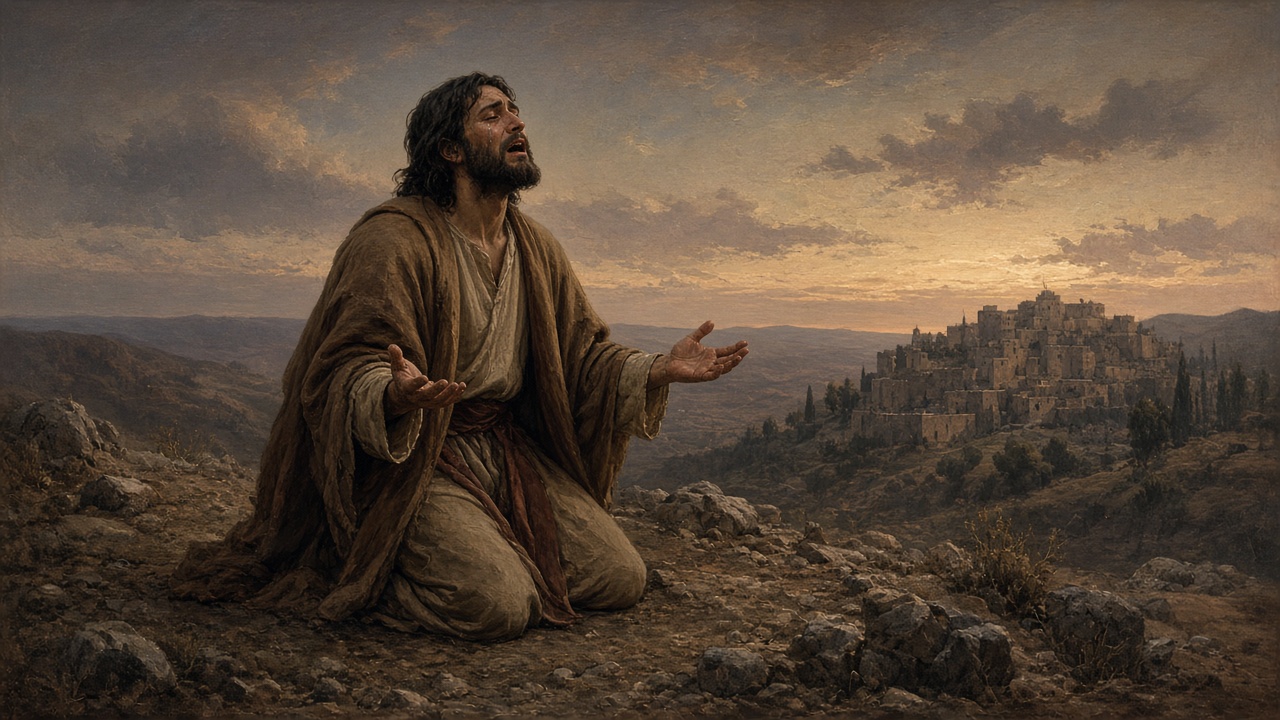
Did you know?
A High Priest Called by God
- Hebrews 5 presents Aaron as the pattern of a high priest who does not take the honor upon himself but is called by God. Aaron, eldest son of Amram and Jochebed, was born in Egypt three years before his brother Moses. When the time drew near for Israel’s deliverance from Egypt, God sent him to meet his long-absent brother so that they might work together toward the Exodus.Sources: the Bible text itself · Aaron
- Melchizedek, whose name Easton's Bible Dictionary (1897) explains as “king of righteousness,” was king of Salem. All that the Old Testament records of him is in Genesis 14:18–20, and he is mentioned only once more, in Psalm 110:4. Hebrews 5 applies to Christ the words “You are a priest forever in the order of Melchizedek,” and the same dictionary says that Hebrews 7 sets out the significance of his story in detail and presents his priesthood as superior to Aaron’s, noting that Abraham paid him tithes and that Melchizedek blessed Abraham.Sources: the Bible text itself · Melchisedec
Notes written with AI assistance from open sources (Theographic Bible Metadata, CC BY-SA 4.0; Easton’s Bible Dictionary, public domain) and reviewed before publishing.
Credits and license for this translation
Xwɨyí̵á Gorɨxoyá Sɨŋí̵pɨrɨnɨ
The New Testament in the Ankave language of Papua New Guinea
Nupela Testamen long tokples Angave long Niugini
copyright © 1990 Wycliffe Bible Translators, Inc.
Language: Angave (Ankave)
Translation by: Wycliffe Bible Translators
This translation is made available to you under the terms of the
Creative Commons Attribution-Noncommercial-No Derivatives license 4.0.
You may share and redistribute this Bible translation or extracts from it in any format, provided that:
You include the above copyright and source information.
You do not sell this work for a profit.
You do not change any of the words or punctuation of the Scriptures.
Pictures included with Scriptures and other documents on this site are licensed just for use with those Scriptures and documents.
For other uses, please contact the respective copyright owners.
2012-10-03
Source: http://png.bible/aak/ · eBible.org