Colossians 2
Xwɨyí̵á Gorɨxoyá Sɨŋí̵pɨrɨnɨ · Tap a verse to see its cross-references.
“Yapɨ́ seaíwapɨyipɨ́rɨxɨnɨrɨ yarɨŋɨnɨ.” urɨŋɨ́ nánɨrɨnɨ.
1“Seyɨ́né rɨpɨ nánɨ nɨjɨ́á oimónɨ́poyɨ.” nimónarɨnɨ. “Seyɨ́né nánɨ tɨ́nɨ aŋɨ́ Reodisia ŋweáyɨ́ nánɨ tɨ́nɨ ámá gɨ́ sɨ́mɨmaŋɨ́ sɨnɨ mí mɨnómɨxɨgɨ́áyɨ́ nánɨ tɨ́nɨ nionɨ rɨ́wɨ́ nɨrɨ́kwínɨrɨ anɨŋɨ́ minɨ́ rɨ́á tɨ́ŋɨ́ yarɨŋápɨ nánɨ nɨjɨ́á oimónɨ́poyɨ.” nimónarɨnɨ. 2Ayɨ́ tɨ́nɨ seyɨ́né tɨ́nɨ dɨŋɨ́ sɨxɨ́ ínɨro dɨŋɨ́ sɨpí inarɨgɨ́ápimɨ dánɨ irɨkwɨ́nɨŋɨ́ ikeánɨro epɨ́rɨ́a nánɨ e yarɨŋɨnɨ. Xwɨyɨ́á yumɨ́í rɨnárɨnɨŋɨ́pɨ xɨxenɨ nɨjɨ́á nimónɨróná “Ayɨ́ apimɨ dánɨ amɨpí mɨmúrónɨŋwaénénɨŋɨ́ rɨ́a imónɨŋwɨnɨ?” yaiwipɨ́rɨ́a nánɨ enɨ e yarɨŋɨnɨ. “Xwɨyɨ́á Gorɨxoyá yumɨ́í rɨnárɨnɨŋɨ́pɨ nánɨ —Apɨ Kiraiso nánɨ rɨnɨŋɨ́pɨrɨnɨ. Apɨ nánɨ xɨxenɨ nɨjɨ́á imónɨpɨ́rɨ́a nánɨ yarɨŋɨnɨ.” seararɨŋɨnɨ. Dɨŋɨ́ émɨ́ saímɨ́ Gorɨxo morɨ dɨŋɨ́ eŋwɨperɨ eŋɨ́pɨ —Apɨ ayá tɨ́ŋɨ́nɨŋɨ́ imónɨŋɨ́pɨrɨnɨ. Apɨ nánɨ ámáyo nɨjɨ́á wimɨxɨpaxo wo marɨ́áɨ, sa Kiraisorɨnɨ. 4Ámá wí wigɨ́ xwɨyɨ́á dɨŋɨ́ seakɨnɨmɨxɨpaxɨ́ imónɨŋɨ́pimɨ dánɨ —Apɨ yapɨ́ rɨnɨŋɨ́ aí nepa imoarɨgɨ́ápɨrɨnɨ. Apimɨ dánɨ yapɨ́ seaíwapɨyipɨ́rɨxɨnɨrɨ Kiraiso nánɨ e seararɨŋɨnɨ. 5Nionɨ seyɨ́né tɨ́nɨ mɨŋweapa nerɨ aiwɨ dɨŋɨ́ seakɨkayoŋɨnɨ. Seyɨ́né Kiraisomɨ dɨŋɨ́ nɨwɨkwɨ́roróná sɨrɨ́ munɨ́ ero íyɨ́ wiámɨ́ yarɨgɨ́áyɨ́nénɨŋɨ́ imónɨro yarɨŋagɨ́a nánɨ dɨŋɨ́ yayɨ́ ninarɨnɨ.
“Wé searoárɨnɨŋɨ́yɨ́né eŋagɨ nánɨ pɨyɨŋɨ́ ikayɨ́wɨ́pɨ dɨŋɨ́ mɨkwɨ́ropanɨ.” urɨŋɨ́ nánɨrɨnɨ.
6Seyɨ́né nemeróná xwɨyɨ́á Ámɨná Kiraisɨ Jisaso nánɨ rɨnɨŋɨ́pɨ xámɨ umímɨnɨgɨ́á tɨ́nɨ xɨxenɨ ámá o tɨ́nɨ ikárɨnɨgɨ́áyɨ́ epaxɨ́ imónɨŋɨ́pa axɨ́pɨ e éɨ́rɨxɨnɨ. 7E nero Kiraisɨ Jisaso nánɨ searéwapɨyigɨ́ápɨ íkɨ́á pɨpɨŋɨ́ ná ínɨmɨ wearɨŋɨ́pánɨŋɨ́ imónɨro aŋɨ́ íkɨ́á xwɨyɨ́á xaíwɨ́yo dánɨ mɨrɨnarɨŋɨ́pánɨŋɨ́ imónɨro Kiraiso nánɨ searéwapɨyíáná dɨŋɨ́ wɨkwɨ́rogɨ́ápɨ píránɨŋɨ́ dɨŋɨ́ sɨxɨ́ ínɨro o seaiiŋɨ́pɨ nánɨ yayɨ́ bɨ onɨmiápɨ mé ayá wí ero éɨ́rɨxɨnɨ.
8Ámá wí pɨyɨŋɨ́ ikayɨ́wɨ́ rɨnɨŋɨ́pɨ —Apɨ nepa mɨ́kɨ́ mayɨ́pɨrɨnɨ. Ámá wigɨ́ dɨŋɨ́yo dánɨ nérowiápɨ́nɨro rarɨgɨ́ápɨrɨnɨ. Kiraiso nánɨ rɨnɨŋɨ́pɨ marɨ́áɨ, sa ámá omɨ mɨxɨ́darɨgɨ́áyɨ́ wigɨ́ amɨpí xɨxegɨ́nɨ nepa mipɨmónɨpaxɨ́ imónɨŋɨ́pia nánɨ rɨnɨŋɨ́pɨrɨnɨ. Apɨ searéwapɨyanɨro éáná dɨŋɨ́ nɨwɨkwɨ́roro xɨ́dɨpɨ́rɨxɨnɨrɨ siŋwɨ́ nɨyápɨrómɨ́ memepanɨ. 9Ayɨ́ rɨpɨ nánɨ seararɨŋɨnɨ. Gorɨxo imónɨŋɨ́pɨ bɨ onɨmiápɨ marɨ́áɨ, nɨpɨnɨ Kiraisomɨ sɨxɨ́ ínɨnɨ. Xegɨ́ nápimɨ nɨpɨnɨ sɨxɨ́ ínɨnɨ. 10O —Gɨyɨ́ gɨyɨ́ seáyɨ e nimónɨrɨ wíyo umeŋweaarɨgɨ́áyoranɨ, gɨyɨ́ gɨyɨ́ nénɨ́ tɨ́gɨ́áyoranɨ, nɨyonɨ o seáyɨ e wimónɨŋorɨnɨ. O tɨ́nɨ ikárɨnɨgɨ́áyɨ́né eŋagɨ nánɨ Gorɨxoyá sɨŋwɨ́yo dánɨ dɨ́wɨ́ wí mɨseaikárɨnɨ́ rɨxa wé searoárɨnɨnɨ. 11O tɨ́nɨ ikárɨnɨgɨ́áyɨ́né eŋagɨ nánɨ iyɨ́ sɨ́mɨ́ sɨ́ó wákwínɨgɨ́áyɨ́né enɨ imónɨŋoɨ. Nepa wé tɨ́nɨ ámá iyɨ́ sɨ́mɨ́ sɨ́ó wákwínarɨgɨ́ápɨ nánɨ mɨrarɨŋɨnɨ. Kiraiso iyɨ́ sɨ́mɨ́nɨŋɨ́ sɨ́ó nɨseawákwirɨ́ná sɨpí oyaneyɨnɨro mɨŋɨ́ inagɨ́ápɨ —Apɨ nɨpɨkwɨnɨ mimónɨŋɨ́ xwioxɨ́yo ínɨŋɨ́pɨrɨnɨ. Apɨ seawákwiŋɨ́pɨ nánɨ rarɨŋɨnɨ. 12Seyɨ́né wayɨ́ nɨmearóná iniɨgɨ́yo ɨ́á seaurɨ́mɨxáná Kiraiso tɨ́nɨ nawínɨ xwɨ́á weyárɨnɨgɨ́áyɨ́nénɨŋɨ́ nimónɨmáná Gorɨxo o xwárɨpáyo dánɨ owiápɨ́nɨmeanɨrɨ wiiŋɨ́pɨ nánɨ dɨŋɨ́ wɨkwɨ́rogɨ́ápimɨ dánɨ o tɨ́nɨ nawínɨ wiápɨ́nɨmeagɨ́áyɨ́nénɨŋɨ́ imónɨŋoɨ. 13Seyɨ́né xámɨ nɨwiaíkía nuro sɨpí yanɨro nánɨ mɨŋɨ́ inagɨ́ápimɨ nɨxɨ́dɨro nánɨ ámá anɨ́nɨmɨxɨnanɨro imónagɨ́áyɨ́né eŋagɨ aiwɨ Gorɨxo xegɨ́ xewaxo Jisaso tɨ́nɨ dɨŋɨ́ nɨyɨmɨŋɨ́ tɨ́gɨ́áyɨ́né oimónɨ́poyɨnɨrɨ seaimɨxɨŋɨ́rɨnɨ. E nerɨ negɨ́ nɨwiaíkía wagwápɨ nɨpɨnɨ enɨ yokwarɨmɨ́ neaiiŋɨ́rɨnɨ. 14Ayɨ́ rɨpɨ́nɨŋɨ́ nerɨ́ná e neaiiŋɨ́rɨnɨ. Ŋwɨ́ ikaxɨ́ eánɨŋɨ́yo dánɨ rɨnɨŋɨ́ nene wiaíkiagwápɨ nánɨ xwɨyɨ́á neaxekwɨ́mopaxɨ́ imónɨŋɨ́pɨ Kiraisomɨ íkɨ́ápámɨ yekwɨroáráná Gorɨxo apɨ enɨ íkɨ́ápámɨ́nɨŋɨ́ yekwɨroárɨŋɨ́pimɨ dánɨ anɨpá imɨxɨŋɨ́rɨnɨ. 15O rɨxa pí pí kwíyɨ́ seáyɨ e nimónɨrɨ meŋweaarɨgɨ́áyoranɨ, nénɨ́ tɨ́gɨ́áyɨ́ imónɨgɨ́áyoranɨ, Kiraiso yoxáɨ́pámɨ nɨperɨ́ná eŋɨ́pimɨ dánɨ xopɨrárɨ́ nɨwimáná ámá nɨ́nɨ re oyaiwípoyɨnɨrɨ, “Gorɨxo ayo rɨxa mɨgɨ́ rɨ́a wimɨxárɨŋoɨ?” oyaiwípoyɨnɨrɨ wigɨ́ sɨŋwɨ́ tɨ́gɨ́e dánɨ nɨméra púɨ́nɨŋɨ́ eŋɨ́rɨnɨ.
“ ‘Apɨ apɨ nɨmusɨrorɨ́ná nɨpɨkwɨnɨ mɨyarɨŋoɨ.’ searáná arɨ́á mɨwipanɨ.” urɨŋɨ́ nánɨrɨnɨ.
16Ámá wí seyɨ́né aiwá bɨ narɨŋagɨ́a sɨŋwɨ́ nɨseanɨro “Nɨpɨkwɨnɨ mɨyarɨŋoɨ.” searánáranɨ, iniɨgɨ́ bɨ narɨŋagɨ́a nɨseanɨro “Nɨpɨkwɨnɨ mɨyarɨŋoɨ.” searánáranɨ, sɨ́á xwiogwɨ́ o omɨ Gorɨxo nánɨ dɨŋɨ́ oneainɨnɨrɨ yarɨgɨ́áyo seyɨ́né kikiɨ́á yarɨŋagɨ́a nɨseanɨro “Nɨpɨkwɨnɨ mɨyarɨŋoɨ.” searánáranɨ, sɨ́á emá sɨŋɨ́ wo imónáná yarɨgɨ́ápɨ mɨxɨ́darɨŋagɨ́a nɨseanɨro “Nɨpɨkwɨnɨ mɨyarɨŋoɨ.” searánáranɨ, Sabarɨ́áyo yarɨgɨ́ápɨ mɨxɨ́darɨŋagɨ́a sɨŋwɨ́ nɨseanɨro “Nɨpɨkwɨnɨ mɨyarɨŋoɨ.” searánáranɨ, wí ayɨ́ seararɨgɨ́ápɨ arɨ́á mɨwipa éɨ́rɨxɨnɨ. 17Ayɨ́ rɨpɨ nánɨ seararɨŋɨnɨ. “Apɨ apɨ neróná Gorɨxomɨ píránɨŋɨ́ xɨ́darɨŋoɨ.” seararɨgɨ́ápɨ ámá náo barɨ́ná onapámɨgɨ́ inarɨŋɨ́pɨ́nɨŋɨ́ imónɨnɨ. Apɨ nɨpɨnɨ, ayɨ́ nene Kiraiso neaiiŋɨ́pɨ nánɨ mí neaórɨnɨnɨ́ápɨ imónɨnɨ. Náo, ayɨ́ Kiraiso xɨ́o imónɨnɨ. 18Ámá wí “Gorɨxo nene nánɨ yayɨ́ owinɨnɨ oyaneyɨnɨrɨ́ná rɨpɨnɨ epaxɨ́rɨnɨ.” yaiwiarɨgɨ́ápimɨ seyɨ́né mɨxɨ́dɨpa yarɨŋagɨ́a sɨŋwɨ́ nɨseanɨro “Nɨpɨkwɨnɨ mɨyarɨŋoɨ.” nɨsearɨro “Sewanɨŋɨ́yɨ́né sɨyikwɨ́piánɨŋɨ́ mimónarɨŋoɨ. Aŋɨ́najɨ́yo ínɨmɨ nɨwurɨ́nɨro yayɨ́ mumearɨŋoɨ.” searánáyɨ́, arɨ́á mɨwí sa paimɨmɨ́ éɨ́rɨxɨnɨ. Ayɨ́ rɨpɨ nánɨ seararɨŋɨnɨ. Ámá e nɨrɨro yarɨgɨ́áyɨ́ nepa sɨŋwɨ́ náyi tɨ́nɨ mɨwɨnɨpa nerɨŋɨ́pimɨ dánɨ e rɨro mɨ́kɨ́ ná mimónɨŋáná nɨpɨkwɨnɨ mimónɨŋɨ́ wigɨ́ xwioxɨ́yo ínɨŋɨ́pimɨ dánɨ wárɨxa imónɨro yarɨgɨ́áyɨ́ eŋagɨ nánɨ seararɨŋɨnɨ. 19Xwɨyɨ́á Kiraiso nánɨ rɨnɨŋɨ́ rɨpɨ enɨ ɨ́á mɨxɨrarɨgɨ́áyɨ́rɨnɨ. Nene oyá sɨyikɨ́ imónɨŋwaéne warárí imónɨŋwɨnɨ. O mɨŋɨ́yi imónɨnɨ. Warárí xómɨŋɨ́ tɨ́nɨ wikɨ́ tɨ́nɨ eŋagɨ nánɨ xegɨ́ imónɨŋɨ́pa imónɨŋɨ́rírɨnɨ. Warárí mɨŋɨ́yimɨ íkíkɨ́ winɨŋagɨ nánɨ xwé nimóga warɨŋɨ́pa oyá sɨyikɨ́ imónɨŋwaéne axɨ́pɨ omɨ mɨŋɨ́yimɨ́nɨŋɨ́ íkíkɨ́ winɨŋwá eŋagɨ nánɨ Gorɨxoyá dɨŋɨ́yo dánɨ nimóga warɨŋwɨnɨ.
“Mipɨmónɨpaxɨ́ imónɨŋɨ́pia nánɨ rɨnɨŋɨ́pɨ arɨ́á mɨwipanɨ.” urɨŋɨ́ nánɨrɨnɨ.
20Kiraiso nɨperɨ́ná seyɨ́né o tɨ́nɨ ikárɨnɨgɨ́áyɨ́né eŋagɨ nánɨ o tɨ́nɨ nawínɨ pɨyɨ́ egɨ́áyɨ́nénɨŋɨ́ imónɨgɨ́árɨnɨ. Ayɨnánɨ seyɨ́né ámá omɨ mɨxɨ́darɨgɨ́áyɨ́ wigɨ́ amɨpí xɨxegɨ́nɨ nepa mipɨmónɨpaxɨ́ imónɨŋɨ́pia nánɨ rɨnɨŋɨ́pimɨ sɨnɨ xɨ́dɨpaxɨ́yɨ́né mimónɨŋoɨ. Seyɨ́né e imónɨŋagɨ́a nánɨ arɨre nero ámá omɨ mɨxɨ́darɨgɨ́áyɨ́ tɨ́nɨ nawínɨ nimónɨrónɨŋɨ́ wigɨ́ rarɨgɨ́ápɨ yarɨŋoɨ? Ŋwɨ́ ikaxɨ́ “Apɨ ɨ́á mɨmaxɨrɨpanɨ. Apɨ gɨ́gɨ́ bɨ mepanɨ. Apɨ amáɨ́ aí mɨrónɨpanɨ.” rarɨgɨ́ápɨ arɨ́á bɨ mɨwipanɨ. 22Ayɨ́ rɨpɨ nánɨ seararɨŋɨnɨ. Ŋwɨ́ ikaxɨ́ apɨ́nɨŋɨ́ nɨrɨga uŋɨ́pɨ, ayɨ́ sa amɨpí aiwáranɨ, iniɨgɨ́ranɨ, nene nɨnɨ́áná anɨpá imónarɨŋɨ́pɨnɨ nánɨ rɨnɨnɨ. Apɨ sa ámáyɨ́ érowiápɨ́nɨro éwapɨ́nɨro yarɨgɨ́ápɨrɨnɨ. 23Apɨ rarɨgɨ́áyɨ́ Gorɨxomɨ yayɨ́ owianeyɨnɨrɨ́ná dɨŋɨ́ ámá moarɨgɨ́ápɨnɨ xɨ́dɨro “Gorɨxo dɨŋɨ́ niɨ́á owinɨnɨrɨ ámá wiwanɨŋɨ́yɨ́ sɨyikwɨ́piánɨŋɨ́ oimónɨ́poyɨ.” rɨro “Gorɨxo dɨŋɨ́ niɨ́á owinɨnɨrɨ iwaŋɨ́ oeánɨ́poyɨ.” rɨro neróná nepaxɨŋɨ́ pákínɨ́ nimónɨro rarɨgɨ́á eŋagɨ nánɨ seyɨ́né xeŋwɨ́ re wiaiwipaxɨ́rɨnɨ, “Ámá e rarɨgɨ́áyɨ́ nepa dɨŋɨ́ émɨ́ saímɨ́ nɨmoro rɨ́a rarɨŋoɨ?” Xeŋwɨ́ e wiaiwipaxɨ́ aiwɨ wigɨ́ rarɨgɨ́ápɨ, ayɨ́ ámá nɨxɨ́dɨrɨŋɨ́pimɨ dánɨ ɨ́wɨ́ nánɨ ɨ́eapá winarɨŋɨ́pimɨ wí pɨ́rɨ́ rakipaxɨ́ mimónɨŋɨ́pɨrɨnɨ.
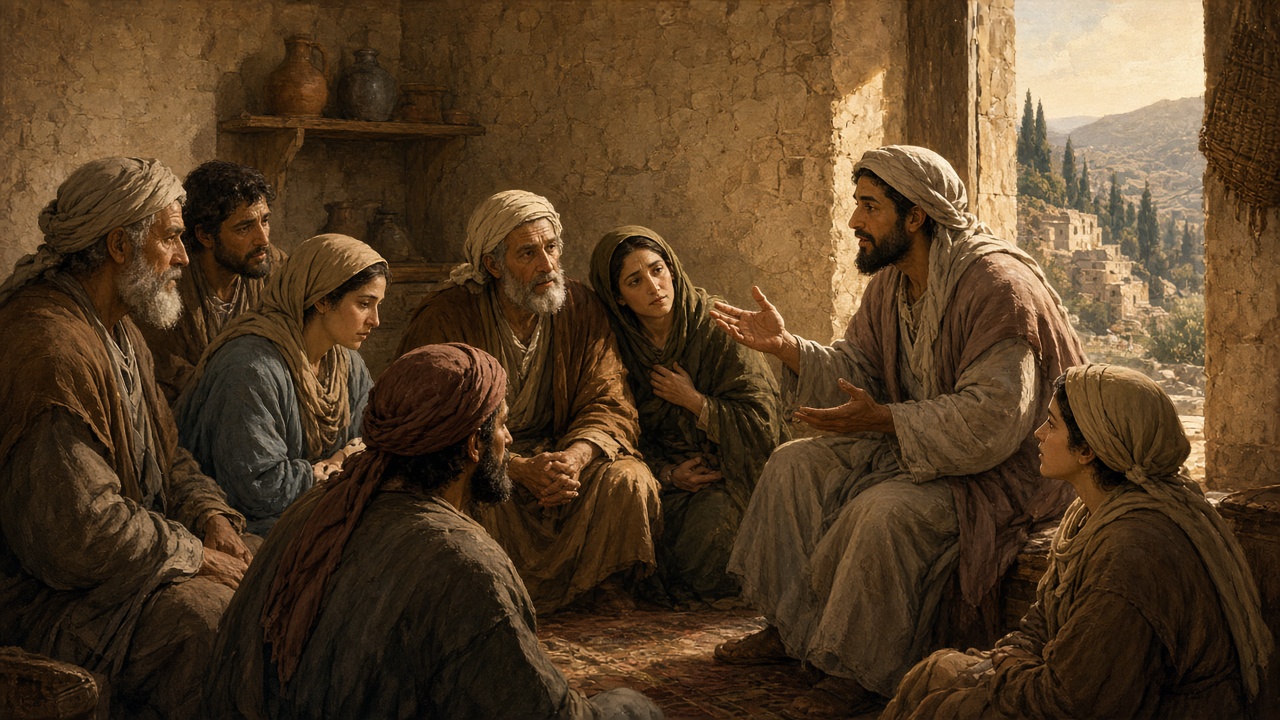
Did you know?
Fullness in Christ, Not Empty Teaching
- The writer says he is struggling for the readers, for those at Laodicea, and for all who have not met him face to face. Laodicea lay on the border of Phrygia and Lydia, on the banks of the Lycus, about forty miles east of Ephesus, and was one of the most important and flourishing cities of Asia Minor.Sources: the Bible text itself · Laodicea
- He warns them not to be taken captive by philosophy and empty deception based on human tradition and the spiritual forces of the world, and not to be deceived by smooth rhetoric.Sources: the Bible text itself
- The chapter also says they should not let anyone judge them by what they eat or drink, or by a feast, a New Moon, or a Sabbath—these are called a shadow of things to come—and should resist false humility, the worship of angels, and rules against handling, tasting, and touching that rest on human commands.Sources: the Bible text itself
Notes written with AI assistance from open sources (Theographic Bible Metadata, CC BY-SA 4.0; Easton’s Bible Dictionary, public domain) and reviewed before publishing.
Places in this chapter
- Laodicea · Today: Laodicea on the Lycus · 37.836, 29.108 · verse 1
Only places identified with high confidence are shown (90% or more according to the scholarly sources compiled by OpenBible). Period map: DARE (Digital Atlas of the Roman Empire), CC BY 4.0; modern map: © OpenStreetMap contributors; places: OpenBible.info (CC BY 4.0).
Credits and license for this translation
Xwɨyí̵á Gorɨxoyá Sɨŋí̵pɨrɨnɨ
The New Testament in the Ankave language of Papua New Guinea
Nupela Testamen long tokples Angave long Niugini
copyright © 1990 Wycliffe Bible Translators, Inc.
Language: Angave (Ankave)
Translation by: Wycliffe Bible Translators
This translation is made available to you under the terms of the
Creative Commons Attribution-Noncommercial-No Derivatives license 4.0.
You may share and redistribute this Bible translation or extracts from it in any format, provided that:
You include the above copyright and source information.
You do not sell this work for a profit.
You do not change any of the words or punctuation of the Scriptures.
Pictures included with Scriptures and other documents on this site are licensed just for use with those Scriptures and documents.
For other uses, please contact the respective copyright owners.
2012-10-03
Source: http://png.bible/aak/ · eBible.org