Acts 3
Xwɨyí̵á Gorɨxoyá Sɨŋí̵pɨrɨnɨ · Tap a verse to see its cross-references.
Pitao sɨkwɨ́ ikɨ́ eŋɨ́ womɨ naŋɨ́ imɨxɨŋɨ́ nánɨrɨnɨ.
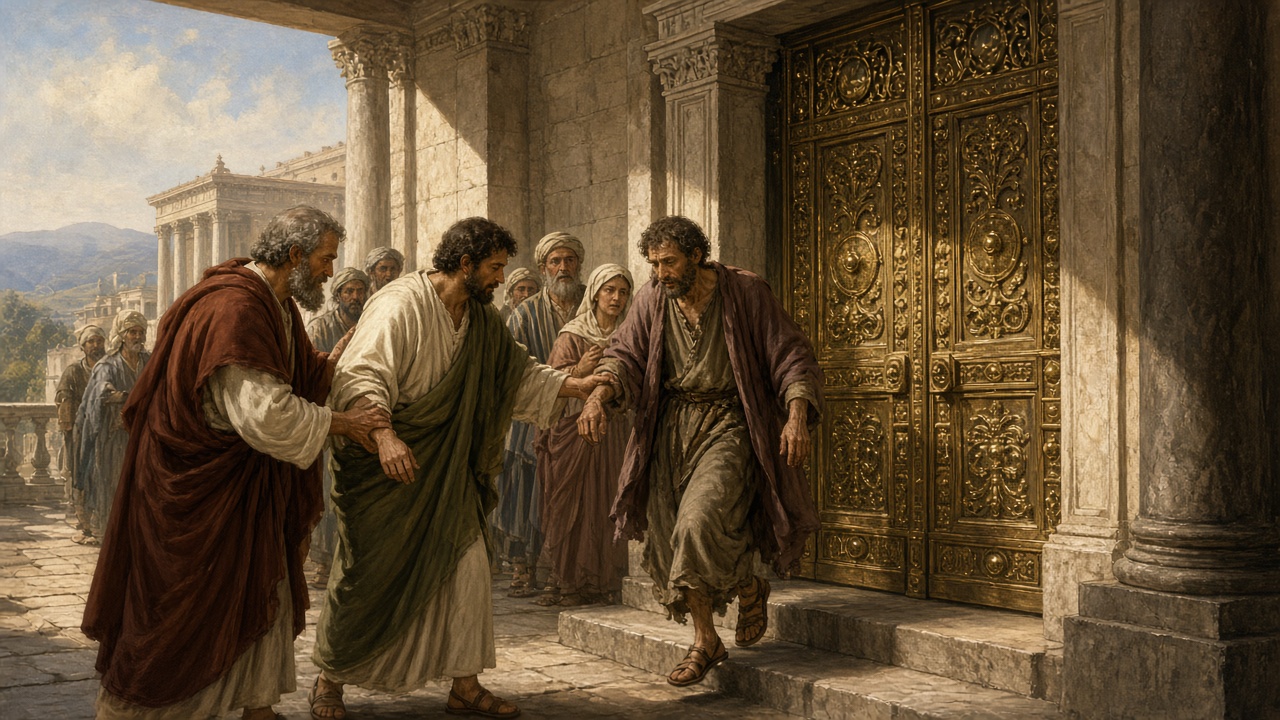
1Sɨ́á wɨyimɨ 3:00 p.m. Judayɨ́ Gorɨxomɨ xwɨyɨ́á rɨrɨmɨ́ wiarɨgɨ́íná Pitao tɨ́nɨ Jono tɨ́nɨ e yanɨri nánɨ aŋɨ́ rɨdɨyowá yarɨgɨ́iwámɨ nánɨ yarɨ́ná 2ámá wo —O sɨnɨ xɨnáíyá agwɨ́yo dánɨ sɨkwɨ́ ikɨ́ eŋorɨnɨ. Sɨ́á ayɨ́ ayo xegɨ́ ámáyɨ́ omɨ íkwiaŋwɨ́yo nɨtɨmáná nɨmeámɨ nuro aŋɨ́ rɨdɨyowá yarɨgɨ́iwámɨ ɨ́wí Awiaxoɨ rɨnɨŋɨ́yimɨ ŋwɨrárayigɨ́orɨnɨ. Ámá aŋɨ́ rɨdɨyowá yarɨgɨ́iwámɨ páwiarɨgɨ́áyo nɨgwɨ́ nánɨ rɨxɨŋɨ́ ourɨnɨrɨ óɨ́ ayimɨ ŋwɨrárayigɨ́orɨnɨ. 3O Pitao tɨ́nɨ Jono tɨ́nɨ aŋɨ́ rɨdɨyowá yarɨgɨ́iwámɨ páwianɨri yarɨŋagɨ́i nɨwɨnɨrɨ awaúmɨ nɨgwɨ́ nánɨ rɨxɨŋɨ́ urarɨ́ná 4Pitao tɨ́nɨ Jono tɨ́nɨ omɨ sɨŋwɨ́ agwɨ́ nɨwɨnárɨri Pitao re urɨŋɨnigɨnɨ, “Joxɨ sɨŋwɨ́ yeaneɨ.” urɨ́agɨ 5o “Nɨgwɨ́ bɨ niapanɨri rarɨŋiɨ.” nɨyaiwirɨ sɨŋwɨ́ wɨnénapɨ́agɨ aí 6Pitao re urɨŋɨnigɨnɨ, “Nionɨ nɨgwɨ́ sirɨpáranɨ, gorɨ́ranɨ, mayonɨ aiwɨ nionɨ xɨrɨŋápɨnɨ bɨ osiapɨmɨnɨ. Eŋɨ́ sɨxɨ́ eánɨŋɨ́ Nasaretɨ dáŋɨ́ Jisasɨ Kiraisoyáyo dánɨ joxɨ ananɨ naŋɨ́ imónɨpaxɨ́ eŋagɨ nánɨ ‘Nɨwiápɨ́nɨmearɨ aŋɨ́ eɨ.’ rɨrarɨŋɨnɨ.” nurɨrɨ 7xegɨ́ wé náúmɨnɨ ɨ́á nɨxɨrɨrɨ mɨ́eyoááná sɨnɨ mé re eŋɨnigɨnɨ. Xegɨ́ sɨkwɨ́ sosɨ́ápiaú tɨ́nɨ xómɨŋɨ́piaú tɨ́nɨ rɨxa sɨwɨ́á nɨyirɨ re eŋɨnigɨnɨ. 8Eŋɨ́ tɨ́nɨ nɨwiápɨ́nɨmearɨ píránɨŋɨ́ éɨ́ nɨrómáná iwamɨ́ó aŋɨ́ nerɨ awaú tɨ́nɨ nawínɨ aŋɨ́ rɨdɨyowá yarɨgɨ́iwámɨ nɨpáwirɨ nɨmawirɨ nɨmawirɨ nɨxeamóa nemerɨ́ná Gorɨxomɨ yayɨ́ seáyɨmɨ dánɨ nɨméra uŋɨnigɨnɨ. 9Ámá nɨ́nɨ o aŋɨ́ emerɨ Gorɨxomɨ yayɨ́ seáyɨmɨ dánɨ umerɨ yarɨŋagɨ sɨŋwɨ́ nɨwɨnɨro 10omɨ rɨxa mí nɨwómɨxɨro “Ámá aŋɨ́ ɨ́wí Awiaxoɨ rɨnɨŋɨ́yimɨ nɨŋwearɨ nɨgwɨ́ nánɨ rɨxɨŋɨ́ neararɨŋo ayɨ́ ro orɨnɨ.” nɨyaiwiro nánɨ “Arɨge nerɨ naŋɨ́ rɨ́a imónɨŋoɨ?” nɨyaiwiro ududɨ́ bɨ onɨmiápɨ mé o imónɨ́ɨ́pɨ nánɨ dɨŋɨ́ nɨyága ugɨ́awixɨnɨ.
Pitao aŋɨ́ rɨdɨyowá yarɨgɨ́iwámɨ dánɨ urɨŋɨ́ nánɨrɨnɨ.
11Omɨ naŋɨ́ wimɨxɨ́agɨ́i nánɨ Pitaomɨ tɨ́nɨ Jonomɨ tɨ́nɨ nɨmakɨ́kɨyirɨ aŋɨ́ wiámɨ́ó Soromonoyáɨ rɨnɨŋɨ́pimɨ roŋáná ámá nɨ́nɨ mɨ́rɨ́ nɨbɨmiro ududɨ́ ikárɨnarɨ́ná 12Pitao ámáyɨ́ e yarɨŋagɨ́a nɨwɨnɨrɨ nánɨ nɨwiápɨ́nɨmearɨ re urɨŋɨnigɨnɨ, “Gɨ́ Isɨrerɨyɨ́né, pí nánɨ ududɨ́ ayá wí nikárɨnɨro sɨŋwɨ́ agwɨ́ yeanarɨŋoɨ? ‘Egɨ́ eŋɨ́ sɨxɨ́ eánɨŋɨ́yo dánɨranɨ, sɨwɨ́ wé rónɨŋɨ́ yarɨgɨ́ípimɨ dánɨranɨ, omɨ naŋɨ́ wimɨxɨ́agɨ́i aŋɨ́ yarɨnɨ.’ rɨyeaiaiwiarɨŋoɨ? Oweoɨ! 13Ŋwɨ́á negɨ́ arɨ́owa Ebɨrɨ́amo tɨ́nɨ Aisako tɨ́nɨ Jekopo tɨ́nɨ awayáomɨ xewaxo Jisaso ámɨ seáyɨ e oimónɨrɨ wimɨxarɨnɨ. O seyɨ́né émáyɨ́ opɨkípoyɨnɨrɨ wiowáráná Pairato ‘Jisaso ɨ́wɨ́ bɨ méɨ́ eŋagɨ nánɨ gwɨ́ nɨwíkwearɨ owárɨmɨnɨ.’ wimónɨ́agɨ aí seyɨ́né Pairatoyá sɨŋwɨ́yo dánɨ rɨ́wɨ́ umogɨ́orɨnɨ. 14Ámá aga wé rónɨŋorɨnɨ. Sɨyikwɨ́ bɨ mínɨŋorɨnɨ. Omɨ seyɨ́né rɨ́wɨ́ numoro ámá pɨkíxwɨrɨ́ó yarɨŋɨ́ wo nánɨ ‘Neawáriɨ.’ urɨgɨ́awixɨnɨ. 15Seyɨ́né dɨŋɨ́ nɨyɨmɨŋɨ́ mɨ́kɨ́ ikiŋɨ́pɨ xiáwomɨ nɨpɨkiro tɨ́agɨ́a aiwɨ Gorɨxoyá dɨŋɨ́yo dánɨ xwárɨpáyo dánɨ nɨwiápɨ́nɨmearɨ neaímeaŋɨ́ mɨ́kone wawirɨnɨ. 16Jisasomɨ yawawi dɨŋɨ́ wɨkwɨ́roarɨgwɨ́ípimɨ dánɨ ámá sɨkwɨ́ ikɨ́ eŋɨ́ ro —O seyɨ́né sɨŋwɨ́ wɨnɨro nɨjɨ́á imónɨro egɨ́orɨnɨ. O apimɨ dánɨ rɨxa sɨkwɨ́ sɨwɨ́á yiŋoɨ. Oyɨ, yawawi Jisasomɨ dɨŋɨ́ nɨwɨkwɨ́rorai éwí eŋagɨ nánɨ ámá ro segɨ́ sɨŋwɨ́yo dánɨ rɨxa naŋɨ́ nimónɨrɨ sɨxɨ́ kwíyɨ́nɨŋɨ́ oŋoɨ. 17Ai nɨrɨxɨ́meáyɨ́né, nionɨ nɨjɨ́árɨnɨ. ‘Seyɨ́né Jisasomɨ rɨ́wɨ́ numoróná majɨ́á nero “Gorɨxo urowárénapɨŋorɨ́anɨ?” mɨyaiwí wiarɨ́ná segɨ́ ámɨná seameŋweagɨ́áyɨ́ enɨ axɨ́pɨ wigɨ́árɨnɨ.’ nimónarɨnɨ. 18E nerɨ aiwɨ xwɨyɨ́á eŋíná Gorɨxo xegɨ́ wɨ́á rókiamoagɨ́áwayá maŋɨ́yo dánɨ ámá nene yeáyɨ́ neayimɨxemeanɨ́a nánɨ xwɨ́á piaxɨ́yo dánɨ iwiaronɨ́oyɨ rarɨŋwáo nánɨ re ragɨ́pɨ, ‘O rɨ́nɨŋɨ́ nɨmearɨ penɨ́árɨnɨ.’ ragɨ́pɨ, apɨ seyɨ́né wikárɨgɨ́ápimɨ dánɨ xɨxenɨ imónɨŋɨ́rɨnɨ. 19Ayɨnánɨ Gorɨxo seyɨ́né segɨ́ ɨ́wɨ́ egɨ́ápɨ yokwarɨmɨ́ oneaiinɨrɨ nánɨ dɨŋɨ́ sɨpí nɨseairɨ rɨ́wɨ́mɨnɨ nɨmamoro xɨ́o tɨ́ámɨnɨ kɨnɨmónɨ́poyɨ. Gorɨxo ámɨ Jisasomɨ —O arɨ́owayá xwɨ́á piaxɨ́yo dánɨ iwiaronɨ́oyɨ rarɨŋwáo, nene yeáyɨ́ neayimɨxemeanɨ́a nánɨ urɨ́peaŋorɨnɨ. Omɨ nene nánɨ ámɨ neawáriénapɨyirɨ dɨŋɨ́ sɨxɨ́ neamímorɨ enɨ́áyi parɨmówɨnɨgɨnɨrɨ nánɨ segɨ́ ɨ́wɨ́ egɨ́ápɨ rɨ́wɨ́mɨnɨ nɨmamoro xɨ́o tɨ́ámɨnɨ kɨnɨmónɨ́poyɨ. 21O xegɨ́ dɨŋɨ́ tɨ́nɨ ámɨ waínɨ́ waíná weapɨpaxɨ́ menɨnɨ. Gorɨxo amɨpí sɨŋɨ́ bɨ imɨxɨnɨ́áyi nánɨ —Ayi eŋíná dánɨ xegɨ́ wɨ́á rókiamoagɨ́áwayá maŋɨ́yo dánɨ ragɨ́yirɨnɨ. Ayi nánɨ sɨnɨ aŋɨ́namɨ wenɨŋɨ́ nerɨ ŋweanɨ. 22Moseso o nánɨ nɨrɨrɨ́ná re ragɨ́ eŋagɨ nánɨ rarɨŋɨnɨ, ‘Arɨrá seainɨ́a nánɨ Ámɨná Gorɨxoyá dɨŋɨ́ tɨ́nɨ segɨ́ imónɨŋɨ́yɨ́ wo wɨ́á rókiamoarɨŋɨ́ nionɨ́nɨŋɨ́ nimónɨrɨ iwiaronɨ́árɨnɨ. Amɨpí o searɨ́ɨ́ nɨ́nɨ seyɨ́né arɨ́á nɨwiro xɨxenɨ éɨ́rɨxɨnɨ. 23Ámá wɨ́á rókiamoarɨŋɨ́ imónɨ́omɨ arɨ́á mɨwíɨ́áyɨ́ sɨnɨ wigɨ́ Isɨrerɨ wínɨyɨ́ tɨ́nɨ nawínɨ nɨkumɨxɨnɨro ŋweapɨ́rɨxɨnɨrɨ Gorɨxo ámá ayɨ́ ayo nɨyonɨ emɨ pɨpɨkímɨ́ enɨ́árɨnɨ.’ Moseso e ragɨ́ eŋagɨ nánɨ rarɨŋɨnɨ. 24Gorɨxoyá wɨ́á rókiamoagɨ́á nowanɨ, Samueroyɨ rɨnɨŋo wurɨyiŋe dánɨ oyá rɨ́wɨ́yo dánɨ nɨwurɨya bɨgɨ́áwa enɨ amɨpí Jisaso sɨ́á nene ŋweaŋwá ríná eŋɨ́pɨ nánɨ ragɨ́á eŋagɨ nánɨ segɨ́ ɨ́wɨ́ yarɨgɨ́ápɨ rɨ́wɨ́mɨnɨ mamópoyɨ. 25Xwɨyɨ́á Gorɨxoyá wɨ́á rókiamoagɨ́áwa nɨwurɨya bagɨ́ápɨ tɨ́nɨ xwɨyɨ́á Gorɨxo xewanɨŋo negɨ́ arɨ́owamɨ nurɨrɨ́ná Arɨ́o Ebɨrɨ́amomɨ sɨ́mɨmaŋɨ́yo dánɨ ‘Dɨxɨ́ iyɨ́ axɨ́pámɨ dánɨ ámá gwɨ́ wɨrɨ́ wɨrí nɨ́nɨ xwɨ́á tɨ́yo ŋweagɨ́áyo píránɨŋɨ́ wimɨxɨmɨ́árɨnɨ.’ réroáragɨ́pɨ tɨ́nɨ apiaú, ayɨ́ seyɨ́né nánɨ rɨnɨŋagɨ nánɨ rarɨŋɨnɨ. 26Gorɨxo xegɨ́ xewaxomɨ nurɨ́pearɨ nurowárénapɨrɨ́ná nɨyɨ́nénɨ píránɨŋɨ́ seaimɨxɨnɨ́ápimɨ dánɨ segɨ́ uyɨ́niɨ́ yarɨgɨ́ápɨ pɨ́nɨ nɨwiárɨmɨ kikiɨ́á éɨ́rɨxɨnɨrɨ nurɨ́pearɨ xámɨ seyɨ́né tɨ́ŋɨ́ e nánɨ urowárénapɨŋɨ́ eŋagɨ nánɨ rarɨŋɨnɨ.” urɨŋɨnigɨnɨ.
Did you know?
Healing and Preaching at the Temple
- The temple gate called Beautiful, where a man lame from birth was placed each day to beg, is named in this chapter. It is supposed to have been the door from the court of the Gentiles into the court of the women, and it was massive, covered with plates of Corinthian brass.Sources: Beautiful Gate · the Bible text itself
- After the healing, the astonished crowd ran to Peter and John in the walkway called Solomon’s Colonnade. This was a colonnade, or cloister, probably on the eastern side of the temple; it is not mentioned with the first temple, but Josephus mentions a porch of that name in Herod’s temple.Sources: Solomon's Portico · the Bible text itself
- In his address there, Peter said the people had handed Jesus over and rejected him before Pilate, although Pilate had decided to release him. A dictionary entry identifies Pontius Pilate as the sixth Roman procurator of Judea, from A.D. 26 to 36, with headquarters at Caesarea, though he frequently went up to Jerusalem; his name comes into prominent notice in connection with the trial of Jesus.Sources: Pontius Pilate · the Bible text itself
Notes written with AI assistance from open sources (Theographic Bible Metadata, CC BY-SA 4.0; Easton’s Bible Dictionary, public domain) and reviewed before publishing.
Places in this chapter
- Beautiful Gate · Today: in Jerusalem · 31.777, 35.234 · verses 2, 10
- Nazareth · 32.702, 35.298 · verse 6
- Solomon’s Portico · Today: in Jerusalem · 31.777, 35.234 · verse 11
Only places identified with high confidence are shown (90% or more according to the scholarly sources compiled by OpenBible). Period map: DARE (Digital Atlas of the Roman Empire), CC BY 4.0; modern map: © OpenStreetMap contributors; places: OpenBible.info (CC BY 4.0).
Credits and license for this translation
Xwɨyí̵á Gorɨxoyá Sɨŋí̵pɨrɨnɨ
The New Testament in the Ankave language of Papua New Guinea
Nupela Testamen long tokples Angave long Niugini
copyright © 1990 Wycliffe Bible Translators, Inc.
Language: Angave (Ankave)
Translation by: Wycliffe Bible Translators
This translation is made available to you under the terms of the
Creative Commons Attribution-Noncommercial-No Derivatives license 4.0.
You may share and redistribute this Bible translation or extracts from it in any format, provided that:
You include the above copyright and source information.
You do not sell this work for a profit.
You do not change any of the words or punctuation of the Scriptures.
Pictures included with Scriptures and other documents on this site are licensed just for use with those Scriptures and documents.
For other uses, please contact the respective copyright owners.
2012-10-03
Source: http://png.bible/aak/ · eBible.org