Acts 24
Xwɨyí̵á Gorɨxoyá Sɨŋí̵pɨrɨnɨ · Tap a verse to see its cross-references.
Piriso Poroyá xwɨrɨxɨ́ arɨ́á wiŋɨ́ nánɨrɨnɨ.
1Rɨxa sɨ́á wé wú óráná apaxɨ́pánɨŋɨ́ imónɨŋɨ́ xwéo, Ananiaso tɨ́nɨ Judayɨ́ mebá imónɨgɨ́áyɨ́ wa tɨ́nɨ ámá womɨ —O xwɨrɨxɨ́ neróná xwɨyɨ́á wurɨyarɨŋɨ́ worɨnɨ. O xegɨ́ yoɨ́ Tetarasorɨnɨ. Omɨ nɨwirɨmeámɨ Sisaria nánɨ nɨwero pɨrimiáomɨ nɨwímearo xwɨyɨ́á Poromɨ xwɨrɨxɨ́ umeanɨro nánɨpɨ urɨ́agɨ 2Poromɨ “Eɨnɨ.” nurɨro o rɨxa báná Tetaraso Poromɨ nuxekwɨ́morɨ́ná pɨrimiáomɨ re urɨŋɨnigɨnɨ, “Negɨ́ ámɨná awiaxɨ́ seáyɨ e imónɨŋɨ́ Pirisoxɨnɨ, joxɨ neameŋweaŋagɨ nánɨ nene mɨxɨ́ bɨ minɨ́ kikiɨ́ánɨ ŋweaŋáná xwiogwɨ́ rɨxa obaxɨ́ pwéɨnigɨnɨ. Joxɨ dɨŋɨ́ píránɨŋɨ́ neŋwɨperɨ nɨneameŋwearɨ́ná amɨpí eŋíná dánɨ nɨpɨkwɨnɨ mimónɨŋɨ́pɨ dɨŋɨ́ joxɨyá tɨ́nɨ gwɨ́ axɨ́rí imónɨŋwaéne neaeyíroiarɨŋagɨ nánɨ agwɨ rɨxa naŋɨ́ nimóga warɨŋwɨnɨ. 3Negɨ́ aŋɨ́ gɨmɨ gɨmɨ apɨ nɨpɨnɨ e neaiarɨŋo, ayɨ́ joxɨnɨ eŋagɨ nánɨ nene nɨjɨ́árɨnɨ. Ayɨnánɨ yayɨ́ tɨ́nɨ rɨrarɨŋwɨnɨ. 4E nerɨ aiwɨ nionɨ ayá wí áxémá siáráná anɨŋɨ́ sinɨnɨgɨnɨrɨ joxɨ neaiiŋɨ́pɨ nánɨ ayá wí rɨrɨmɨméɨnɨ. Sa waunɨ́ rɨxɨŋɨ́ rɨpɨnɨ orɨrɨmɨnɨ, ‘Joxɨ ayá nɨnearɨmɨxɨrɨ pɨ́né bɨ onɨrɨ́poyɨnɨrɨ sɨŋwɨ́ neaneɨ.’ orɨrɨmɨnɨ. 5Ámá Poroyɨ rɨnɨŋɨ́ royɨ́ sɨ́wí arɨ́kiónɨŋɨ́ neaikárarɨŋorɨnɨ. Negɨ́ Judayɨ́ xwɨ́á nɨyonɨ ŋweagɨ́áyo mɨxɨ́ épɨ́mɨxamoarɨŋorɨnɨ. Negɨ́ ámá arɨ́owa nɨneaíwapɨya bɨgɨ́ápɨ arɨ́á nikeamoro yoɨ́ sɨŋɨ́ Nasaretene nɨrɨnɨro kumɨxɨnayíɨ́ápɨ, ayɨ́ o mɨ́kɨ́ ikiŋɨ́rɨnɨ. 6Negɨ́ aŋɨ́ rɨdɨyowá yarɨŋwáiwá aí xórórɨ́ emɨnɨrɨ yarɨŋagɨ nɨwɨnɨranéná ɨ́á xɨrɨŋwanigɨnɨ. [Negɨ́ ŋwɨ́ ikaxɨ́ eanɨŋɨ́pɨ rɨnɨŋɨ́pa xwɨrɨxɨ́ oumeaneyɨnɨrane ɨ́á xɨrɨ́agwɨ aiwɨ 7porisɨ́ seáyɨ e imónɨŋɨ́ Risiasoyɨ rɨnɨŋo mɨxɨ́ nimónɨmɨ nɨbɨrɨ eŋɨ́ neánɨrɨ omɨ xɨ́o nɨnearápɨwerɨ 8sekaxɨ́ re nearɨŋɨnigɨnɨ, ‘Ámá romɨ xwɨrɨxɨ́ umeanɨrɨ éɨ́áyɨ́né pɨrimiáo sɨŋwɨ́ tɨ́ŋɨ́ e dánɨ uméɨ́rɨxɨnɨ.’ nearowárɨ́agɨ nánɨ barɨŋwɨnɨ.] Ayɨnánɨ amɨpí none rɨrarɨŋwápɨ nánɨ xewanɨŋoxɨ yarɨŋɨ́ nɨwia nurɨŋɨ́pimɨ dánɨ ananɨ none uxekwɨ́moarɨŋwápɨ nánɨ xɨxenɨ nɨjɨ́á imónɨrɨ́ɨnɨ.” Tetaraso e nurɨrɨ 9Judayowa enɨ Poromɨ nuxekwɨ́moro pɨrimiáomɨ re urɨgɨ́awixɨnɨ, “Amɨpí Poro nánɨ rɨrɨ́ɨ́pɨ neparɨnɨ.” urɨgɨ́awixɨnɨ.
10Pɨrimiáo Poro rɨxa xwɨyɨ́á orɨnɨrɨ nɨkɨnɨmónɨrɨ sɨŋwɨ́ wɨnáná Poro re urɨŋɨnigɨnɨ, “Joxɨ ámá gwɨ́ rɨrímɨ nɨmeŋwearɨ xwɨrɨxɨ́ nɨmeámɨ bayíɨ́áyo arɨ́á nɨwiéra warɨ́ná xwiogwɨ́ obaxɨ́ rɨmúroŋoxɨ eŋagɨ nánɨ nionɨ nɨjɨ́árɨnɨ. Ayɨnánɨ joxɨyá sɨŋwɨ́yo dánɨ xwɨyɨ́á wákwínɨmɨ nánɨ nɨrɨrɨ́ná ‘Ayɨ́ ananɨrɨnɨ.’ nɨyaiwirɨ yayɨ́ ninarɨnɨ. 11Ámá rowa re rɨrɨpaxɨ́rɨnɨ, ‘O Gorɨxomɨ yayɨ́ wimɨnɨrɨ nánɨ Jerusaremɨyo rémoŋe dánɨ sɨ́á ayá wí marɨ́áɨ, wé wúkaú sɨkwɨ́ waúnɨ wórɨ́ɨnigɨnɨ.’ rɨrɨpaxɨ́rɨnɨ. 12Nionɨ aŋɨ́ rɨdɨyowá yarɨgɨ́iwámɨ dánɨranɨ, rotú aŋɨ́yo dánɨranɨ, aŋɨ́ apimɨ wí e dánɨranɨ, wa tɨ́nɨ xwɨyɨ́á mɨxɨ́ rɨnarɨŋagɨ sɨŋwɨ́ nɨnanɨro mɨxɨ́ épɨ́mɨxamoarɨŋagɨ nɨnanɨro megɨ́awixɨnɨ. 13Agwɨ nɨxekwɨ́moarɨgɨ́á reŋɨ́pɨyɨ́ pɨrimiáoxɨ ‘Nepaxɨnɨ.’ yaiwirɨ nánɨ enɨ mɨ́kɨ́ bɨ sɨwá sipaxɨ́ mimónɨŋoɨ. 14E nerɨ aí awa rɨrɨ́á rɨpɨnɨ, ayɨ́ neparɨnɨ. Nionɨ Ŋwɨ́á negɨ́ arɨ́owa xɨdagɨ́omɨ nuxɨ́dɨrɨ́ná Óɨ́ Gorɨxomɨ xɨ́darɨgɨ́áyiyɨ rɨnɨŋɨ́yimɨ dánɨ xɨ́darɨŋárɨnɨ. Ámá óɨ́ ayimɨ xɨ́darɨgɨ́áyɨ́ nánɨ awa re rarɨgɨ́árɨnɨ, ‘Negɨ́ arɨ́owa nɨneaíwapɨya bɨgɨ́ápɨ arɨ́á nikeamoro pɨ́nɨ wiárɨgɨ́árɨnɨ.’ rarɨŋagɨ́a aí nionɨ sɨnɨ amɨpí negɨ́ ŋwɨ́ ikaxɨ́ Moseso nɨrɨrɨ eaŋɨ́pɨ tɨ́nɨ xɨxenɨ imónɨŋɨ́pimɨ dɨŋɨ́ wɨkwɨ́rorɨ amɨpí wɨ́á rókiamoagɨ́áwa nɨrɨro eagɨ́ápimɨ dɨŋɨ́ wɨkwɨ́rorɨ eŋɨnɨ. 15‘Ámá pegɨ́áyɨ́ nɨ́nɨ wé rónɨgɨ́áyɨ́ranɨ, uyɨ́niɨ́ egɨ́áyɨ́ranɨ, nɨ́nɨ ámɨ nɨwiápɨ́nɨmeapɨ́rɨ́árɨnɨ.’ nɨyaiwirɨ Gorɨxomɨ dɨŋɨ́ ukɨkayoŋɨnɨ. Wiwanɨŋowa enɨ axɨ́pɨ e nɨyaiwiro dɨŋɨ́ ukɨkayoŋoɨ. 16Nionɨ dɨŋɨ́ e nɨyaiwirɨ nukɨkayorɨ nánɨ Gorɨxoyá sɨŋwɨ́yo dánɨranɨ, ámáyá sɨŋwɨ́yo dánɨranɨ, pí pí nerɨ́ná ayá sɨpí mɨnipa oenɨrɨ anɨŋɨ́ minɨ́ wé nɨrónɨrɨ oemɨnɨrɨ yarɨŋárɨnɨ. 17Wí e emeagáonɨ xwiogwɨ́ wí rɨxa nɨmúróɨ́mɨ ámɨ gɨ́ aŋɨ́ e nánɨ nɨbɨrɨ nɨgwɨ́ bɨ gɨ́ ámá gwɨ́ axɨ́rí imónɨgɨ́áyɨ́yá uyípeayɨ́yo mɨnɨ wirɨ Gorɨxo nánɨ rɨdɨyowá nɨwiirɨ éɨmɨgɨnɨrɨ nɨmeámɨ nɨbɨrɨ 18rɨxa xwɨraimɨmɨ́ ninɨŋɨ́pɨ anɨpá éwɨnɨgɨnɨrɨ yarɨŋwápɨ nɨyárɨmáná aŋɨ́ rɨdɨyowá yarɨŋwáiwámɨ nɨpáwirɨ e éɨmɨgɨnɨrɨ bɨŋápɨ yarɨ́ná ayɨ́ sɨŋwɨ́ nanɨmeagɨ́awixɨnɨ. Sɨŋwɨ́ nanɨmeááná nionɨ ámá ayá wí tɨ́nɨ epɨ́royɨ́ nerɨ sɨmɨmiákwɨ́ mé aga kikiɨ́á yarɨŋagɨ aí Judayɨ́ Esia pɨropenɨsɨ́yo dáŋɨ́ wí 19—Ayɨ́ nionɨ nánɨ xwɨyɨ́á bɨ tɨ́gɨ́áyɨ́ eŋánáyɨ́, nɨbɨro joxɨyá sɨŋwɨ́ tɨ́ŋɨ́ re dánɨ nɨnɨxekwɨ́moro sɨŋwɨrɨyɨ́, naŋɨ́ imónɨmɨnɨrɨ éɨ́rɨnɨ. 20Ayɨ́ joxɨ tɨ́ŋɨ́ re mɨbɨpa éagɨ́a nánɨ nionɨ Jerusaremɨyo mebáowa awí eánɨgɨ́e dánɨ xwɨrɨxɨ́ nɨnɨmeróná xwɨrɨxɨ́ nápɨ sɨŋwɨ́ wɨnɨgɨ́ápɨ nánɨ re rogɨ́á rowa wiwanɨŋowa áwaŋɨ́ ‘Ná ripɨrɨnɨ.’ orɨrɨ́poyɨ. 21Mepa oeŋwɨrɨyɨ́, awa Jerusaremɨyo dánɨ xwɨrɨxɨ́ nɨmearɨ́ná xwɨyɨ́á nionɨ ímɨ́ tɨ́nɨ re urɨŋá rɨpɨnɨ ‘Nionɨ “Ámá pegɨ́áyɨ́ ámɨ wiápɨ́nɨmeapɨ́rɨ́árɨnɨ.” nɨyaiwirɨ kɨkayoŋagɨ nánɨ agwɨ soyɨ́né xwɨrɨxɨ́ nɨmearɨŋoɨ.’ urɨŋá apɨnɨ nánɨ joxɨyá sɨŋwɨ́ tɨ́ŋɨ́ e dánɨ nɨxekwɨ́mopaxɨ́rɨnɨ.” 22Poro e urɨ́agɨ aí pɨrimiá Piriso ámá Óɨ́ Gorɨxo Tɨ́ámɨnɨyɨ rɨnɨŋɨ́yimɨ xɨ́darɨgɨ́áyɨ́ nánɨ bɨ nɨjɨ́á imónɨ́ɨ́ eŋagɨ nánɨ sɨ́á xwɨrɨxɨ́ píránɨŋɨ́ wimɨxɨnɨ́áyi nánɨ ná jɨ́e nɨta nurɨ re urɨŋɨnigɨnɨ, “Porisɨ́ seáyɨ e imónɨŋo, Risiaso weapáná segɨ́ xwɨrɨxɨ́ píránɨŋɨ́ seaimɨxɨyimɨ́árɨnɨ.” nurɨrɨ 23porisɨ́ Poromɨ awí mearoarɨŋomɨ re urɨŋɨnigɨnɨ, “Joxɨ omɨ awí nɨmearorɨ aiwɨ gwɨ́nɨ mɨyárɨpa éɨrɨxɨnɨ. Xe erɨrɨ́ó eméwɨnɨgɨnɨ. Xegɨ́ nɨkumɨxɨnɨrɨ emearɨgɨ́áyɨ́ omɨ arɨrá wianɨro bánáyɨ́, pɨ́rɨ́ murakipanɨ.” urɨŋɨnigɨnɨ.
Piriso tɨ́nɨ xiepí Dɨrusiraí tɨ́nɨ Poromɨ arɨ́á wigɨ́í nánɨrɨnɨ.
24Sɨ́á wí rɨxa nórɨmáná eŋáná Piriso tɨ́nɨ xiepí Dɨrusiraí —Í Judayɨ́ apɨxɨ́ wírɨnɨ. Í tɨ́nɨ ípaú Poromɨ awí mearogɨ́e nɨrémori “Ámá wa omɨ nɨmeámɨ obɨ́poyɨ.” nurɨrɨ Poro rɨxa nɨbɨrɨ “Kiraisɨ Jisasomɨ dɨŋɨ́ nɨwɨkwɨ́rorɨ́ná, ayɨ́ apɨrɨnɨ.” repɨyɨ́ nɨwiéra warɨŋagɨ arɨ́á wiarɨ́ná 25o “Wé rónɨŋɨ́ nerɨ́ná, ayɨ́ apɨrɨnɨ.” urɨrɨ “Nɨpɨ́reánɨrɨ nerɨ́ná, ayɨ́ apɨrɨnɨ.” urɨrɨ “Gorɨxo ámá nɨyonɨ mí ómómɨxɨmɨ́ nerɨ́ná, ayɨ́ apɨrɨnɨ.” urɨrɨ yarɨ́ná Piriso rɨxa wáyɨ́ winɨ́agɨ re urɨŋɨnigɨnɨ, “Joxɨ ámɨ awí rɨmearoarɨgɨ́e nánɨ uɨ. Rɨ́wéná nionɨ ámɨ ananɨ arɨ́á simɨ́a nánɨ nɨnimónɨrɨ́ná ‘Eɨnɨ.’ rɨrɨmɨ́árɨnɨ.” nurárɨmɨ 26nɨŋwearɨ́ná Poro nɨgwɨ́ bɨ oniapɨnɨrɨ dɨŋɨ́ e nukɨkayorɨ waínɨ́ waíná re yayagɨ́rɨnɨ. “Ámá wa Poromɨ nɨwirɨmeámɨ obɨ́poyɨ.” nurɨrɨ Poro báná o tɨ́nɨ xwɨyɨ́á rɨnayagɨ́írɨnɨ. 27E yayarɨ́ná xwiogwɨ́ waú rɨxa pwéáná ámá sɨŋɨ́ wo, xegɨ́ yoɨ́ Posiasɨ Pesɨtasoyɨ rɨnɨŋo pɨrimiáo nimónɨrɨ Piriso imónɨŋɨ́pɨ urápáná Piriso re eŋɨnigɨnɨ. Judayɨ́ nionɨ nánɨ yayɨ́ owinɨ́poyɨnɨrɨ wíwapɨyimɨnɨrɨ nánɨ Poro xe gwɨ́ oŋweanɨrɨ wárɨŋɨnigɨnɨ.
Did you know?
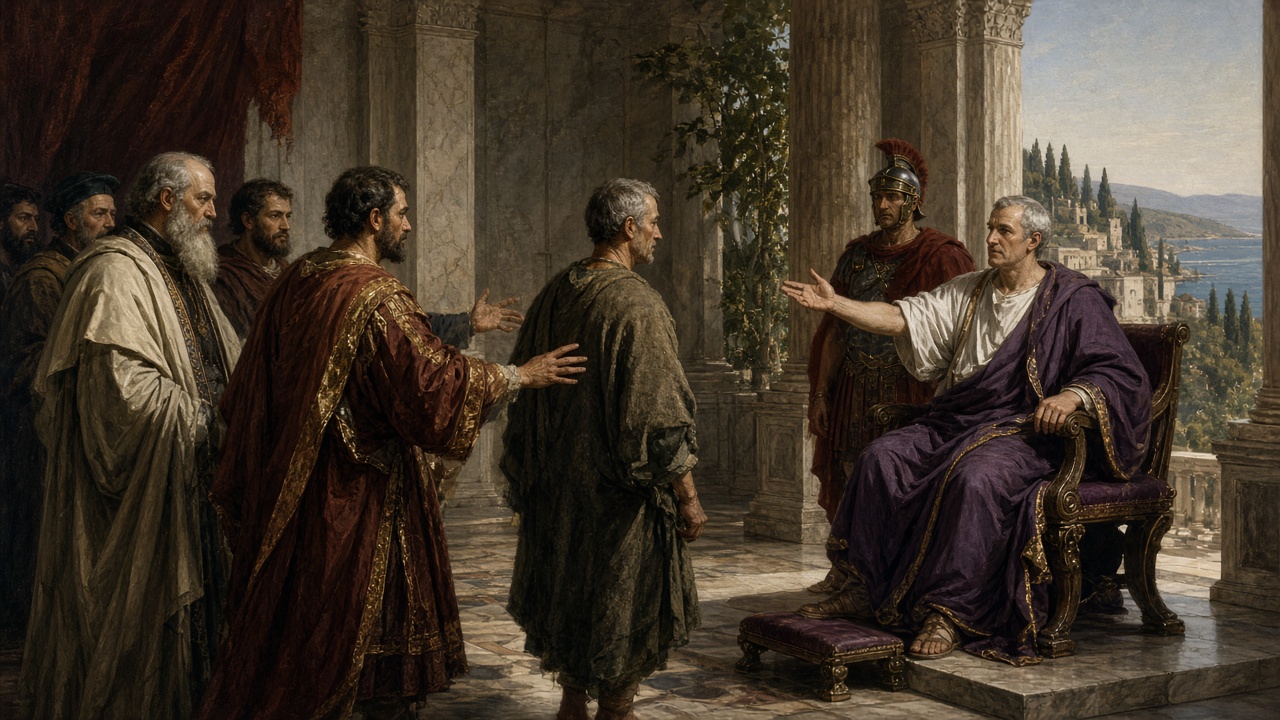
Paul before Felix
- The high priest Ananias came down with some elders and a lawyer named Tertullus, whom Easton's Bible Dictionary describes as a Roman advocate employed by the Jews to state their case against Paul before Felix. Tertullus praised the governor and then called Paul a pestilence who stirred up dissension among the Jews all over the world, a ringleader of the sect of the Nazarenes, and a man who had tried to desecrate the temple. The dictionary links that opening praise with Felix's clearing the country of bandits and impostors.Sources: the Bible text itself · Tertullus · Felix
- Felix, who was well informed about the Way, adjourned the hearing and kept Paul under guard, while allowing him some freedom and letting friends meet his needs. The account says he hoped Paul would offer a bribe and so sent for him often; Easton's Bible Dictionary likewise says he appears to have expected a bribe and therefore held several interviews with him. After two years Porcius Festus succeeded him—Easton's Bible Dictionary (1897) dates that appointment to A.D. 60—and, wishing to do the Jews a favor, Felix left Paul in prison.Sources: the Bible text itself · Felix · Portius Festus
- Several days later Felix returned with his wife Drusilla, who was Jewish, and listened as Paul spoke about faith in Christ Jesus and about righteousness, self-control, and the coming judgment; Felix became frightened and sent him away. Easton's Bible Dictionary (1897) identifies Drusilla as the third and youngest daughter of Herod Agrippa I and says Felix induced her to leave her husband, Azizus, king of Emesa. The same entry says that she and her son perished in the eruption of Mount Vesuvius in A.D. 79.Sources: the Bible text itself · Drusilla
Notes written with AI assistance from open sources (Theographic Bible Metadata, CC BY-SA 4.0; Easton’s Bible Dictionary, public domain) and reviewed before publishing.
Places in this chapter
- Caesarea · Today: Caesarea Maritima · 32.500, 34.892 · verse 1
- Jerusalem · 31.777, 35.234 · verses 11, 17
- Asia · 38.400, 28.300 · verse 18
Only places identified with high confidence are shown (90% or more according to the scholarly sources compiled by OpenBible). Period map: DARE (Digital Atlas of the Roman Empire), CC BY 4.0; modern map: © OpenStreetMap contributors; places: OpenBible.info (CC BY 4.0).
Credits and license for this translation
Xwɨyí̵á Gorɨxoyá Sɨŋí̵pɨrɨnɨ
The New Testament in the Ankave language of Papua New Guinea
Nupela Testamen long tokples Angave long Niugini
copyright © 1990 Wycliffe Bible Translators, Inc.
Language: Angave (Ankave)
Translation by: Wycliffe Bible Translators
This translation is made available to you under the terms of the
Creative Commons Attribution-Noncommercial-No Derivatives license 4.0.
You may share and redistribute this Bible translation or extracts from it in any format, provided that:
You include the above copyright and source information.
You do not sell this work for a profit.
You do not change any of the words or punctuation of the Scriptures.
Pictures included with Scriptures and other documents on this site are licensed just for use with those Scriptures and documents.
For other uses, please contact the respective copyright owners.
2012-10-03
Source: http://png.bible/aak/ · eBible.org