Acts 12
Xwɨyí̵á Gorɨxoyá Sɨŋí̵pɨrɨnɨ · Tap a verse to see its cross-references.
Mɨxɨ́ ináyɨ́ Xeroto Jemisomɨ pɨkirɨ Pitaomɨ gwɨ́ uyirɨ eŋɨ́ nánɨrɨnɨ.
1Íná Judayɨ́ mɨxɨ́ ináyɨ́ Xeroto Jisasoyá sɨyikɨ́ imónɨgɨ́áyɨ́ wíyo rɨkɨkɨrɨ́ó wikárɨnɨ nánɨ ɨ́á nɨxɨrɨrɨ 2porisɨ́ wamɨ uráná kirá tɨ́nɨ Jonomɨ xɨráo Jemisomɨ pɨkigɨ́awixɨnɨ. 3Jemisomɨ pɨkíagɨ́a nánɨ Judayɨ́ yayɨ́ yarɨŋagɨ́a nɨwɨnɨrɨ Xeroto sɨpí ámɨ bɨ nerɨ re eŋɨnigɨnɨ. Pitaomɨ enɨ ɨ́á xɨrɨŋɨnigɨnɨ. Sɨ́á Pitaomɨ ɨ́á xɨrɨŋɨ́yi tɨ́ŋíná Judayɨ́ Gorɨxo eŋíná múroŋɨ́pɨ nánɨ dɨŋɨ́ mopɨ́rɨ nánɨ bisɨ́kerɨ́á yisɨ́ mayɨ́ úrapí nimɨxɨro narɨgɨ́íná omɨ Xeroto ɨ́á xɨrɨŋɨnigɨnɨ. 4Omɨ ɨ́á nɨxɨrɨmáná re yaiwiŋɨnigɨnɨ, “Sɨ́á Aŋɨ́najo Neamúroagoɨ rɨnɨŋɨ́ rɨpɨ rɨxa pwéáná omɨ gwɨ́ aŋɨ́yo dánɨ nɨmɨxearɨ ámá nɨ́nɨ sɨŋwɨ́ anɨgɨ́e dánɨ xwɨrɨxɨ́ numerɨ pɨkíɨmɨgɨnɨ.” nɨyaiwirɨ gwɨ́ aŋɨ́yo nɨŋwɨrárɨrɨ́ná porisɨ́ awí eánɨgɨ́á biaú biaú xɨxegɨ́nɨ waú waú awí mearoayipɨ́rɨ nánɨ wárɨŋɨnigɨnɨ. 5E wáráná Pitaomɨ gwɨ́ aŋɨ́yo awí mearoarɨŋagɨ́a aí Jisasoyá sɨyikɨ́ imónɨgɨ́áyɨ́ Gorɨxo omɨ arɨrá owinɨnɨrɨ anɨŋɨ́ minɨ́ arɨ́á rɨ́á wé yarɨŋɨ́ nɨwiéra ugɨ́awixɨnɨ.
Aŋɨ́najɨ́ wo Pitaomɨ gwɨ́ aŋɨ́yo dánɨ mɨxeaŋɨ́ nánɨrɨnɨ.
6Sɨ́á Xeroto “Ayimɨ omɨ nɨmɨxearɨ ámá sɨŋwɨ́ anɨgɨ́e dánɨ xwɨrɨxɨ́ uméɨmɨgɨnɨ.” yaiwiŋɨ́yi sɨnɨ wɨ́á mónɨŋáná Pitao senɨ́á wɨrɨ́kaú nɨyárɨnɨmáná áwɨnɨmɨ sá weŋáná porisɨ́ waú mɨdɨmɨdánɨ ŋweari wa gwɨ́ aŋɨ́ ówaŋɨ́ nɨyárɨmáná bɨ́arɨwámɨ dánɨ awí roro eŋáná re eŋɨnigɨnɨ. 7Ámɨnáoyá aŋɨ́najɨ́ wo nɨrónapɨrɨ gwɨ́ aŋɨ́yo wɨ́á ókiáráná Pitaomɨ miwɨ́yo saiwiárɨ́ wimɨnɨrɨ nánɨ ayɨŋwɨ́ núrorɨ re urɨŋɨnigɨnɨ, “Joxɨ aŋɨ́nɨ wiápɨ́nɨmeaɨ.” uráná re eŋɨnigɨnɨ. Senɨ́á arɨ́kaú xegɨ́ wéyo dánɨ íkweámioaŋɨnigɨnɨ. 8Senɨ́á arɨ́kaú íkweámioáagɨ aŋɨ́najo ámɨ re urɨŋɨnigɨnɨ, “Dɨxɨ́ arerɨxɨ́ yínɨrɨ sɨkwɨ́ sú yínɨrɨ eɨ.” nurɨrɨ o rɨxa e éáná re urɨŋɨnigɨnɨ, “Dɨxɨ́ iyɨ́á nɨkɨ́kɨyinɨmɨ nɨxɨ́deɨ.” urɨ́agɨ 9gwɨ́ aŋɨ́ awámɨ dánɨ omɨ númɨ nɨpeyearɨ númɨ nurɨ́ná “Aŋɨ́najo nirɨ xwɨyɨ́á nɨrɨrɨ yarɨŋɨ́pɨ, ayɨ́ nepa rɨ́a niarɨnɨ?” mɨyaiwí “Sa orɨŋá rɨ́a wɨnɨŋɨnɨ?” nɨyaiwirɨ 10awaú porisɨ́ xɨ́o tɨ́ŋɨ́ aŋwɨ e awí rogɨ́áwamɨ múrori jɨ́amɨ awí rogɨ́áwamɨ enɨ múrori nemáná ákɨŋá ówaŋɨ́ ainɨxɨ́ tɨ́nɨ imɨxɨnɨŋɨ́namɨ —Anamɨ pɨ́nɨ nɨwiárɨmɨ nɨpeyearɨ́ná gwɨ́ aŋɨ́yo pɨ́nɨ nɨwiárɨmɨ rɨxa aŋɨ́ apɨ ikwɨ́rónɨŋɨ́pimɨ emearɨgɨ́ánarɨnɨ. Ana tɨ́ŋɨ́ e rémóáná re eŋɨnigɨnɨ. Xegɨ́pɨ ɨ́kwímɨnɨŋɨnigɨnɨ. Xegɨ́pɨ ɨ́kwímɨnáná nɨpeyeari óɨ́ wɨyimɨ nuríná re eŋɨnigɨnɨ. Aŋɨ́najo rɨxa pɨ́nɨ nɨwiárɨmɨ úáná 11Pitao xegɨ́ dɨŋɨ́ ɨ́á nɨxɨrɨrɨ re rɨnɨŋɨnigɨnɨ, “Ámɨnáo nionɨ éɨ́ nɨmínɨmɨnɨrɨ nánɨ xegɨ́ aŋɨ́najo nurowárénapɨrɨ Xeroto ‘Gɨ́ eŋɨ́ eánɨŋɨ́yo dánɨ e wikárɨ́ɨmɨgɨnɨ.’ yaiwiarɨŋɨ́pɨ pɨ́rɨ́ urakirɨ gɨ́ Judayɨ́ ‘Xeroto omɨ e wikárɨ́wɨnɨgɨnɨ.’ nɨyaiwiro dɨŋɨ́ wikwɨ́moarɨgɨ́ápɨ pɨ́rɨ́ urakirɨ nerɨ gwɨ́ aŋɨ́yo dánɨ nɨmɨxeáonɨrɨ́anɨ? Oyɨ, e níonɨrɨnɨ.” rɨnɨŋɨnigɨnɨ. 12Dɨŋɨ́ e ɨ́á nɨxɨrɨmo aŋɨ́ apɨxɨ́ Mariaíyɨ rɨnɨŋɨ́ wíyá —Ímɨ xewaxo Jonɨ Makorɨnɨ. Omɨ xɨnáí Mariaíyɨ rɨnɨŋíyá aŋɨ́ iwámɨ nánɨ nurɨ ámá obaxɨ́ aŋiwámɨ awí neánárɨmáná Gorɨxo xɨ́omɨ arɨrá owinɨnɨrɨ nánɨ yarɨŋɨ́ nɨwia warɨ́ná nɨrémorɨ 13ákɨŋá ɨ́wí mɨ́de dánɨ iwaŋɨ́ nearɨ ikaxɨ́ rɨmákíáná apɨxɨ́ wí, aŋɨ́ iwámɨ xɨnáínɨŋɨ́ nimónɨrɨ omɨŋɨ́ wiiarɨŋɨ́ wí —Í xegɨ́ yoɨ́ Rodaírɨnɨ. Í iwaŋɨ́ neánɨrɨ ikaxɨ́ rɨmákínɨ́agɨ nánɨ gorɨ́anɨrɨ sɨŋwɨ́ owɨnɨmɨnɨrɨ nurɨ 14“Goxɨrɨnɨ?” nurɨrɨ Pitaoyá maŋɨ́ umɨŋínɨ́agɨ nánɨ dɨŋɨ́ niɨ́á wíagɨ re eŋɨnigɨnɨ. Xámɨ ówaŋɨ́ mɨwɨ́kwiomeá aŋɨ́nɨ nurɨ ayá tɨ́nɨ re urɨŋɨnigɨnɨ, “Pitao ákɨŋá ówaŋɨ́yo bɨ́arɨwámɨnɨ dánɨ bɨraiwo ronɨ.” urɨ́agɨ 15ámá ayɨ́ re urɨgɨ́awixɨnɨ, “Jíxɨ xaxá nerɨ rarɨŋɨnɨ.” urɨ́agɨ́a aí í axɨ́pɨ arɨ́kí ámɨ bɨ tɨ́nɨ urarɨ́ná ayɨ́ re urayigɨ́awixɨnɨ, “Pitaoyá aŋɨ́najo rɨ́a ronɨ?” urayarɨŋagɨ́a aiwɨ 16Pitao sɨnɨ ówaŋɨ́ iwaŋɨ́ nearɨ ikaxɨ́ rɨmákiarɨŋagɨ ayɨ́ nuro ówaŋɨ́ nɨ́kwiro wɨnɨgɨ́awixɨnɨ. Pitao riwo roŋagɨ nɨwɨnɨro dɨŋɨ́ nɨyága úagɨ́a aí 17Pitao ayɨ́ xwɨyɨ́á mɨrɨpa oépoyɨnɨrɨ wé ówaŋɨ́ nuyimáná Ámɨnáo nɨwiirɨ gwɨ́ aŋɨ́yo dánɨ nɨmeámɨ nupeyearɨ́ná éɨ́pɨ nánɨ repɨyɨ́ nɨwiéra nurɨ re urɨŋɨnigɨnɨ, “Jemisomɨ tɨ́nɨ negɨ́ nɨrɨxɨ́meá imónɨgɨ́áyo tɨ́nɨ nionɨ níɨ́ apɨ nánɨ áwaŋɨ́ urɨ́ɨ́rɨxɨnɨ.” nurárɨmɨ nɨpeyearɨ mɨ nánɨ uŋɨnigɨnɨ.
18Rɨxa wɨ́á ónáná porisɨ́ Pitaomɨ awí mearoarɨgɨ́áwa o mɨŋweaŋagɨ nɨwɨnɨro “Pitao arɨge nerɨ rɨ́a uŋoɨ?” nɨrɨnɨro ayá ípɨ́pɨ́á nɨŋwɨrárɨga warɨ́ná 19mɨxɨ́ ináyɨ́ Xeroto Pitao nánɨ pɨ́á néra nurɨ pɨ́á nɨmegɨnárɨmáná porisɨ́ awí mearogɨ́á awamɨ yarɨŋɨ́ imɨmɨ́ nɨwiárɨmáná wɨ́amɨ sekaxɨ́ re urɨŋɨnigɨnɨ, “Awamɨ nɨmeámɨ nuro pɨkípoyɨ.” Sekaxɨ́ e nurɨmo Judia pɨropenɨsɨ́yo pɨ́nɨ nɨwiárɨmɨ aŋɨ́ yoɨ́ Sisaria nánɨ nɨwerɨ e urɨ́nɨŋɨnigɨnɨ.
Mɨxɨ́ ináyɨ́ Xeroto peŋɨ́ nánɨrɨnɨ.
20Xeroto ámá Taia ŋweáyo tɨ́nɨ Saidonɨ ŋweáyo tɨ́nɨ wikɨ́ bɨ onɨmiápɨ mɨwónɨ́ ayá wí wónarɨŋagɨ wigɨ́ wí awí neánárɨmáná o ŋweaŋe nánɨ nɨbɨro xámɨ Xerotoyá gapɨmanɨ́ seáyɨ e imónɨgɨ́á wo tɨ́nɨ —O xegɨ́ yoɨ́ Bɨrasɨtasorɨnɨ. O tɨ́nɨ xámɨ Xeroto wikɨ́ wónarɨŋɨ́pɨ nánɨ xwɨyɨ́á nimɨxɨro re urɨgɨ́awixɨnɨ, “Joxɨ Xeroto wikɨ́ neaónarɨŋɨ́pɨ nánɨ omɨ xwɨyɨ́á nɨneaurɨyirɨ pɨyɨ́á neawɨ́riɨ. Ámá dɨxɨ́ mɨxɨ́ ináyomɨ sɨmaŋwɨ́yónɨŋɨ́ wurɨ́nɨgɨ́áyo aiwá bɨ́ yarɨŋwáone eŋagɨ nánɨ rɨrarɨŋwɨnɨ.” uráná o re urɨŋɨnigɨnɨ, “Soyɨ́né tɨ́nɨ nawínɨ nɨrorane seaurɨyimɨ́árɨnɨ.” urɨ́agɨ awa wenɨŋɨ́ nero ŋweaŋáná 21sɨ́á Xeroto xwɨyɨ́á imɨxɨnɨ́a nánɨ rárɨŋɨ́yi parɨmóáná o mɨxɨ́ ináyowa yínarɨgɨ́ápɨ okiyɨ́á ninɨmáná xegɨ́ siá íkwiaŋwɨ́ seáyɨ e imɨxɨnɨŋɨ́namɨ nɨŋwearɨ xwɨyɨ́á rɨrɨmɨ́ wiarɨ́ná 22ámá awí eánɨgɨ́áyɨ́ rɨ́aiwá nɨrɨro re rayigɨ́awixɨnɨ, “Xwɨyɨ́á apɨ ámá woyá mɨrɨnarɨnɨnɨ. Apɨ aŋɨ́namɨ dáŋɨ́ ŋwɨ́á imónɨŋɨ́ woyánɨŋɨ́ rɨnarɨnɨ.” rayarɨ́ná re eŋɨnigɨnɨ. 23Ayɨ́ urarɨgɨ́ápɨ nánɨ xewanɨŋo pɨ́rɨ́ nɨrakínɨrɨ “Gorɨxomɨnɨ seáyɨ e numerɨ rɨ́poyɨ.” murɨpa éagɨ nánɨ Gorɨxoyá aŋɨ́najɨ́ wo rɨ́nɨŋɨ́ wíáná agwɨ́ ayɨŋwɨ́ norɨ́ná pɨyɨ́ omoŋɨnigɨnɨ.
24E nerɨ aí xwɨyɨ́á Ámɨnáoyá surɨ́má mimónɨ́ sɨnɨ nɨrɨga nurɨ nánɨ ámá obaxɨ́ nɨkumɨxɨga ugɨ́awixɨnɨ.
25Banabaso tɨ́nɨ Soro tɨ́nɨ awaúmɨ nɨgwɨ́ rɨpɨ negɨ́ nɨrɨxɨ́meá imónɨgɨ́á Jerusaremɨ ŋweagɨ́áyo mɨnɨ wíisixɨnɨrɨ wiowárɨgɨ́ápɨ rɨxa nɨyárɨmáná Jonɨ Makomɨ nɨwirɨmeámɨ Jerusaremɨ pɨ́nɨ nɨwiárɨmɨ ámɨ Adiokɨ nánɨ yigɨ́awixɨnɨ.
Did you know?
Peter's escape and Herod's death
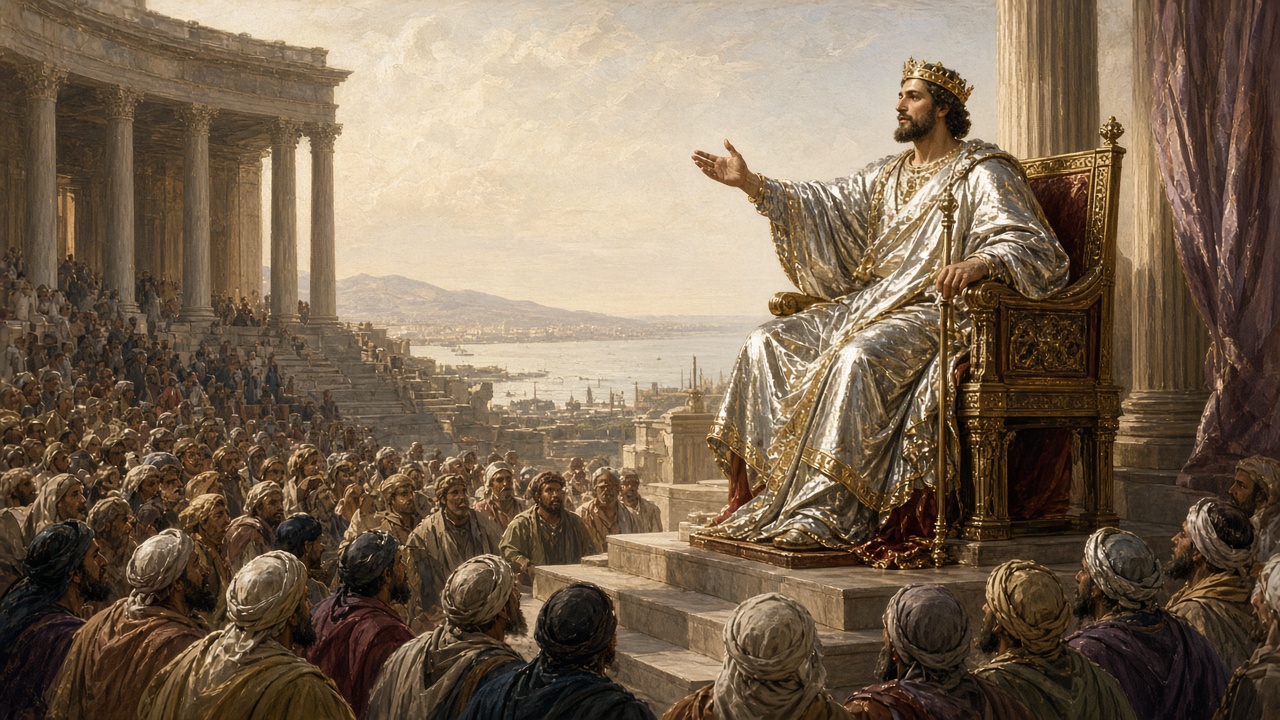
- The King Herod of this chapter is Herod Agrippa I, grandson of Herod the Great, who in time held his grandfather's entire kingdom and the title of king. He put James to death and imprisoned Peter. Easton's Bible Dictionary (1897) says that on the second day of a festival honoring the emperor Claudius, Agrippa appeared in the great theatre at Caesarea wearing magnificent silver robes; it was early in the day, and the sun's rays dazzled those who saw him.Sources: Herod Agrippa I · the Bible text itself
- The James killed with the sword was James the son of Zebedee, brother of the apostle John, a fisherman who had worked in partnership with Peter. Easton's Bible Dictionary (1897) calls him the first of the apostles to be put to death and says that Herod Agrippa had him beheaded. The James whom Peter tells the believers to notify is another man: the same dictionary identifies him as the James who headed the church in Jerusalem.Sources: James (Son of Zebedee) · James (Brother of Jesus) · the Bible text itself
- Once he knew he was free, Peter went to the house of Mary, mother of John Mark, in Jerusalem, which Easton's Bible Dictionary (1897) calls a common meeting place of the disciples; many people were gathered there praying. The servant who came to the outer gate was Rhoda, a name that means a rose; overjoyed at his voice, she ran inside to announce him and forgot to open the gate. John, also called Mark, was Mary's son—Mark, his Roman name, gradually replaced the Jewish name John—and he later left Jerusalem with Barnabas and Saul.Sources: Mary (Mother of John Mark) · Rhoda · John Mark · the Bible text itself
Notes written with AI assistance from open sources (Theographic Bible Metadata, CC BY-SA 4.0; Easton’s Bible Dictionary, public domain) and reviewed before publishing.
Places in this chapter
- Caesarea · Today: Caesarea Maritima · 32.500, 34.892 · verse 19
- Judea · Today: Judea 1 · 31.777, 35.234 · verse 19
- Sidon · Today: Sandikli archaeological site in Sidon · 33.561, 35.372 · verse 20
- Tyre · 33.271, 35.196 · verse 20
- Jerusalem · 31.777, 35.234 · verse 25
Only places identified with high confidence are shown (90% or more according to the scholarly sources compiled by OpenBible). Period map: DARE (Digital Atlas of the Roman Empire), CC BY 4.0; modern map: © OpenStreetMap contributors; places: OpenBible.info (CC BY 4.0).
Credits and license for this translation
Xwɨyí̵á Gorɨxoyá Sɨŋí̵pɨrɨnɨ
The New Testament in the Ankave language of Papua New Guinea
Nupela Testamen long tokples Angave long Niugini
copyright © 1990 Wycliffe Bible Translators, Inc.
Language: Angave (Ankave)
Translation by: Wycliffe Bible Translators
This translation is made available to you under the terms of the
Creative Commons Attribution-Noncommercial-No Derivatives license 4.0.
You may share and redistribute this Bible translation or extracts from it in any format, provided that:
You include the above copyright and source information.
You do not sell this work for a profit.
You do not change any of the words or punctuation of the Scriptures.
Pictures included with Scriptures and other documents on this site are licensed just for use with those Scriptures and documents.
For other uses, please contact the respective copyright owners.
2012-10-03
Source: http://png.bible/aak/ · eBible.org