2 Corinthians 4
Xwɨyí̵á Gorɨxoyá Sɨŋí̵pɨrɨnɨ · Tap a verse to see its cross-references.
“Wáɨ́ urarɨŋwápimɨ dánɨ Gorɨxo wɨ́á wókímɨxarɨŋɨ́rɨnɨ.” urɨŋɨ́ nánɨrɨnɨ.
1Ayɨnánɨ Gorɨxo wá nɨneawianɨrɨŋɨ́pimɨ dánɨ xɨ́o imónɨŋɨ́pɨ nánɨ ámáyo sɨwánɨŋɨ́ winɨ́wanɨgɨnɨrɨ nearɨ́peáagɨ nánɨ sɨnɨ anɨŋɨ́ ayá rɨ́á neawearɨnɨ. 2E nerɨ aí ámá ayá neainɨnɨgɨnɨrɨ ínɨmɨ yarɨgɨ́ápɨ wí “Ananɨ oyaneyɨ.” rarɨŋwámanɨ. Ináyɨ́nɨŋɨ́ nimónɨrɨ yapɨ́ owiepɨsaneyɨnɨrɨ wí yarɨŋwámanɨ. Xwɨyɨ́á Gorɨxoyápɨ enɨ nɨrɨranéná naíroayirɨ nerɨ rarɨŋwámanɨ. Apɨ apɨ mepa nerane sa xwɨyɨ́á nepaxɨŋɨ́ imónɨŋɨ́pɨ sɨŋánɨ wɨ́á rókiamoarɨŋagwɨ ámá e sɨŋwɨ́ nɨneanɨróná “Awa apánɨ yarɨŋoɨ.” neaiaiwipɨ́rɨ́a nánɨ Gorɨxoyá sɨŋwɨ́ neanɨŋe dánɨ e yarɨŋwárɨnɨ. 3Xwɨyɨ́á yayɨ́ neainarɨŋɨ́ none wáɨ́ urarɨŋwápɨ rɨtɨ́nɨŋɨ́ nɨwinɨrɨ́náyɨ́, sa ámá anɨ́nanɨro yarɨgɨ́áyo rɨtɨ́nɨŋɨ́ winarɨŋɨ́rɨnɨ. 4Ayɨ́ rɨpɨ nánɨ rɨtɨ́nɨŋɨ́ winarɨŋɨ́rɨnɨ. Xwɨyɨ́á Kiraiso —O pí pí Gorɨxo imónɨŋɨ́pɨ tɨ́nɨ xɨxenɨ axɨ́pɨ imónɨŋorɨnɨ. Xwɨyɨ́á o wá nɨneawianɨrɨ seáyɨ e imónɨŋɨ́ neaiiŋɨ́pɨ wɨ́á neaókímɨxarɨŋɨ́rɨnɨ. Xwɨyɨ́á yayɨ́ neainarɨŋɨ́ apɨ nánɨpɨ ámá Kiraisomɨ dɨŋɨ́ mɨwɨkwɨ́ró anɨ́nanɨro nánɨ yarɨgɨ́áyo wɨ́á mɨwókímɨxɨpa oenɨrɨ wigɨ́ ŋwɨ́á imónɨŋo —O, ayɨ́ oborɨnɨ. O dɨŋɨ́ pɨ́rɨpɨ́rɨ́ wiŋɨ́ eŋagɨ nánɨ xwɨyɨ́á apɨ rɨtɨ́nɨŋɨ́ winarɨŋɨ́rɨnɨ. 5None wáɨ́ nurɨranéná newanɨŋone seáyɨ e oimónaneyɨnɨrɨ nánɨ wáɨ́ urarɨŋwámanɨ. Jisasɨ Kiraiso nánɨ “Negɨ́ Ámɨnáorɨnɨ.” urɨrane none nánɨ “Jisasomɨ xɨ́darɨŋwá eŋagɨ nánɨ segɨ́ sénáíwanénɨŋɨ́ nimónɨrane omɨŋɨ́ seaiiarɨŋwáone imónɨŋwɨnɨ.” urɨrane yarɨŋwárɨnɨ. 6Ayɨ́ rɨpɨ nánɨ e yarɨŋwárɨnɨ. Gorɨxo —O amɨpí nɨ́nɨ iwamɨ́ó nimɨxɨrɨ́ná “Sɨ́á yɨkiárɨŋɨ́pɨ wɨ́á oónɨnɨ.” rɨŋorɨnɨ. Rɨpɨ yarɨŋo, ayɨ́ enɨ axorɨnɨ. O wá nɨneawianɨrɨ seáyɨ e neaiiŋɨ́pɨ —Apɨ Kiraisoyá sɨ́mɨmaŋɨ́yo dánɨ xwɨnɨ́ánɨŋɨ́ neaeámɨxarɨŋɨ́pɨrɨnɨ. Apɨ nánɨ nɨjɨ́á oimónɨ́poyɨnɨrɨ negɨ́ dɨŋɨ́yo wɨ́á neaókímɨxɨŋɨ́rɨnɨ. E neaiiŋo, ayɨ́ axo eŋagɨ nánɨ rarɨŋɨnɨ.
“Xeanɨŋɨ́ neaímeaarɨŋagɨ aí wáɨ́ ranɨ nánɨ sɨnɨ ayá rɨ́á neawearɨnɨ.” urɨŋɨ́ nánɨrɨnɨ.
7Wáɨ́ nurɨmeíɨ́rɨxɨnɨrɨ nearɨ́peaŋɨ́pɨ, ayɨ́ ayá tɨ́ŋɨ́pɨ́nɨŋɨ́ imónɨŋɨ́pɨrɨnɨ. Apɨ tɨ́ŋwáone eŋɨ́ meánɨ́ xwárɨ́á sɨxɨ́ xwɨ́á tɨ́nɨ imɨxɨnɨŋɨ́nɨŋɨ́ nimónɨrane samɨŋɨ́ imónɨŋwáonerɨnɨ. Ámá arɨ́á nɨneairóná re yaiwipɨ́rɨ nánɨ e imónɨŋwáonerɨnɨ, “Eŋɨ́ eánɨŋɨ́ seáyɨ e imónɨŋɨ́ xwɨyɨ́á yayɨ́ neainarɨŋɨ́pimɨ dánɨ neaímeáɨ́pɨ wáɨ́ rɨmearɨgɨ́áwayámanɨ. Sa Gorɨxoyárɨnɨ.” yaiwipɨ́rɨ nánɨ samɨŋɨ́ e imónɨŋwáonerɨnɨ. 8Xeanɨŋɨ́ xɨxegɨ́nɨ neaikárarɨŋagɨ aiwɨ sumínɨŋɨ́ imónɨŋwáonemanɨ. Waíná neaímeáɨ́pɨ nánɨ ududɨ́ neainarɨŋagɨ aiwɨ negɨ́ dɨŋɨ́ anɨŋɨ́ nɨyoámɨga mɨneauŋonerɨnɨ. 9Ámá wí mɨxɨ́ neaxɨ́dowárɨ́agɨ́a aiwɨ Gorɨxo wí neaiepɨsamoarɨŋonemanɨ. Iwaŋɨ́ nɨneaearɨ neatɨ́agɨ́a aiwɨ anɨŋɨ́ eanɨramorɨ wearɨŋwáonemanɨ. 10Íníná wáɨ́ nɨrɨmeranéná rɨpɨ nɨyaiwirane yarɨŋwáonerɨnɨ, “Negɨ́ Jisasomɨ pɨkigɨ́ápa none enɨ nɨneapɨkirɨ́náyɨ́, ananɨrɨnɨ.” nɨyaiwirane yarɨŋwáonerɨnɨ. Ámáyɨ́ none e yarɨŋagwɨ sɨŋwɨ́ nɨneanɨróná “Jisaso nɨperɨ aiwɨ ámɨ sɨŋɨ́ nimónɨrɨ ŋweaŋagɨ nánɨ rɨ́a yarɨŋoɨ?” yaiwipɨ́rɨ nánɨ apɨ e yarɨŋwáonerɨnɨ. 11Íníná xwɨ́á tɨ́yo amɨ gɨmɨ nemeranéná Jisasomɨ xɨ́darɨŋwáone eŋagɨ nánɨ yoɨ́ mayɨ́ nimónɨrane emearɨŋwárɨnɨ. Ámáyɨ́ wará pepaxɨ́ tɨ́ŋɨ́ imónɨŋwáone yoɨ́ mayɨ́ nimónɨrɨ yarɨŋagwɨ nɨneanɨróná “Jisaso ámɨ sɨŋɨ́ nimónɨrɨ aŋɨ́namɨ ŋweaŋagɨ nánɨ rɨ́a yarɨŋoɨ?” yaiwipɨ́rɨ nánɨ e nimónɨrɨ emearɨŋwárɨnɨ. 12Ayɨnánɨ rɨpɨ rɨpaxɨ́rɨnɨ, “None wáɨ́ nɨrɨmeranéná nɨneaxeanɨpaxɨ́ imónɨŋwáonerɨnɨ. E nerɨ aí e imónɨŋwápimɨ dánɨ seyɨ́né rɨxa dɨŋɨ́ nɨyɨmɨŋɨ́ tɨ́gɨ́áyɨ́né imónɨŋoɨ.” rɨpaxɨ́rɨnɨ.
13Ámá wo, Bɨkwɨ́yo dánɨ “Nionɨ Gorɨxomɨ dɨŋɨ́ nɨwɨkwɨ́rorɨ nánɨ ámáyo urɨŋanigɨnɨ.” rɨnɨŋo dɨŋɨ́ wɨkwɨ́roagɨ́pa none enɨ axɨ́pɨ e wɨkwɨ́roarɨŋwáonerɨnɨ. Ayɨnánɨ Jisasomɨ dɨŋɨ́ nɨwɨkwɨ́rorane nánɨ xwɨyɨ́á yayɨ́ neainarɨŋɨ́pɨ ámáyo wáɨ́ urarɨŋwárɨnɨ. 14Nɨjɨ́á re imónɨŋagwɨ nánɨ wáɨ́ urarɨŋwárɨnɨ. Ámɨná Jisaso xwárɨpáyo dánɨ owiápɨ́nɨmeanɨrɨ sɨŋɨ́ wimɨxɨŋo none enɨ xɨ́omɨ sɨŋɨ́ wimɨxɨŋɨ́pa axɨ́pɨ sɨŋɨ́ nɨneaimɨxɨrɨ seyɨ́né tɨ́nɨ nawínɨ gwiaumɨ́ nɨneairɨ Jisaso tɨ́ŋɨ́ e neawárɨnɨ́árɨnɨ. Nɨjɨ́á e imónɨŋagwɨ nánɨ wáɨ́ urarɨŋwárɨnɨ. 15Ayɨ́ seyɨ́né naŋɨ́ oseaiianeyɨnɨrɨ nánɨ yoɨ́ mayɨ́ imónɨrane neaxeanɨpaxɨ́ imónɨrane yarɨŋwárɨnɨ. Ámá Gorɨxoyá xɨ́o wá nɨwianɨrɨŋɨ́pimɨ dánɨ sayá nimóga nuróná ayɨ́ omɨ yayɨ́ ayá wí nɨwiéra warɨgɨ́ápimɨ dánɨ “Gorɨxo seáyɨ e imónɨŋorɨ́anɨ?” wiaiwipaxɨ́ imónɨ́wɨnɨgɨnɨrɨ yoɨ́ mayɨ́ imónɨrane neaxeanɨpaxɨ́ imónɨrane yarɨŋwárɨnɨ.
“Aŋɨ́namɨ dánɨ neaímeanɨ́ápɨ sɨ́mɨmaŋɨ́ e nɨtɨnɨrane nánɨ dɨŋɨ́ sɨxɨ́ ínarɨŋwárɨnɨ.” urɨŋɨ́ nánɨrɨnɨ.
16None apɨ nánɨ dɨŋɨ́ nɨmorane nánɨ Kiraiso nánɨ wáɨ́ uranɨ nánɨ sɨnɨ ayá rɨ́á neawearɨnɨ. Negɨ́ warápɨ xeanɨŋɨ́ neaímeaarɨŋɨ́pimɨ dánɨ rɨxa sɨpí nimóga warɨŋagɨ aí dɨŋɨ́pɨnɨ sɨ́á ayɨ́ ayo sɨŋɨ́ bɨ sɨxɨ́ ínarɨŋɨ́rɨnɨ. 17Ayɨ́ rɨpɨ nánɨ sɨ́á ayɨ́ ayo negɨ́ dɨŋɨ́pɨ sɨŋɨ́ bɨ sɨxɨ́ ínarɨŋɨ́rɨnɨ. Xeanɨŋɨ́ agwɨ ríná neaímeáɨ́pimɨ xwámámɨ́ nɨwiéra úwáyɨ́ nánɨ Gorɨxo yeáyɨ́ nɨneayimɨxemearɨ́ná seáyɨ e imónɨŋɨ́pɨ neaiinɨ́árɨnɨ. Apɨ nánɨ dɨŋɨ́ nɨmoranéná “Xeanɨŋɨ́ none neaímeaarɨŋɨ́pɨ axíná ná bɨnɨ́nɨŋɨ́ neaímearɨ onɨmiápiánɨŋɨ́ neaímearɨ yarɨŋɨ́rɨ́anɨ?” nɨyaiwirane peayɨ́ wianarɨŋwárɨnɨ. “Sa sɨpí agwɨ ríná neaímeaarɨŋɨ́pɨ nánɨ dɨŋɨ́ arɨ́á ikeamopaxɨ́pɨ tɨ́nɨ xɨxenɨ Gorɨxo naŋɨ́ neaiinɨ́ámanɨ. Ámɨ wiárɨ́ imónɨŋɨ́ bɨ tɨ́nɨ neaiinɨ́árɨnɨ.” yaiwiarɨŋwárɨnɨ. 18Ayɨ́ sɨpí agwɨ ríná neaímeaarɨŋɨ́pɨ —Apɨ sɨŋwɨ́ tɨ́nɨ sɨŋwɨ́ wɨnɨpaxɨ́ imónɨŋɨ́pɨrɨnɨ. Apimɨ sɨŋwɨ́ nɨwɨnɨranéná e yaiwiarɨŋwámanɨ. Amɨpí rɨ́wɨ́yo Gorɨxo yeáyɨ́ nɨneayimɨxemearɨ́ná neaímeanɨ́ápɨ —Apɨ agwɨ nene sɨŋwɨ́ tɨ́nɨ sɨŋwɨ́ wɨnɨpaxɨ́ mimónɨŋɨ́pɨrɨnɨ. Apɨ sɨ́mɨmaŋɨ́ e nɨtɨnɨrɨ́ná e yaiwiarɨŋwárɨnɨ. Ayɨ́ rɨpɨ nánɨ rarɨŋɨnɨ. Sɨŋwɨ́ tɨ́nɨ agwɨ ríná wɨnarɨŋwápɨ anɨŋɨ́ marɨ́áɨ bɨ onɨmiápɨ imónɨnɨ́árɨnɨ. E nerɨ aí agwɨ ríná sɨŋwɨ́ tɨ́nɨ mɨwɨnarɨŋwápɨ íníná anɨŋɨ́ imónɨnɨ́á eŋagɨ nánɨ rarɨŋɨnɨ.
Did you know?
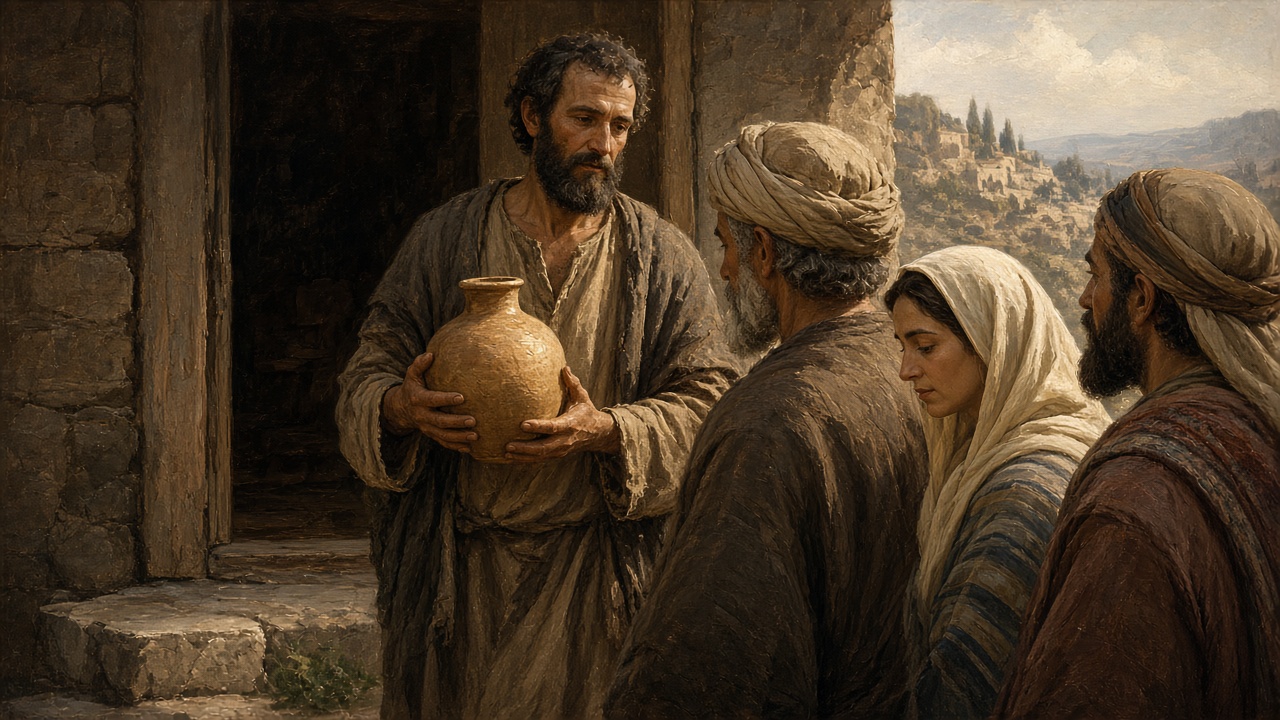
Treasure in Jars of Clay
- In this chapter the speakers say that, because God in his mercy has given them this ministry, they do not lose heart. They have renounced secret and shameful ways: they do not practice deceit or distort the word of God, but by the open proclamation of the truth they commend themselves to every person's conscience in the sight of God.Sources: the Bible text itself
- Their message is pictured as a treasure held in jars of clay, so that this surpassingly great power is shown to be from God and not from them. The same contrast runs through their hardships: hard pressed on all sides but not crushed, perplexed but not in despair, persecuted but not forsaken, struck down but not destroyed.Sources: the Bible text itself
- Light is the chapter's other central image. God, who said, "Let light shine out of darkness," is said to have shone his light in their hearts to give the light of the knowledge of the glory of God in the face of Jesus Christ. They proclaim not themselves but Jesus Christ as Lord, and themselves as servants of those they address, for Jesus' sake; if the gospel is veiled, the text says it is veiled to those who are perishing, whose minds "the god of this age" has blinded.Sources: the Bible text itself
Notes written with AI assistance from open sources (Theographic Bible Metadata, CC BY-SA 4.0; Easton’s Bible Dictionary, public domain) and reviewed before publishing.
Credits and license for this translation
Xwɨyí̵á Gorɨxoyá Sɨŋí̵pɨrɨnɨ
The New Testament in the Ankave language of Papua New Guinea
Nupela Testamen long tokples Angave long Niugini
copyright © 1990 Wycliffe Bible Translators, Inc.
Language: Angave (Ankave)
Translation by: Wycliffe Bible Translators
This translation is made available to you under the terms of the
Creative Commons Attribution-Noncommercial-No Derivatives license 4.0.
You may share and redistribute this Bible translation or extracts from it in any format, provided that:
You include the above copyright and source information.
You do not sell this work for a profit.
You do not change any of the words or punctuation of the Scriptures.
Pictures included with Scriptures and other documents on this site are licensed just for use with those Scriptures and documents.
For other uses, please contact the respective copyright owners.
2012-10-03
Source: http://png.bible/aak/ · eBible.org