1 Timothy 6
Xwɨyí̵á Gorɨxoyá Sɨŋí̵pɨrɨnɨ · Tap a verse to see its cross-references.
Ámá xɨnáíwánɨŋɨ́ nimónɨro omɨŋɨ́ wiiarɨgɨ́áyɨ́ nánɨrɨnɨ.
1Ámá xɨnáíwánɨŋɨ́ nimónɨro omɨŋɨ́ wiiarɨgɨ́áyɨ́ wigɨ́ bosowa nánɨ “Awamɨ wéyo umerane xɨxenɨ arɨ́á yɨ́mɨgɨ́ wirane epaxowarɨ́anɨ?” nɨyaiwiro apɨ e wiíɨ́rɨxɨnɨ. Awa Gorɨxo nánɨ sɨpí mɨrɨpa ero none ámáyo uréwapɨyarɨŋwápɨ nánɨ sɨpí mɨrɨpa ero oépoyɨnɨrɨ rɨrarɨŋɨnɨ. 2Go go xegɨ́ boso Jisasomɨ dɨŋɨ́ wɨkwɨ́roarɨŋɨ́ wo eŋánáyɨ́, dɨŋɨ́ re nɨwiaiwirɨ paimɨmɨ́ mɨwipa éwɨnɨgɨnɨ, “Xɨ́o enɨ gɨ́ Jisasomɨ dɨŋɨ́ wɨkwɨ́roarɨgwɨ́í wo eŋagɨ nánɨ sa gɨ́ nɨrɨxɨ́meánɨŋɨ́ imónɨŋɨ́ worɨ́anɨ?” E nɨwiaiwirɨ paimɨmɨ́ mɨwipa nerɨ rɨpɨnɨ yaiwíwɨnɨgɨnɨ, “Gɨ́ bosɨ́ omɨŋɨ́ wiiarɨŋáo Jisasomɨ dɨŋɨ́ wɨkwɨ́roarɨŋɨ́ wo imónɨrɨ Gorɨxo dɨŋɨ́ sɨxɨ́ uyarɨŋɨ́ wo imónɨrɨ eŋo eŋagɨ nánɨ arɨ́á yɨ́mɨgɨ́ nɨwirɨ omɨŋɨ́ owiimɨnɨ.” yaiwíwɨnɨgɨnɨ. Xɨnáíwánɨŋɨ́ nimónɨrɨ omɨŋɨ́ wiiarɨgɨ́áyɨ́ nánɨ rɨrarɨŋápimɨ dánɨ sɨyikɨ́ Jisasoyá imónɨgɨ́á joxɨ tɨ́ŋɨ́ e ŋweagɨ́áyo uréwapɨyirɨ eŋɨ́ rɨrémɨxɨ́ wirɨ éɨrɨxɨnɨ.
Mimónɨ́ uréwapɨyarɨgɨ́áyɨ́ nánɨrɨnɨ.
3Ámá go go xwɨyɨ́á nionɨ rɨrarɨŋápɨ marɨ́áɨ, xegɨ́ bɨ imónɨŋɨ́pɨ —Apɨ xwɨyɨ́á píránɨŋɨ́ réwapɨ́nɨgɨ́ápɨ tɨ́nɨ xɨxenɨ mimónɨŋɨ́pɨrɨnɨ. Xwɨyɨ́á negɨ́ Ámɨná Jisasɨ Kiraiso rɨŋɨ́pɨ tɨ́nɨ xɨxenɨ mimónɨŋɨ́pɨrɨnɨ. “Gorɨxomɨ píránɨŋɨ́ nɨxɨ́dɨrɨ́ná epaxɨ́, ayɨ́ apɨrɨnɨ.” rɨnɨŋɨ́pɨ tɨ́nɨ xɨxenɨ mimónɨŋɨ́pɨrɨnɨ. Xwɨyɨ́á xegɨ́ bɨ imónɨŋɨ́ apɨ ɨ́á xɨrarɨŋɨ́ go go 4wárí nimónɨrɨ aí aga nɨjɨ́á naŋɨ́ bɨ mimónɨŋorɨnɨ. O xwɨyɨ́á rɨrowiámɨ́ inarɨgɨ́ápɨ nánɨ wí tɨ́nɨ orɨnaneyɨnɨrɨ sɨ́mɨ́ xeadɨ́pénarɨŋɨ́rɨnɨ. Xwɨyɨ́á xɨmɨxɨmɨ́ ninɨro rarɨgɨ́ápɨ nánɨ enɨ wí tɨ́nɨ orɨnaneyɨnɨrɨ sɨ́mɨ́ xeadɨ́pénarɨŋɨ́rɨnɨ. E yarɨŋɨ́pimɨ dánɨ ámá sɨpí dɨŋɨ́ yaiwinɨro xwɨyɨ́á mɨxɨmɨxeawiámɨ́ inɨro ikayɨ́wɨ́ rɨnɨro anɨdɨŋɨ́ yaiwinɨro 5xɨxewiámɨ́ rɨnɨro yarɨgɨ́árɨnɨ. Ámá e yarɨgɨ́áyɨ́ dɨŋɨ́ xeyánɨŋɨ́ imónɨro xwɨyɨ́á Jisaso nánɨ nepaxɨŋɨ́ imónɨŋɨ́pɨ bɨ sɨnɨ mɨxénɨŋɨ́ imónɨro egɨ́áyɨ́rɨnɨ. Xeŋwɨ́nɨ re yaiwiarɨgɨ́árɨnɨ, “Gorɨxomɨ nɨxɨ́dɨrɨŋɨ́pimɨ dánɨ amɨpí xwé meapɨ́rɨ́a nánɨrɨnɨ.” yaiwiarɨgɨ́árɨnɨ.
“Ɨ́á xɨrɨŋápɨ apánɨrɨnɨ.” yaiwiarɨgɨ́áyɨ́ tɨ́nɨ e mɨyaiwiarɨgɨ́áyɨ́ tɨ́nɨ nánɨ urɨŋɨ́ nánɨrɨnɨ.
6Ayɨ́ e yaiwiarɨŋagɨ́a aí ámá “Amɨpí nionɨ ɨ́á xɨrɨŋápɨ, ayɨ́ apánɨrɨnɨ.” yaiwiarɨgɨ́áyɨ́ Gorɨxomɨ nɨxɨ́dɨrɨŋɨ́pimɨ dánɨ amɨpí Gorɨxo “E wiíɨmɨgɨnɨ.” yaiwiárɨŋɨ́pɨ wí mɨmúrónɨgɨ́áyɨ́rɨnɨ. 7Inókíwa neaxɨrɨgɨ́e dánɨ amɨpí wí tɨ́ŋɨ́ imónɨŋwaéne ɨ́á neaxɨrɨgɨ́áranɨ? Péwaé dánɨ enɨ amɨpí wí nɨmeámɨ wanɨ́wáranɨ? Oweoɨ. 8Ayɨnánɨ sa aiwá nanɨ nánɨranɨ, aikɨ́ yínanɨ nánɨranɨ, apánɨ eŋánáyɨ́, dɨŋɨ́ re oyaiwianeyɨ, “Nene ɨ́á xɨrɨŋwápɨ ayɨ́ apánɨrɨnɨ.” oyaiwianeyɨ. 9E nerɨ aí ámá amɨpí wí mɨnɨmúropa oenɨrɨ yarɨgɨ́áyɨ́ re yarɨgɨ́árɨnɨ. Amɨpí wí nánɨnɨ ayá sɨ́wɨ́ nurorɨ́ná mɨŋɨ́ sɨxɨ́ nínɨrɨŋɨ́pimɨ dánɨ wiwanɨŋɨ́yɨ́ mɨ́réyónɨŋɨ́ pɨkínarɨgɨ́árɨnɨ. Ayɨ́ majɨ́á nikárɨnɨro amɨpí rɨ́wéná xeanɨŋɨ́ wímeapaxɨ́ imónɨŋɨ́pɨ nánɨ íkɨ́nɨŋɨ́ sɨpí wiarɨŋɨ́rɨnɨ. Maiwí e néra núɨ́asáná rɨ́wéná sɨwá nerɨ piéropɨ́rɨ́árɨnɨ. 10Ayɨ́ rɨpɨ nánɨ rarɨŋɨnɨ. Ámá nɨgwɨ́ nánɨnɨ dɨŋɨ́ sɨpí nɨwirɨ́ná ayɨ́ ɨ́wɨ́ xɨxegɨ́nɨ oépoyɨnɨrɨ wipemearɨŋɨ́rɨnɨ. Ámá wí nɨgwɨ́ nánɨnɨ íkɨ́nɨŋɨ́ sɨpí nɨwirɨŋɨ́pimɨ dánɨ xwɨyɨ́á nene dɨŋɨ́ ɨkwɨ́roarɨŋwápɨ rɨxa pɨ́nɨ nɨwiárɨmɨ majɨmajɨ́á néra xeŋwɨ́mɨ nuro rɨ́nɨŋɨ́ meárɨnarɨŋagɨ́a nánɨ rarɨŋɨnɨ.
“Píránɨŋɨ́ nerɨ dɨŋɨ́ nɨyɨmɨŋɨ́pɨ xaíwɨ́ ɨ́á maxɨrɨ́ɨrɨxɨnɨ.” urɨŋɨ́ nánɨrɨnɨ.
11“Gorɨxo ‘Timotio e éwɨnɨgɨnɨ.’ wimónarɨŋɨ́pɨ tɨ́nɨ xɨxenɨ oemɨnɨ.” yaiwiarɨŋoxɨ, sɨpí apimɨ píránɨŋɨ́ éɨ́ menɨ́ɨrɨxɨnɨ. E nerɨ́ná “Wé rónɨŋɨ́ imónɨŋɨ́pɨnɨ oemɨnɨ.” yaiwirɨ “Gorɨxomɨ píránɨŋɨ́ nɨxɨ́dɨrɨ́ná epaxɨ́pɨnɨ oemɨnɨ.” yaiwirɨ “Omɨ anɨŋɨ́ dɨŋɨ́ owɨkwɨ́rómɨnɨ.” yaiwirɨ “Ámáyo dɨŋɨ́ sɨpí owimɨnɨ.” yaiwirɨ “Pí pí nímeáɨ́pɨ xwámámɨ́ oemɨnɨ.” yaiwirɨ “Ámáyo nɨpɨyinɨ́ owimɨnɨ.” yaiwirɨ éɨrɨxɨnɨ. 12Joxɨ Jisasomɨ dɨŋɨ́ nɨwɨkwɨ́rorɨ́ná ámá “Xɨ́o xopɨrárɨ́ ninɨrɨ́enɨŋoɨ?” nɨyaiwinɨri eŋɨ́ neánɨrɨ eŋɨ́ menarɨgɨ́ípa axɨ́pɨ éɨrɨxɨnɨ. E nerɨ dɨŋɨ́ nɨyɨmɨŋɨ́ joxɨ e oimónɨrɨ wéyo ɨ́á rumɨrɨŋɨ́pɨ xaíwɨ́ ɨ́á maxɨrɨ́ɨrɨxɨnɨ. Joxɨ naŋɨ́ imónɨŋɨ́ dɨŋɨ́ wɨkwɨ́roŋɨ́pɨ rɨxa ámá obaxɨ́ arɨ́á egɨ́e dánɨ waropárɨ́ wiŋɨ́ eŋagɨ nánɨ rɨrarɨŋɨnɨ. 13Gorɨxo —O pí pí dɨŋɨ́ tɨ́ŋɨ́ imónɨŋɨ́pɨ nánɨ mɨ́kɨ́ ikiŋorɨnɨ. O tɨ́nɨ Kiraisɨ Jisaso —O mɨxɨ́ ináyɨ́ Podiasɨ Pairato xwɨrɨxɨ́ umearɨ́ná xɨ́o nánɨ waropárɨ́ xɨxenɨ inɨŋorɨnɨ. O tɨ́nɨ awaú arɨ́á egɨ́íe dánɨ xwɨyɨ́á joxɨ mɨmúropaxɨ́ imónɨŋɨ́ rɨpɨ orɨrɨmɨnɨ. 14Joxɨ sekaxɨ́ Ámɨná Jisasɨ Kiraiso nɨnearɨmɨ peyiŋɨ́pɨ xɨxenɨ éɨrɨxɨnɨ. E nerɨ Jisaso sɨŋánɨ piaumɨmɨ́ inɨ́e nánɨ joxɨ rɨdunɨpaxɨ́ imónɨŋɨ́pɨ mepa néra urɨ ámá xwɨyɨ́á “O sɨpí yarɨnɨ.” rɨmearɨpaxɨ́ imónɨŋɨ́pɨ mepa néra urɨ éɨrɨxɨnɨ. 15Gorɨxo moárɨŋíná nimónɨrɨ́ná o sɨŋánɨ piaumɨmɨ́ inɨnɨ́árɨnɨ. Ayɨ́ rɨpɨ nánɨ rarɨŋɨnɨ. Gorɨxo yayɨ́ xɨ́o winarɨŋɨ́pɨ nánɨ xewanɨŋo mɨ́kɨ́ ikiŋorɨnɨ. Ná wonɨ onɨnɨ seáyɨ e imónɨŋorɨnɨ. Mɨxɨ́ ináyɨ́ nɨmɨnɨ ŋweagɨ́áyo seáyɨ e wimónɨŋorɨnɨ. Ámɨná nɨyonɨ enɨ seáyɨ e wimónɨŋorɨnɨ. 16Anɨŋɨ́ nonɨ́ ŋweaŋo, ayɨ́ ná wonɨ onɨrɨnɨ. Wɨ́á o ómɨxarɨŋɨ́pɨ ináyɨ́nɨŋɨ́ pɨroarɨŋagɨ nánɨ ámá aŋwɨ e pupaxomanɨ. Ámá wí sɨŋwɨ́ wɨnɨgɨ́omanɨ. Wí enɨ sɨŋwɨ́ wɨnɨpaxɨ́ imónɨŋomanɨ. Omɨ ámá nɨnenenɨ seáyɨ e uméwanɨgɨnɨ. O anɨŋɨ́ íníná neameŋweáwɨnɨgɨnɨ. “E imónɨ́wɨnɨgɨnɨ.” nimónarɨnɨ.
Ámá amɨpí wí mɨmúrónɨgɨ́áyɨ́ epaxɨ́pɨ nánɨrɨnɨ.
17Ámá agwɨ ríná amɨpí wí mɨmúrónɨgɨ́áyo re urɨ́ɨrɨxɨnɨ, “Wárɨxayɨ́né mimónɨpa ero amɨpí seyɨ́né mɨseamúroarɨŋɨ́pɨ nánɨ ‘Anɨŋɨ́ ɨ́á xɨranɨ́wárɨnɨ. Wí anɨpá imónɨnɨ́á menɨnɨ.’ mɨyaiwipaxɨ́ eŋagɨ nánɨ apimɨ dɨŋɨ́ mɨŋwɨrárɨpa ero éɨ́rɨxɨnɨ. E mepa nero Gorɨxo —O yayɨ́ oneainɨnɨrɨ́pɨ nɨneaiapɨrɨ́ná xwapɨ́ ayá wí neaiaparɨŋorɨnɨ. Omɨnɨ dɨŋɨ́ uŋwɨrárɨ́poyɨ.” urɨ́ɨrɨxɨnɨ. 18Rɨpɨ enɨ urɨ́ɨrɨxɨnɨ, “Ámáyo naŋɨ́nɨ wiiro saŋɨ́ nurápɨróná onɨmiápɨ murápɨ́ ayá wí urápɨro yaŋɨ́ ewaniɨ́ imónɨro amɨpí bɨ wáwuŋɨ́ oimoaneyɨnɨro tɨro éɨ́rɨxɨnɨ. 19Seyɨ́né e nerónáyɨ́, nepa amɨpí ayá tɨ́ŋɨ́ imónɨrɨ nɨpémáná rɨ́wɨ́yo seaímeanɨ́a imónɨrɨ eŋɨ́pɨ awí eámeámɨ́ yárarɨŋoɨ. Apɨ dɨŋɨ́ ŋwɨrárɨpaxɨ́ imónɨŋɨ́pɨrɨnɨ. Apɨ dɨŋɨ́ nɨyɨmɨŋɨ́ imónɨŋɨ́pɨ maxɨrɨpɨ́rɨ́a nánɨ sɨ́ŋánɨŋɨ́ eánárɨgɨ́ápɨrɨnɨ.” E urɨ́ɨrɨxɨnɨ.
“Nionɨ nɨra weapɨ́ápɨ sɨ́mɨmaŋɨ́mɨnɨ tɨneɨ.” urɨŋɨ́ nánɨrɨnɨ.
20Timotioxɨ, nionɨ e éɨrɨxɨnɨrɨ dɨŋɨ́ rɨŋwɨrárɨŋápɨ rɨ́wɨ́mɨnɨ mɨtɨpanɨ. Sɨ́mɨmaŋɨ́mɨnɨ tɨneɨ. Ámá Gorɨxomɨ mɨxɨ́darɨgɨ́áyɨ́ xwɨyɨ́á íkɨ́á ɨwɨ́yo dánɨ rarɨgɨ́ápɨ tɨ́nɨ xwɨyɨ́á ikweakwɨ́mɨ́ rɨnarɨŋɨ́pɨ —“Apɨ xɨxenɨ nɨjɨ́á imónɨŋɨ́pɨrɨnɨ.” nɨrɨro aí yapɨ́ rarɨgɨ́ápɨrɨnɨ. Apɨ tɨ́nɨ gɨ́ tɨ́ŋɨ́ e dánɨ xe orɨ́poyɨnɨrɨ sɨŋwɨ́ mɨwɨnɨpa éɨrɨxɨnɨ. 21Ayɨ́ ámá wí “Xwɨyɨ́á apimɨ dánɨ nɨjɨ́á imónɨŋwaénerɨnɨ.” nɨrɨnɨrɨŋɨ́pimɨ dánɨ rɨxa majɨmajɨ́á néra xeŋwɨ́mɨ ugɨ́á eŋagɨ nánɨ rarɨŋɨnɨ.
“Gorɨxo wá rɨwianɨ́wɨnɨgɨnɨ.” nimónarɨnɨ.
Did you know?
Godliness, Contentment, and Timothy's Charge
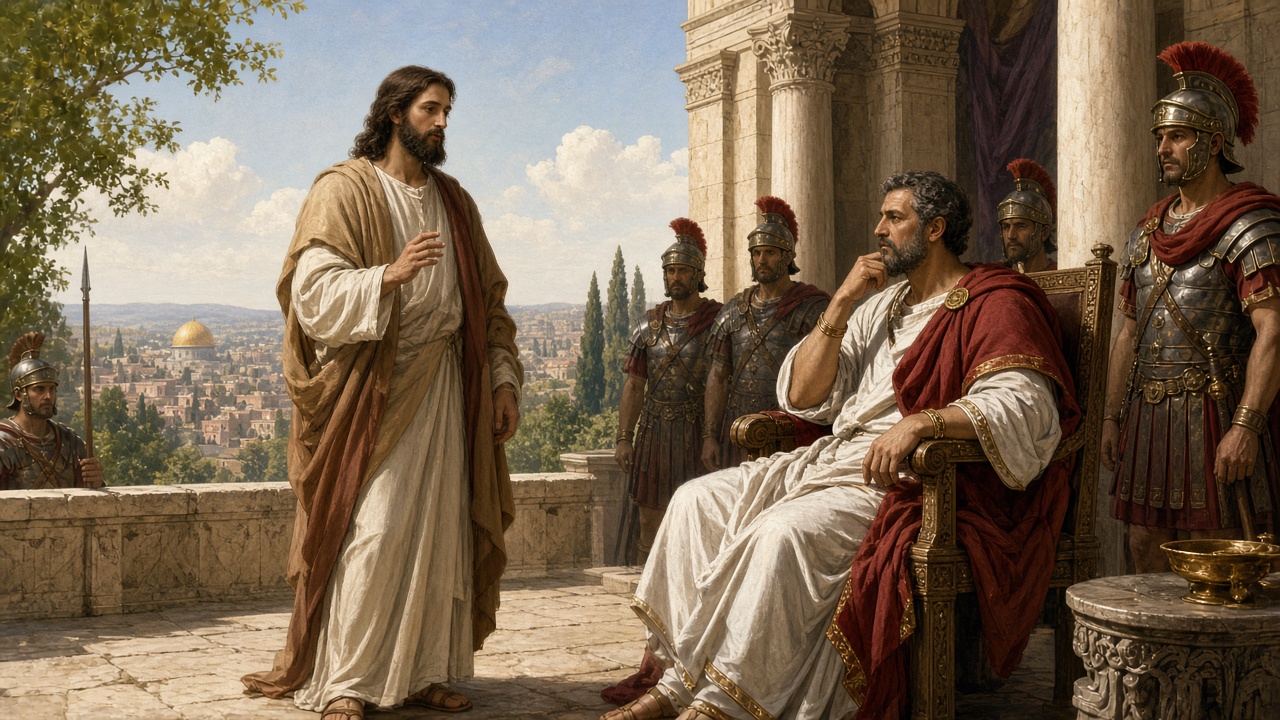
- This chapter's solemn charge recalls that Christ Jesus made the good confession in his testimony before Pontius Pilate. Pilate was the sixth Roman procurator of Judea, from A.D. 26 to 36, with headquarters at Caesarea, though he often went up to Jerusalem; his time in office covered the ministries of John the Baptist and of Jesus, and his name is remembered especially in connection with Jesus' trial.Sources: the Bible text itself · Pontius Pilate
- The chapter addresses Timothy as a man of God and tells him to guard what has been entrusted to him. The name Timotheus means honoring God. He was a young disciple and Paul's companion on many journeys; his mother Eunice and his grandmother Lois are mentioned as eminent for their piety, and his father was a Greek.Sources: the Bible text itself · Timotheus
Notes written with AI assistance from open sources (Theographic Bible Metadata, CC BY-SA 4.0; Easton’s Bible Dictionary, public domain) and reviewed before publishing.
Credits and license for this translation
Xwɨyí̵á Gorɨxoyá Sɨŋí̵pɨrɨnɨ
The New Testament in the Ankave language of Papua New Guinea
Nupela Testamen long tokples Angave long Niugini
copyright © 1990 Wycliffe Bible Translators, Inc.
Language: Angave (Ankave)
Translation by: Wycliffe Bible Translators
This translation is made available to you under the terms of the
Creative Commons Attribution-Noncommercial-No Derivatives license 4.0.
You may share and redistribute this Bible translation or extracts from it in any format, provided that:
You include the above copyright and source information.
You do not sell this work for a profit.
You do not change any of the words or punctuation of the Scriptures.
Pictures included with Scriptures and other documents on this site are licensed just for use with those Scriptures and documents.
For other uses, please contact the respective copyright owners.
2012-10-03
Source: http://png.bible/aak/ · eBible.org