1 Timothy 4
Xwɨyí̵á Gorɨxoyá Sɨŋí̵pɨrɨnɨ · Tap a verse to see its cross-references.
1Kwíyɨ́ Gorɨxoyápɨ rɨxa áwaŋɨ́ re rémɨxamoŋɨ́rɨnɨ, “Sɨ́á yoparɨ́yɨ́ tɨ́ŋíná ámá wí Jisasomɨ sɨnɨ dɨŋɨ́ mɨwɨkwɨ́ró rɨ́wɨ́ numorɨ́ná re epɨ́rɨ́árɨnɨ. Kwíyɨ́ ámɨ xegɨ́ bimɨ —Apɨ ámá yapɨ́ wíwapɨyarɨŋɨ́pɨrɨnɨ. Apimɨ xɨ́dɨro ámá kwíyɨ́ apimɨ dánɨ uréwapɨyarɨgɨ́áyɨ́ rarɨgɨ́ápɨ arɨ́á wiro imɨ́óyo dánɨ éwapɨ́narɨgɨ́ápɨ arɨ́á wiro epɨ́rɨ́árɨnɨ.” Gorɨxoyá kwíyɨ́pɨ áwaŋɨ́ e rémɨxamoŋɨ́rɨnɨ. 2Apimɨ dánɨ uréwapɨyarɨgɨ́áyɨ́ yapɨ́ owíwapɨyaneyɨnɨrɨ yarɨgɨ́ápimɨ dánɨ wíwapɨyarɨgɨ́árɨnɨ. Wigɨ́ dɨŋɨ́pɨ ɨ́wɨ́ ayá wí yarɨgɨ́ápimɨ dánɨ rɨxaxɨ́ órɨŋagɨ nánɨ ɨ́wɨ́ nero aí “Ayɨ́ ɨ́wɨ́ rɨ́a yarɨŋɨnɨ?” nɨyaiwirɨ́ná esɨsɨ́ bɨ minarɨgɨ́árɨnɨ. 3Ayɨ́ “Apɨxɨ́ mɨmeánɨpanɨ.” rɨro “Aiwá apɨ ŋwɨ́árɨnɨ. Mɨnɨpanɨ.” rɨro yarɨgɨ́áyɨ́rɨnɨ. E nerɨ aí nene xɨ́omɨ dɨŋɨ́ nɨwɨkwɨ́rorane xwɨyɨ́á nepaxɨŋɨ́ imónɨŋɨ́pɨ nánɨ dɨŋɨ́ moarɨŋwaéne Gorɨxo aiwá apɨ apɨ nánɨ yayɨ́ nɨnimáná nɨ́ɨ́rɨxɨnɨrɨ imɨxɨŋɨ́rɨnɨ. 4Ayɨ́ rɨpɨ nánɨ rarɨŋɨnɨ. Amɨpí Gorɨxo imɨxɨŋɨ́yɨ́ nɨ́nɨ naŋɨ́rɨnɨ. Wí rɨ́wɨ́mɨnɨ mamopaxɨ́ mimónɨnɨ. Nene Gorɨxomɨ yayɨ́ nɨwirane nɨpaxɨ́nɨ imónɨŋagɨ nánɨ rarɨŋɨnɨ. 5Gorɨxoyá sɨŋwɨ́yo dánɨ aiwá nɨpɨnɨ ananɨ nɨpaxɨ́ imónɨŋagɨ nánɨ rarɨŋɨnɨ. Ayɨ́ xewanɨŋo amɨpí nɨ́nɨ iwamɨ́ó nimɨxɨrɨ́ná “Nɨpɨnɨ naŋɨ́rɨnɨ.” rɨŋɨ́pimɨ dánɨ nɨpaxɨ́ imónɨrɨ nene nɨnɨranéná apɨ nánɨ yayɨ́ wiarɨŋwápimɨ dánɨ nɨpaxɨ́ imónɨrɨ eŋagɨ nánɨ rarɨŋɨnɨ.
“Rɨrɨxɨ́meáyo uréwapɨyirɨ Gorɨxomɨ píránɨŋɨ́ xɨ́dɨrɨ́a nánɨ iwamɨ́ó éwapɨ́nɨrɨ éɨrɨxɨnɨ.” urɨŋɨ́ nánɨrɨnɨ.
6Xwɨyɨ́á apɨ joxɨ yegɨ́ nɨrɨxɨ́meáyo nuréwapɨyirɨ́náyɨ́, surɨ́má wí mé ámá Kiraisɨ Jisasoyá xɨnáíwánɨŋɨ́ nimónɨrɨ omɨŋɨ́ xɨxenɨ nɨwiirɨ́ná yarɨgɨ́ápa axɨ́pɨ e erɨ́árɨnɨ. Joxɨ e nerɨ́ná aiwá nɨnɨrɨŋɨ́pimɨ dánɨ eŋɨ́ sɨxɨ́ eánarɨŋwápa axɨ́pɨ́nɨŋɨ́ joxɨ xwɨyɨ́á nene dɨŋɨ́ wɨkwɨ́roarɨŋwápɨ —Apɨ xwɨyɨ́á píránɨŋɨ́ reŋwɨpénɨŋɨ́ joxɨ nɨxɨ́da warɨŋɨ́pɨrɨnɨ. Nepaxɨŋɨ́ imónɨŋɨ́pɨrɨnɨ. Apimɨ dánɨ eŋɨ́ sɨxɨ́ eánɨrɨ́árɨnɨ. 7E nerɨ aí pɨyɨŋɨ́ ikayɨ́wɨ́pɨ —Apɨ sa xwɨ́á tɨ́yo dáŋɨ́pɨrɨnɨ. Niaíwɨ́ dɨŋɨ́ mɨmogɨ́ápianɨ rɨpaxɨ́pɨrɨnɨ. Apimɨ dɨŋɨ́ bɨ mɨkwɨ́ró aríkwɨ́kwɨ́ nɨwiéra nurɨ ámá Gorɨxomɨ xɨxenɨ nɨxɨ́dɨrɨ́ná yarɨgɨ́ápɨ tɨ́nɨ xɨxenɨ erɨ́a nánɨ ámá niɨ́á yanɨro nánɨ iwamɨ́ó éwapɨ́narɨgɨ́ápa axɨ́pɨ́nɨŋɨ́ iwamɨ́ó éwapɨ́nɨ́ɨrɨxɨnɨ. 8Ayɨ́ rɨpɨ nánɨ “Ámá Gorɨxomɨ xɨxenɨ nɨxɨ́dɨrɨ́ná yarɨgɨ́ápɨ tɨ́nɨ xɨxenɨ erɨ́a nánɨ iwamɨ́ó éwapɨ́nɨ́ɨrɨxɨnɨ.” rɨrarɨŋɨnɨ. Wará rɨrowá oneaiinɨrɨ nánɨ iwamɨ́ó nɨréwapɨ́nɨrɨŋɨ́pɨ, apimɨ dánɨ naŋɨ́ onɨmiápɨ neaiipaxɨ́rɨnɨ. E nerɨ aí Gorɨxomɨ xɨxenɨ xɨ́danɨ́wá nánɨ iwamɨ́ó nɨréwapɨ́nɨrɨŋɨ́pɨ, apimɨ dánɨ naŋɨ́ ayá wí neaiipaxɨ́rɨnɨ. Agwɨ ríná sɨnɨ xwɨ́á tɨ́yo nɨŋwearanénáranɨ, rɨ́wɨ́yo aŋɨ́namɨ nɨŋwearanénáranɨ, naŋɨ́ neaiipaxɨ́ eŋagɨ nánɨ rarɨŋɨnɨ. 9Xwɨyɨ́á apɨ, ayɨ́ dɨŋɨ́ ŋwɨrárɨpaxɨ́ imónɨŋɨ́pɨrɨnɨ. Ámá arɨ́á nɨwirɨ xɨ́dɨpaxɨ́pɨrɨnɨ. 10Ayɨ́ rɨ́wɨ́yo aŋɨ́namɨ nɨŋwearanénáranɨ, sɨnɨ xwɨ́á tɨ́yo nɨŋwearanénáranɨ, Gorɨxomɨ xɨxenɨ xɨ́danɨ́wá nánɨ iwamɨ́ó nɨréwapɨ́nɨrɨŋɨ́pimɨ dánɨ naŋɨ́ neaiíwɨnɨgɨnɨrɨ agwɨ ríná rɨ́wɨ́ nɨrɨ́kwínɨmáná anɨŋɨ́ minɨ́ yarɨŋwárɨnɨ. Nene Ŋwɨ́á dɨŋɨ́ nonɨ́ imónɨŋo —O ámá nɨyonɨ yeáyɨ́ uyimɨxemeámɨ́ánɨrɨ eŋorɨnɨ. Xɨ́omɨ dɨŋɨ́ wɨkwɨ́roarɨŋwaéne aŋɨpaxɨ́ yeáyɨ́ neayimɨxemeaarɨŋorɨnɨ. “O nene e neaiinɨ́árɨnɨ.” nɨyaiwirane dɨŋɨ́ nikwɨ́morane nánɨ anɨŋɨ́ minɨ́ yarɨŋwárɨnɨ. 11Xwɨyɨ́á apɨ nɨpɨnɨ sekaxɨ́ urɨrɨ uréwapɨyirɨ éɨrɨxɨnɨ.
“Dɨxɨ́ nerɨŋɨ́pimɨ dánɨ sɨŋwepɨgɨ́ wíɨrɨxɨnɨ.” urɨŋɨ́ nánɨrɨnɨ.
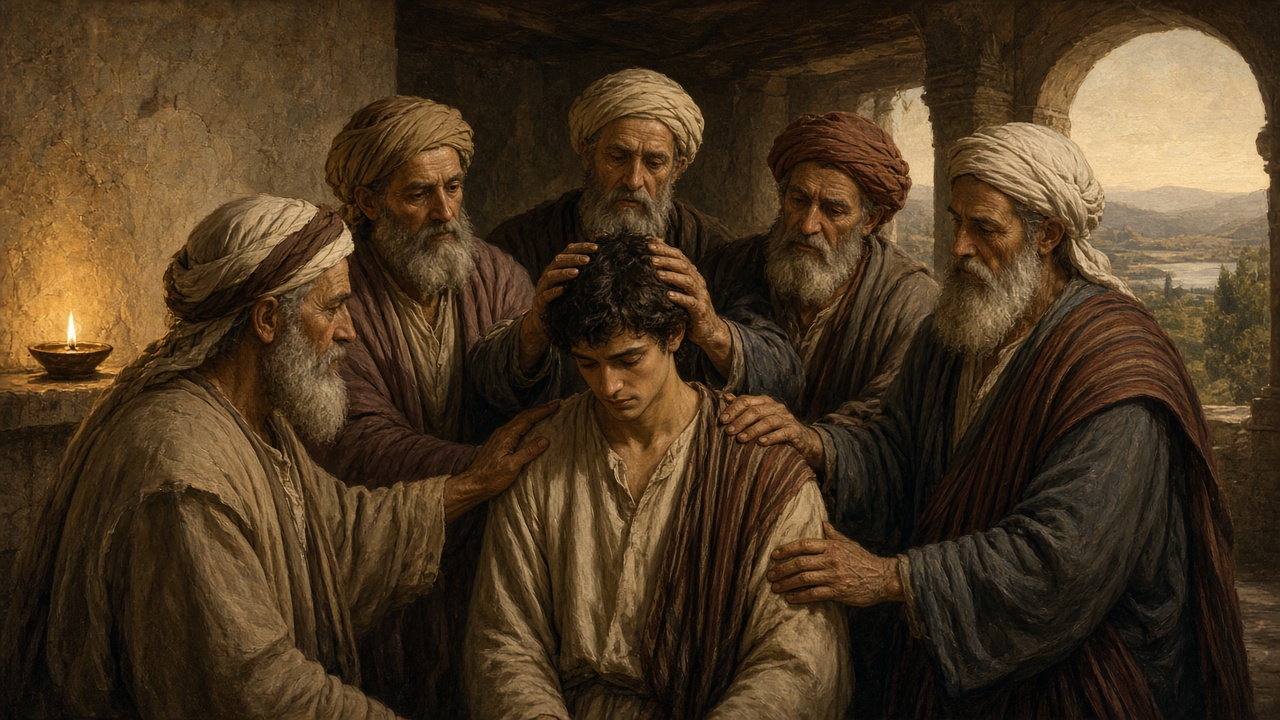
12Joxɨ sɨnɨ ámá rɨ́á mɨrɨŋoxɨ aí xe peayɨ́ onanɨ́poyɨnɨrɨ sɨŋwɨ́ mɨwɨnɨpanɨ. Joxɨ wé íkwiaŋwɨ́yo rɨŋwɨrárɨpɨ́rɨ nánɨ Jisasomɨ dɨŋɨ́ wɨkwɨ́roarɨgɨ́áyɨ́ epaxɨ́ imónɨŋɨ́pɨ nánɨ sɨŋwepɨgɨ́ wíɨrɨxɨnɨ. Jɨwanɨŋoxɨ nɨra nurɨŋɨ́pimɨ dánɨ sɨŋwepɨgɨ́ wirɨ nemerɨ́ná píránɨŋɨ́ nerɨŋɨ́pimɨ dánɨ sɨŋwepɨgɨ́ wirɨ wínɨyo dɨŋɨ́ sɨpí nɨwirɨŋɨ́pimɨ dánɨ sɨŋwepɨgɨ́ wirɨ dɨŋɨ́ ŋwɨrárɨpaxɨ́pɨ nerɨŋɨ́pimɨ dánɨ sɨŋwepɨgɨ́ wirɨ íkwɨráɨ́nánɨŋɨ́ nimónɨrɨ nerɨŋɨ́pimɨ dánɨ sɨŋwepɨgɨ́ wirɨ éɨrɨxɨnɨ. 13Nionɨ bɨmɨ́aé nánɨ wenɨŋɨ́ nerɨ nɨŋwearɨ́ná Gorɨxomɨ yayɨ́ umeanɨro nánɨ awí eánarɨgɨ́e dánɨ xwɨyɨ́á Gorɨxoyápɨ ɨ́á nuroimáná apimɨ dánɨ uréwapɨyirɨ eŋɨ́ rɨrémɨxɨ́ wirɨ éɨrɨxɨnɨ. 14Xámɨ Jisasoyá sɨyikɨ́ imónɨgɨ́áyo wipeŋweagɨ́áwa joxɨ erɨ́ápɨ nánɨ Gorɨxoyá dɨŋɨ́yo dánɨ wɨ́á rókiamoro wé seáyɨ e sikwiárɨro éáná Gorɨxo xegɨ́ kwíyɨ́pimɨ dánɨ e epaxɨ́ oimónɨrɨ dɨŋɨ́ sɨxɨ́ símoŋɨ́pɨ dɨŋɨ́ yaíkiá mɨmopanɨ. 15Xwɨyɨ́á “Joxɨ e éɨrɨxɨnɨ. E éɨrɨxɨnɨ.” rɨrarɨŋápɨ nɨpɨnɨ xɨxenɨ wé oroárɨmɨnɨrɨ éɨrɨxɨnɨ. Ámá gɨyɨ́ gɨyɨ́ sɨŋwɨ́ nɨranɨróná joxɨ xwɨyɨ́á nionɨ “E éɨrɨxɨnɨ.” rɨrarɨŋápɨ nerɨ wé nɨróa warɨŋagɨ ranɨpɨ́rɨ́a nánɨ e éɨrɨxɨnɨ. 16Jɨwanɨŋoxɨ yarɨŋɨ́pɨ nánɨ sɨŋwɨ́ ainenaxɨ́dɨrɨ uréwapɨyarɨŋɨ́pɨ nánɨ enɨ sɨŋwɨ́ ainenaxɨ́dɨrɨ éɨrɨxɨnɨ. Kikiɨ́á bɨ mɨŋweá arɨ́kí e yayíɨrɨxɨnɨ. Ayɨ́ rɨpɨ nánɨrɨnɨ. Joxɨ e nerɨ́ná jɨwanɨŋoxɨ erɨ́kiemeánɨrɨ dɨxɨ́ maŋɨ́ arɨ́á siarɨgɨ́áyo erɨ́kiemearɨ erɨ́á eŋagɨ nánɨ rarɨŋɨnɨ.
Did you know?
False Teaching and Godly Training
- The chapter says the Spirit expressly states that in later times some will abandon the faith to follow deceitful spirits and the teachings of demons. They are influenced by the hypocrisy of liars whose consciences are seared with a hot iron, and they will prohibit marriage and require abstinence from certain foods.Sources: the Bible text itself
- The letter answers those demands by saying God created such foods to be received with thanksgiving by those who believe and know the truth. Every creation of God is good, and nothing received with thanksgiving should be rejected, because it is sanctified by the word of God and prayer.Sources: the Bible text itself
- The writer urges the young person he addresses not to let anyone despise his youth, but to set an example in speech, conduct, love, faith, and purity. Until the writer comes, he is to devote himself to the public reading of Scripture, to exhortation, and to teaching, and not neglect the gift given through prophecy when the elders laid hands on him. Physical exercise, the letter adds, is of limited value, while godliness is valuable in every way, holding promise for the present life and the life to come, a saying the letter calls trustworthy and worthy of full acceptance.Sources: the Bible text itself
Notes written with AI assistance from open sources (Theographic Bible Metadata, CC BY-SA 4.0; Easton’s Bible Dictionary, public domain) and reviewed before publishing.
Credits and license for this translation
Xwɨyí̵á Gorɨxoyá Sɨŋí̵pɨrɨnɨ
The New Testament in the Ankave language of Papua New Guinea
Nupela Testamen long tokples Angave long Niugini
copyright © 1990 Wycliffe Bible Translators, Inc.
Language: Angave (Ankave)
Translation by: Wycliffe Bible Translators
This translation is made available to you under the terms of the
Creative Commons Attribution-Noncommercial-No Derivatives license 4.0.
You may share and redistribute this Bible translation or extracts from it in any format, provided that:
You include the above copyright and source information.
You do not sell this work for a profit.
You do not change any of the words or punctuation of the Scriptures.
Pictures included with Scriptures and other documents on this site are licensed just for use with those Scriptures and documents.
For other uses, please contact the respective copyright owners.
2012-10-03
Source: http://png.bible/aak/ · eBible.org