1 Timothy 2
Xwɨyí̵á Gorɨxoyá Sɨŋí̵pɨrɨnɨ · Tap a verse to see its cross-references.
“Ámá nɨ́nɨ nánɨ Gorɨxomɨ rɨxɨŋɨ́ wurɨyíɨ́rɨxɨnɨ.” urɨŋɨ́ nánɨrɨnɨ.
1Ámá Jisasoyá sɨyikɨ́ imónɨgɨ́áyɨ́ e éɨ́rɨxɨnɨrɨ rɨrɨmɨ́yɨ́ seáyɨ e imónɨŋɨ́pɨ, ayɨ́ rɨpɨrɨnɨ. Ámá nɨ́nɨ nánɨ Gorɨxomɨ rɨxɨŋɨ́ wurɨyiro yarɨŋɨ́ wiiro yayɨ́ wiro éɨ́rɨxɨnɨ. 2Dɨŋɨ́ wɨkwɨ́roarɨŋwaéne pɨyɨ́á werane kikiɨ́á ŋwearane yanɨ́wá nánɨ Gorɨxo negɨ́ mɨxɨ́ ináyɨ́yo tɨ́nɨ gapɨmanɨ́ neameŋweaarɨgɨ́á gɨyɨ́ gɨyo tɨ́nɨ wigɨ́ dɨŋɨ́ píránɨŋɨ́ owimɨxɨnɨrɨ rɨxɨŋɨ́ wurɨyíɨ́rɨxɨnɨ. Nene “Gorɨxomɨ nɨxɨ́dɨro nánɨ píránɨŋɨ́ e rɨ́a yarɨŋoɨ?” neaiaiwipaxɨ́ imónɨŋɨ́pɨ erane ámáyo yadɨmɨŋɨ́ imónɨŋɨ́pɨ wirane yanɨ́wá nánɨ rɨxɨŋɨ́ wurɨyíɨ́rɨxɨnɨ. 3Ámá e nerónáyɨ́, Gorɨxoyá sɨŋwɨ́yo dánɨ naŋɨ́ ero apánɨ imónɨŋɨ́pɨ ero yarɨŋagɨ́a nánɨ “Rɨxɨŋɨ́ wurɨyíɨ́rɨxɨnɨ.” rarɨŋɨnɨ. O nene yeáyɨ́ neayimɨxemeaarɨŋorɨnɨ. 4Ámá nɨ́nɨ xwɨyɨ́á mɨ́kɨ́ nepaxɨŋɨ́ imónɨŋɨ́pimɨ mí nómɨxɨro dɨŋɨ́ omópoyɨnɨrɨ wimónarɨŋorɨnɨ. Apimɨ mí ómɨxáná yeáyɨ́ uyimɨxemeámɨ́ánɨrɨ nánɨ wimónarɨŋorɨnɨ. 5Nene nɨjɨ́árɨnɨ. Ŋwɨ́á nepa imónɨŋɨ́pɨ, ayɨ́ ná wonɨ Gorɨxorɨnɨ. O tɨ́nɨ xɨ́omɨ sɨpí wikárarɨŋwaéne tɨ́nɨ nánɨ wáwuŋɨ́ imónɨŋo, ayɨ́ enɨ ná wonɨ Kiraisɨ Jisasorɨnɨ. 6O Gorɨxo íná e éwɨnɨgɨnɨrɨ wimónɨŋíná imónáná ámá nɨnenenɨ negɨ́ ɨ́wɨ́ yarɨŋwápɨ gwɨ́nɨŋɨ́ neaíkweawárɨmɨ́ánɨrɨ neapeiŋɨnigɨnɨ. Xɨ́o nɨneapeirɨŋɨ́pimɨ dánɨ sɨwá rénɨŋɨ́ neaiŋɨ́rɨnɨ. Gorɨxo ámá nɨyonɨ yeáyɨ́ uyimɨxemeámɨ́ánɨrɨ nánɨ wimónarɨŋorɨnɨ. 7Nionɨ Kiraiso e neaiiŋɨ́pɨ nánɨ wáɨ́ nurɨmeiarɨgɨ́áyɨ́ wo nimónɨrɨ áwaŋɨ́ nurɨmeíwɨnɨgɨnɨrɨ Gorɨxo nɨnɨrɨ́pearɨ —Aga yapɨ́ bɨ mɨrarɨŋɨnɨ. Nepánɨ rarɨŋɨnɨ. Gorɨxo nɨnɨrɨ́pearɨ émáyɨ́ maŋɨ́ nionɨyáyo dánɨ xwɨyɨ́á nepaxɨŋɨ́ imónɨŋɨ́pɨ arɨ́á niro dɨŋɨ́ wɨkwɨ́roro epɨ́rɨ́a nánɨ uréwapɨyimɨ́áonɨ imónɨmɨ nánɨ nimɨxɨŋɨ́rɨnɨ. 8Ayɨnánɨ ge ge Jisasoyá sɨyikɨ́ imónɨgɨ́áyɨ́ Gorɨxomɨ yayɨ́ owianeyɨnɨro awí neánɨróná “Oxowa omɨ rɨxɨŋɨ́ urɨ́ɨ́rɨxɨnɨ.” nimónarɨnɨ. Ayɨ́ “Oxɨ́ sɨyikwɨ́ mínɨpa nemáná wigɨ́ wínɨyo wikɨ́ mɨwónɨpa ero xɨxewiámɨ́ mɨrɨnɨpa ero yarɨgɨ́áwa wé seáyɨ e nɨmɨ́eyoaro ɨ́eapá nemáná rɨxɨŋɨ́ urɨ́ɨ́rɨxɨnɨ.” nimónarɨnɨ.
Apɨxíwa epaxɨ́pɨ nánɨ urɨŋɨ́ nánɨrɨnɨ.
9Apɨxíwa enɨ ámá Gorɨxomɨ yayɨ́ owianeyɨnɨro awí eánarɨgɨ́e nánɨ nɨbɨróná píránɨŋɨ́ nɨteánɨro aikɨ́yɨ́ xɨxenɨ wigɨ́ yínɨpaxɨ́pɨ nɨyínɨmɨ bɨ́ɨ́rɨxɨnɨ. Ámá weyɨ́ onearɨ́poyɨnɨrɨ dɨ́á okiyɨ́á ero nɨgwɨ́ okiyɨ́á inɨro rapɨrapɨ́ nɨgwɨ́ xwé roŋɨ́yɨ́ yínɨro mé 10apɨxɨ́ “Niaíwɨ́ Gorɨxoyáíwanexɨnɨ.” rɨnarɨgɨ́íwa epaxɨ́pɨ wigɨ́ ámáyo arɨrá nɨwirɨŋɨ́pimɨ dánɨ okiyɨ́ánɨŋɨ́ inɨ́ɨ́rɨxɨnɨ. 11Apɨxíwa oxowa uréwapɨyarɨ́ná xwɨyɨ́á mɨrɨ́ ínɨmɨ nɨwurɨ́nɨro arɨ́á wíɨ́rɨxɨnɨ. 12Apɨxíwa xe oxowamɨ seáyɨ e nɨwimónɨro ouréwapɨyípoyɨnɨrɨ wɨnarɨŋámanɨ. “Íwa xwɨyɨ́á mɨrɨ́ ero oxowamɨ maŋɨ́ arɨ́á wiro éɨ́rɨxɨnɨ.” nimónarɨnɨ. 13Ayɨ́ rɨpɨ nánɨ rarɨŋɨnɨ. Eŋíná Gorɨxo ámá nimɨxɨrɨ́ná xámɨ imɨxɨŋo, oxɨ́ Adamomɨ nimɨxɨmáná rɨ́wɨ́yo apɨxɨ́ Ipímɨ imɨxɨŋɨ́rɨnɨ. 14Ayɨ́ rɨpɨ nánɨ enɨ rarɨŋɨnɨ. Obo yapɨ́ wíwapɨyiŋo, ayɨ́ Adamomɨmanɨ. Ipímɨ yapɨ́ wíwapɨyíáná í xwɨyɨ́á Gorɨxo urɨŋɨ́pɨ wiaíkiŋɨ́ eŋagɨ nánɨ “Apɨxíwa xwɨyɨ́á mɨrɨ́ ero oxowamɨ maŋɨ́ arɨ́á wiro éɨ́rɨxɨnɨ.” rarɨŋɨnɨ. 15Nionɨ e nɨrɨrɨ aí apɨxíwa Gorɨxomɨ dɨŋɨ́ nɨwɨkwɨ́róa uro ámáyo dɨŋɨ́ sɨpí nɨwia uro sɨyikwɨ́ mínɨŋɨ́ imónɨro nɨteánɨrɨ ero nerónáyɨ́, niaíwɨ́ xɨrarɨgɨ́ápimɨ dánɨ erɨ́kiemeánɨpɨ́rɨ́árɨnɨ.
Did you know?
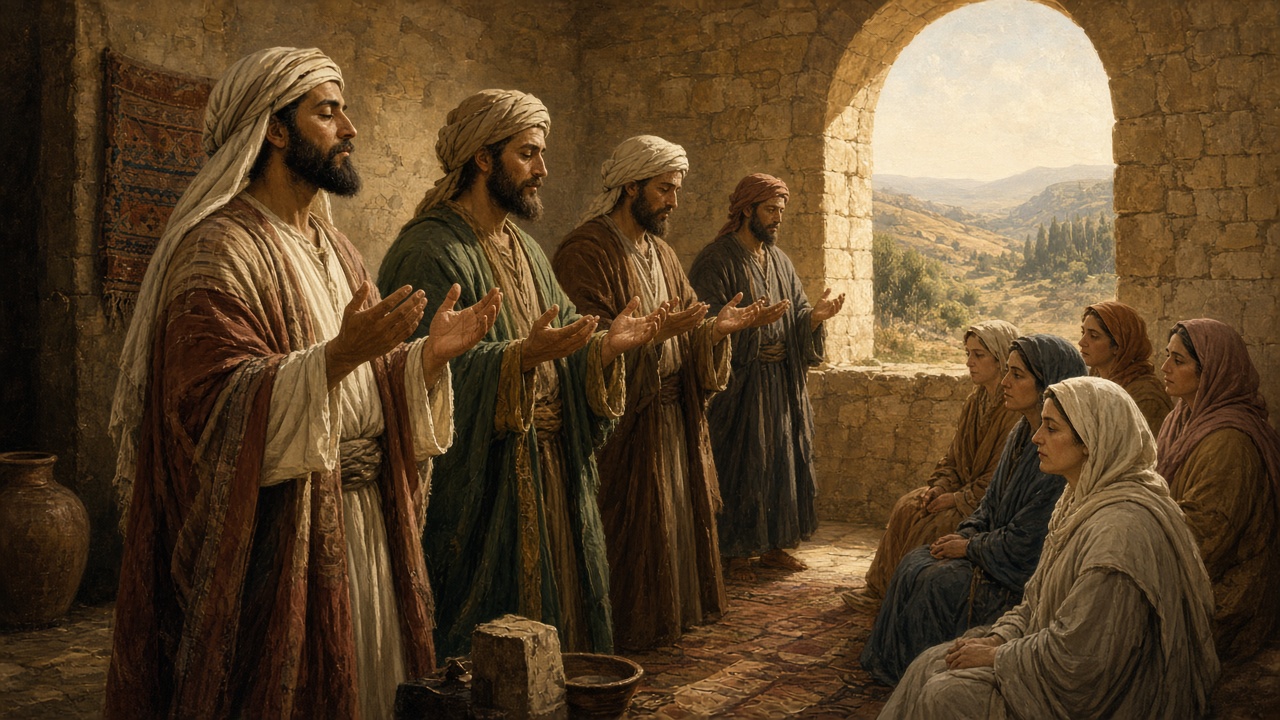
Prayer, modest worship, and Adam and Eve
- This chapter urges that petitions, prayers, intercessions, and thanksgiving be offered for everyone, including kings and all those in authority, so that believers may lead tranquil and quiet lives in all godliness and dignity. It also says there is one God and one mediator between God and men, the man Christ Jesus, who gave himself as a ransom for all.Sources: the Bible text itself
- When the letter says that Adam was formed first, and then Eve, it appeals to the first man of Genesis. Easton's Bible Dictionary (1897) explains that Adam is a Babylonian word meaning 'red,' the generic name for man, with the same meaning in Hebrew and Assyrian, and that he was formed from the dust of the earth.Sources: the Bible text itself · Adam
- The letter says it was not Adam who was deceived, but the woman, who was deceived and fell into transgression. Easton's Bible Dictionary (1897) says Eve means 'life' or 'living,' the name Adam gave his wife, and that the account of her creation is given in Genesis 2:21-22.Sources: the Bible text itself · Eve
Notes written with AI assistance from open sources (Theographic Bible Metadata, CC BY-SA 4.0; Easton’s Bible Dictionary, public domain) and reviewed before publishing.
Credits and license for this translation
Xwɨyí̵á Gorɨxoyá Sɨŋí̵pɨrɨnɨ
The New Testament in the Ankave language of Papua New Guinea
Nupela Testamen long tokples Angave long Niugini
copyright © 1990 Wycliffe Bible Translators, Inc.
Language: Angave (Ankave)
Translation by: Wycliffe Bible Translators
This translation is made available to you under the terms of the
Creative Commons Attribution-Noncommercial-No Derivatives license 4.0.
You may share and redistribute this Bible translation or extracts from it in any format, provided that:
You include the above copyright and source information.
You do not sell this work for a profit.
You do not change any of the words or punctuation of the Scriptures.
Pictures included with Scriptures and other documents on this site are licensed just for use with those Scriptures and documents.
For other uses, please contact the respective copyright owners.
2012-10-03
Source: http://png.bible/aak/ · eBible.org