1 Thessalonians 5
Xwɨyí̵á Gorɨxoyá Sɨŋí̵pɨrɨnɨ · Tap a verse to see its cross-references.
“Ámɨnáo bɨnɨ́áyi nánɨ sɨŋwɨ́ tɨ́nɨ ŋweáwanɨgɨnɨ.” urɨŋɨ́ nánɨrɨnɨ.
1Gɨ́ nɨrɨxɨ́meáyɨ́né, Ámɨnáo weapɨnɨ́áyi nánɨ seyɨ́né rɨxa arɨ́á wigɨ́á eŋagɨ nánɨ rɨ́wamɨŋɨ́ bɨ nearɨ áwaŋɨ́ searɨpaxɨ́ mimónɨnɨ. 2Rɨpɨ nánɨ seyɨ́né rɨxa nɨjɨ́á imónɨŋagɨ́a nánɨ rarɨŋɨnɨ. “Ámá árɨ́wɨyimɨ ɨ́wɨ́ meaarɨgɨ́áyɨ́ ríná bɨpɨ́rɨréoɨ?” mɨyaiwipa yarɨ́ná barɨgɨ́ápa Ámɨnáo enɨ axɨ́pɨ “Ríná bɨnɨrɨ́enɨŋoɨ?” mɨyaiwipa eŋáná bɨnɨ́árɨnɨ. Apɨ nánɨ seyɨ́né rɨxa nɨjɨ́á imónɨŋagɨ nánɨ rarɨŋɨnɨ. 3Ayɨ́ re rarɨ́ná, “Rɨxa nɨwayɨrónɨrɨ ŋweaŋwɨnɨ. Amɨpí wí nánɨ wáyɨ́ neainɨpaxɨ́ mimónɨnɨ.” rarɨ́ná sɨnɨ mé rɨ́mewá inɨpaxɨ́ rɨ́á tɨ́ŋɨ́ wímeanɨ́árɨnɨ. Rɨ́nɨŋɨ́ apɨxíwa niaíwɨ́ xɨranɨróná nawínánɨ winarɨŋɨ́pa axɨ́pɨ wímeááná apimɨ wí urakínɨpɨ́rɨ́á menɨnɨ. 4Gɨ́ nɨrɨxɨ́meáyɨ́né, seyɨ́né sɨ́á yinɨŋɨ́mɨnɨ memearɨgɨ́áyɨ́né eŋagɨ nánɨ Ámɨnáo nɨweapɨrɨ nɨseaímearɨ́ná ámá ɨ́wɨ́ xaurápɨmɨnɨrɨ wímeááná sɨrɨ́ pɨkínarɨgɨ́áyɨ́ yapɨ pɨkínɨpaxɨ́ mimónɨgɨ́áyɨ́nérɨnɨ. 5Nɨyɨ́nénɨ wɨ́á ónarɨŋɨ́mɨnɨ nemero ikwáwɨyíná yarɨgɨ́áyɨ́né imónɨŋagɨ́a nánɨ seararɨŋɨnɨ. Nene sɨ́á yinɨŋɨ́mɨnɨ nemerane árɨ́wɨyimɨ yarɨŋwaénemanɨ. 6Ayɨnánɨ Jisasomɨ dɨŋɨ́ mɨwɨkwɨ́rogɨ́áyɨ́ sɨ́á o weapɨnɨ́áyi nánɨ sɨŋwɨ́ manɨ́ maiwí sá wearɨgɨ́ápa mepa éwanɨgɨnɨ. Sɨŋwɨ́ tɨ́nɨ nɨŋwearane pɨ́reánɨ́wanɨgɨnɨ. 7Ayɨ́ rɨpɨ nánɨ seararɨŋɨnɨ. Ámá sá wearɨgɨ́áyɨ́ árɨ́wɨyimɨ wearɨgɨ́árɨnɨ. Ámá iniɨgɨ́ xwapɨ́ nɨnɨro papɨkɨ́ yarɨgɨ́áyɨ́ árɨ́wɨyimɨ nɨnɨro papɨkɨ́ yarɨgɨ́árɨnɨ. 8E nerɨ aí nene ikwáwɨyíná emearɨŋwaéne imónɨŋagwɨ nánɨ pɨ́reánɨ́wanɨgɨnɨ. Ámá mɨxɨ́ inanɨro nánɨ ikɨ́narɨgɨ́ápa nene axɨ́pɨ Gorɨxomɨ dɨŋɨ́ wɨkwɨ́rorane dɨŋɨ́ sɨxɨ́ uyirane yarɨŋwápɨ sorɨ́á mɨxɨ́ nánɨ yínarɨgɨ́ápánɨŋɨ́ yínɨrane “Gorɨxo yeáyɨ́ neayimɨxemeanɨ́árɨnɨ.” nɨyaiwirane ikwɨ́moarɨŋwápɨ arɨxɨ́ mɨxɨ́ nánɨ dɨ́kínarɨgɨ́ápánɨŋɨ́ dɨ́kínɨrane éwanɨgɨnɨ. 9Gorɨxo xegɨ́ wikɨ́ rɨ́á ápiáwɨ́nɨŋɨ́ wearɨŋɨ́pɨ wímeáwɨnɨgɨnɨrɨ neaiaiwiárɨŋenemanɨ. Negɨ́ Ámɨná Jisasɨ Kiraiso neaiiŋɨ́pimɨ dánɨ yeáyɨ́ uyimɨxemeáɨmɨgɨnɨrɨ neaiaiwiárɨŋenerɨnɨ. 10Nene sɨnɨ ŋweaŋáná nɨweapɨrɨ́náranɨ, peŋwámɨ eŋáná nɨweapɨrɨ́náranɨ, xɨ́o tɨ́nɨ nawínɨ ŋweaanɨ́wá nánɨ neapeiŋɨnigɨnɨ. 11Ayɨnánɨ xɨxe mɨŋɨ́ ikɨŋwɨ́ mɨrɨnɨro sɨ́kɨ́kɨ́ omɨxɨnɨro éɨ́rɨxɨnɨ. “Seyɨ́né rɨxa e inarɨgɨ́ápɨ sɨnɨ niga úɨ́rɨxɨnɨ.” seararɨŋɨnɨ.
“Apɨ apɨ éɨ́rɨxɨnɨ.” nura uŋɨ́pɨ nánɨrɨnɨ.
12Gɨ́ nɨrɨxɨ́meáyɨ́né, bɨ rɨpɨ éɨ́rɨxɨnɨrɨ yarɨŋɨ́ oseaimɨnɨ. Segɨ́ arɨrá seaianɨro nánɨ anɨŋɨ́ minɨ́ yarɨgɨ́áyɨ́ —Ayɨ́ Ámɨnáoyá dɨŋɨ́yo dánɨ seameŋwearo searéwapɨyiro epɨ́rɨ nánɨ imónɨgɨ́áyɨ́rɨnɨ. Ayo seyɨ́né wéyo umepɨ́rɨ nánɨ éɨ́rɨxɨnɨ. 13Ámá ayɨ́ saŋɨ́ searápanɨro yarɨŋagɨ́a nánɨ dɨŋɨ́ sɨxɨ́ uyiro wé íkwiaŋwɨ́yo ŋwɨrárɨro éɨ́rɨxɨnɨ. Sérɨxɨ́meá tɨ́nɨ xepɨxepá mɨrónɨ́ nawínɨ nimónɨro ŋweáɨ́rɨxɨnɨ.
14Gɨ́ nɨrɨxɨ́meáyɨ́né, bɨ rɨpɨ enɨ éɨ́rɨxɨnɨrɨ yarɨŋɨ́ oseaimɨnɨ. Segɨ́ ámá rɨ́wɨ́ sɨwɨ́á yigɨ́áyo yumɨxɨro ayá igigɨ́ yarɨgɨ́áyo dɨŋɨ́ sɨxɨ́ umímoro i wegɨ́áyo arɨrá wiro éɨ́rɨxɨnɨ. Ámá nɨyonɨ nurɨrɨ́ná sɨmeaxɨ́dɨ́ mɨwí wigɨ́ dɨŋɨ́ tɨ́nɨ “E oyaneyɨ.” nɨyaiwirɨ́ná e éɨ́rɨxɨnɨrɨ sɨŋwɨ́ wɨnɨ́ɨ́rɨxɨnɨ. 15Ámá sɨpí seaikárɨ́áyo seyɨ́né enɨ pɨrɨ́ numamoro sɨpí mɨwikárɨpa éɨ́rɨxɨnɨ. Pí pí seaikárarɨŋagɨ́á aí “Negɨ́ wínɨyo arɨge nerɨ́ná naŋɨ́ wiianɨréwɨnɨ?” nɨyaiwiro e wianɨro nánɨ éɨ́rɨxɨnɨ. Ámá nɨyonɨ aí e wianɨro nánɨ éɨ́rɨxɨnɨ. 16Íníná dɨŋɨ́ niɨ́á seainɨ́wɨnɨgɨnɨ. Íníná Gorɨxomɨ rɨxɨŋɨ́ urɨ́ɨ́rɨxɨnɨ. 18Pí pí seaímeááná Gorɨxomɨ yayɨ́ wíɨ́rɨxɨnɨ. Kiraisɨ Jisaso tɨ́nɨ nawínɨ ikárɨnɨgɨ́áyɨ́né Gorɨxo e éɨ́rɨxɨnɨrɨ wimónarɨŋagɨ nánɨ rarɨŋɨnɨ. 19Seyɨ́né kwíyɨ́ Gorɨxoyá yarɨŋɨ́pimɨ pɨ́rɨpɨ́rɨ́ mɨwipa nero 20apimɨ dánɨ xwɨyɨ́á wɨ́á rókiamoarɨgɨ́ápɨ paimɨmɨ́ mɨwipa éɨ́rɨxɨnɨ. 21E mepa nero aí wɨ́á nɨsearókiamorɨ́ná “Xwɨyɨ́á rɨpɨ Gorɨxo tɨ́ámɨnɨ imónɨŋɨ́pɨ rarɨŋɨnɨ.” searánáyɨ́, píránɨŋɨ́ pɨ́á nɨmeaxɨ́dɨmáná naŋɨ́ imónɨŋɨ́pɨnɨ xaíwɨ́ ɨ́á xɨrɨro 22sɨpí imónɨŋɨ́pɨ nɨpɨnɨ rɨ́wɨ́ umoro éɨ́rɨxɨnɨ.
23Gorɨxo —O ámá nɨwayɨrónɨro ŋweapɨ́rɨ nánɨ mɨ́kɨ́ ikiŋorɨnɨ. “O seyɨ́né sɨyikwɨ́ mínɨŋɨ́ nimónɨga nuro yóɨ́ imónɨpɨ́rɨ nánɨ seaimɨxɨ́wɨnɨgɨnɨ.” nimónarɨnɨ. “Ámɨná Jisasɨ Kiraiso báná seyɨ́né xwɨyɨ́á seaxekwɨ́mopaxɨ́ mimónɨpa epɨ́rɨ́a nánɨ Gorɨxo segɨ́ dɨŋɨ́pɨnɨ marɨ́áɨ, warápɨ enɨ seaerɨ́kiemeáwɨnɨgɨnɨ.” nimónarɨnɨ. 24Nionɨyáyɨ́ imónɨ́ɨ́rɨxɨnɨrɨ wéyo ɨ́á seaumɨrarɨŋo —O ámá wikwiárɨnɨpaxɨ́ imónɨŋorɨnɨ. O xɨxenɨ apɨ apɨ e seaiinɨ́árɨnɨ.
25Gɨ́ nɨrɨxɨ́meáyɨ́né, none nánɨ enɨ rɨxɨŋɨ́ neaurɨyíɨ́rɨxɨnɨ. 26Sérɨxɨ́meá gɨyɨ́ gɨyo yayɨ́ nɨwirɨ́ná yayɨ́ óɨ́ weánɨ́ɨ́rɨxɨnɨ. 27Ámɨnáo arɨ́á eŋe dánɨ sekaxɨ́ rɨpɨ osearɨmɨnɨ, “Payɨ́ rɨna nɨmearɨ́ná sérɨxɨ́meá nɨyonɨ ɨ́á urowieméɨ́rɨxɨnɨ.” 28“Negɨ́ Ámɨná Jisasɨ Kiraiso wá seawianɨ́wɨnɨgɨnɨ.” nimónarɨnɨ.
Did you know?
Awake for the Day of the Lord
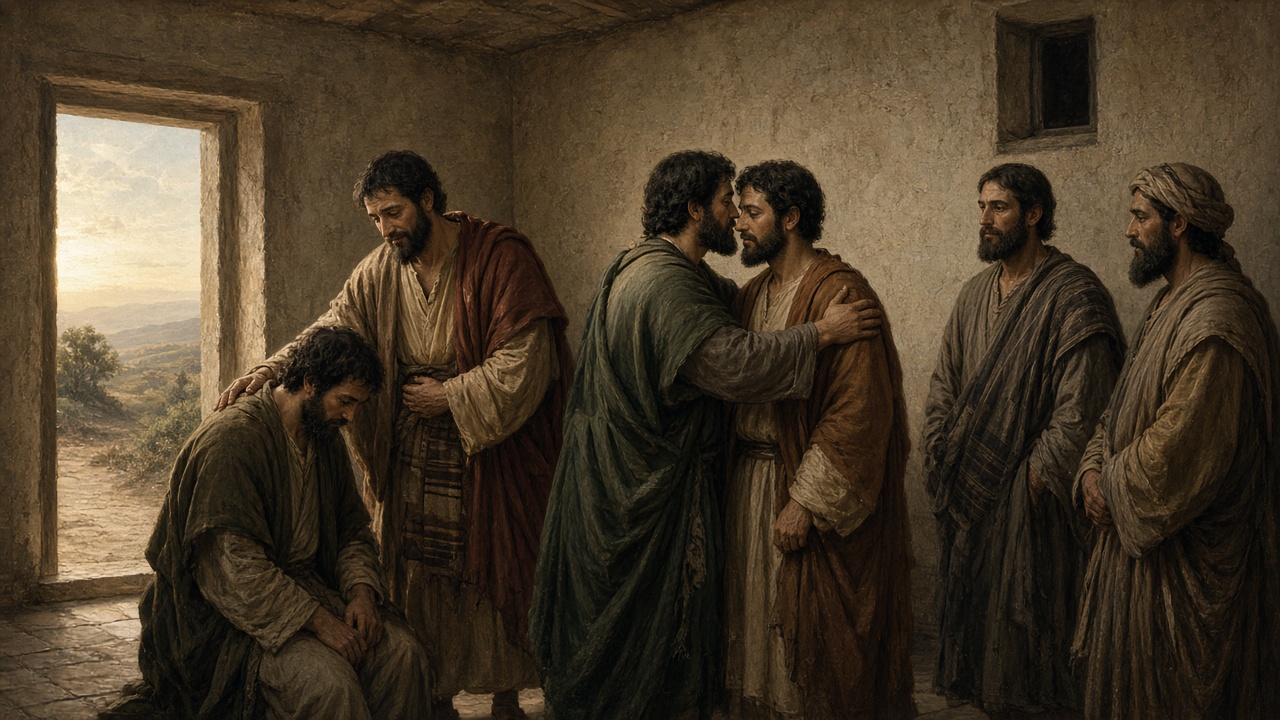
- This chapter says the Day of the Lord will come like a thief in the night, and that destruction will arrive suddenly, like labor pains, while people are saying “Peace and security.” It calls the brothers sons of the light and sons of the day, and urges them not to sleep as others do, but to stay awake and sober.Sources: the Bible text itself
- Those who belong to the day are told to be sober, putting on the breastplate of faith and love and the helmet of the hope of salvation. The chapter says God has not appointed them to wrath, but to obtain salvation through the Lord Jesus Christ, who died so that, whether awake or asleep, they may live together with him.Sources: the Bible text itself
- The closing words ask the brothers to acknowledge those who work diligently among them, preside over them, and instruct them, holding them in highest regard because of their work. They are urged to admonish the unruly, encourage the fainthearted, help the weak, be patient with everyone, and not repay evil for evil. They are also told not to extinguish the Spirit or treat prophecies with contempt, but to test all things, to greet all the brothers with a holy kiss, and to have this letter read to all the brothers.Sources: the Bible text itself
Notes written with AI assistance from open sources (Theographic Bible Metadata, CC BY-SA 4.0; Easton’s Bible Dictionary, public domain) and reviewed before publishing.
Credits and license for this translation
Xwɨyí̵á Gorɨxoyá Sɨŋí̵pɨrɨnɨ
The New Testament in the Ankave language of Papua New Guinea
Nupela Testamen long tokples Angave long Niugini
copyright © 1990 Wycliffe Bible Translators, Inc.
Language: Angave (Ankave)
Translation by: Wycliffe Bible Translators
This translation is made available to you under the terms of the
Creative Commons Attribution-Noncommercial-No Derivatives license 4.0.
You may share and redistribute this Bible translation or extracts from it in any format, provided that:
You include the above copyright and source information.
You do not sell this work for a profit.
You do not change any of the words or punctuation of the Scriptures.
Pictures included with Scriptures and other documents on this site are licensed just for use with those Scriptures and documents.
For other uses, please contact the respective copyright owners.
2012-10-03
Source: http://png.bible/aak/ · eBible.org