1 Corinthians 2
Xwɨyí̵á Gorɨxoyá Sɨŋí̵pɨrɨnɨ · Tap a verse to see its cross-references.
“Nɨseaímearɨ́ná Jisaso nánɨnɨ searéwapɨyiŋárɨnɨ.” urɨŋɨ́ nánɨrɨnɨ.
1Gɨ́ nɨrɨxɨ́meáyɨ́né, nionɨ iwamɨ́ó nɨseaímearɨ xwɨyɨ́á Gorɨxoyá ínɨmɨ imónɨŋɨ́pɨ wáɨ́ nɨsearɨrɨ́ná “Poro nɨjɨ́á seáyɨ e imónɨŋorɨ́anɨ?” oniaiwípoyɨnɨrɨ xwɨyɨ́á xwé imónɨŋɨ́ rarɨgɨ́ápɨ tɨ́nɨ searɨrɨ ámaéne negɨ́ dɨŋɨ́yo dánɨ dɨŋɨ́ émɨ́ saímɨ́ moarɨŋwápɨ tɨ́nɨ searɨrɨ mé 2dɨŋɨ́ rɨpɨnɨ moŋárɨnɨ, “Ámɨ bɨ gɨ́ dɨŋɨ́ tɨ́nɨ gɨ́wɨ́ nímɨxɨrɨ murɨpa oemɨnɨ. Sa Jisasɨ Kiraisomɨ íkɨ́á yoxáɨ́pámɨ yekwɨroárɨgɨ́ápɨ nánɨnɨ ouréwapɨyimɨnɨ.” nɨmorɨ apɨnɨ seaíwapɨyiŋárɨnɨ. 3Nionɨ seyɨ́né tɨ́nɨ nɨŋwearɨ́ná eŋɨ́ samɨŋɨ́ nɨnɨwerɨ ŋweaŋárɨnɨ. Wáyɨ́ erɨ óɨ́ erɨ nerɨ ŋweaŋárɨnɨ. 4Nɨsearéwapɨyirɨ́náranɨ, wáɨ́ nɨsearɨrɨ́náranɨ, xwɨyɨ́á ámá “Apɨ seáyɨ e imónɨŋɨ́pɨrɨ́anɨ?” yaiwiarɨgɨ́ápɨ bɨ tɨ́nɨ nɨkumɨxɨrɨŋɨ́pimɨ dánɨ dɨŋɨ́ oseakɨnɨmɨxɨmɨnɨrɨ nerɨ mɨsearɨ́ emɨmɨ́ eŋɨ́ eánɨŋɨ́ Gorɨxoyá kwíyɨ́pimɨ dánɨ nɨseaíwapɨyirɨ́ná searéwapɨyiŋárɨnɨ. 5E eŋápɨ, ayɨ́ rɨpɨ nánɨ eŋárɨnɨ. Seyɨ́né Gorɨxomɨ dɨŋɨ́ nɨwɨkwɨ́roróná ámaéne “Dɨŋɨ́ émɨ́ saímɨ́ moarɨŋwɨnɨ.” yaiwinarɨŋwápimɨ mɨwɨkwɨ́ró Gorɨxoyá eŋɨ́ eánɨŋɨ́pimɨ dɨŋɨ́ owɨkwɨ́rópoyɨnɨrɨ e nerɨ seaíwapɨyiŋárɨnɨ.
“Nɨjɨ́á Gorɨxoyápɨ xegɨ́ kwíyɨ́pimɨ dánɨnɨ imónɨpaxɨ́rɨnɨ.” urɨŋɨ́ nánɨrɨnɨ.
6E nɨsearɨrɨ aí none ámá Gorɨxomɨ dɨŋɨ́ wɨkwɨ́roarɨgɨ́á yóɨ́ imónɨgɨ́áyo nɨjɨ́á dɨŋɨ́ émɨ́ saímɨ́ mónɨŋɨ́pimɨ dánɨ imónɨŋɨ́ bɨ urarɨŋwárɨnɨ. Nɨjɨ́á apɨ ámá ríná dáŋɨ́ imónɨgɨ́ápimɨ dánɨmanɨ. Nɨjɨ́á apɨ enɨ ámá ríná dáŋɨ́ seáyɨ e nimónɨro meŋweagɨ́áyɨ́ —Ayɨ́ anɨ́nanɨro yarɨgɨ́áyɨ́rɨnɨ. Ayɨ́yá imónɨgɨ́ápimɨ dánɨmanɨ. 7Nɨjɨ́á dɨŋɨ́ émɨ́ saímɨ́ mónɨŋɨ́pimɨ dánɨ imónɨŋɨ́ nionɨ seararɨŋápɨ, ayɨ́ Gorɨxoyá yumɨ́í imónɨŋɨ́pɨrɨnɨ. Apɨ ínɨmɨ imónɨŋagɨ nánɨ ámá “Gorɨxo enɨ́ápɨ nánɨ nɨjɨ́á oimónaneyɨ.” nɨwimónɨro aiwɨ wiwanɨŋɨ́yɨ́ dɨŋɨ́ mopaxɨ́ mimónɨnɨ. Apɨ Gorɨxo aŋɨ́na tɨ́nɨ xwɨ́árí tɨ́nɨ sɨnɨ mimɨxɨpa eŋe dánɨ yumɨ́í dɨŋɨ́ eŋwɨpeárɨŋɨ́pɨrɨnɨ. Nene xɨ́o tɨ́nɨ aŋɨ́namɨ ŋweanɨ́wá nánɨ eŋwɨpeaárɨŋɨ́pɨrɨnɨ. 8Ámá ríná dáŋɨ́ seáyɨ e nimónɨrɨ meŋweagɨ́áyɨ́ wí Gorɨxo yumɨ́í dɨŋɨ́ eŋwɨpeárɨŋɨ́pɨ nánɨ nɨjɨ́á mimónɨgɨ́árɨnɨ. Ayɨ́ nɨjɨ́á nimónɨro sɨŋwɨrɨyɨ́, Ámɨná eŋɨ́ eánɨŋɨ́ nene yeáyɨ́ neayimɨxemeanɨ́a nánɨ Gorɨxo imónɨŋɨ́pɨ neaíwapɨyiŋomɨ wí íkɨ́áyo yekwɨroáranɨro egɨ́ámanɨ. 9None rarɨŋwápɨ nánɨ Bɨkwɨ́yo dánɨ xɨxenɨ re nɨrɨnɨrɨ eánɨnɨ, “Amɨpí Gorɨxo ámá xɨ́omɨ dɨŋɨ́ sɨxɨ́ uyarɨgɨ́áyo wipɨmoáriŋɨ́pɨ, ayɨ́ ámá wí sɨŋwɨ́ mɨwɨnɨpa ero arɨ́á mɨwipa ero ‘Neaipɨmoáriŋɨ́pɨ, ayɨ́ apɨrɨ́anɨ?’ nɨyaiwirɨ dɨŋɨ́ mɨmopa ero yarɨgɨ́ápɨrɨnɨ.” E nɨrɨnɨrɨ eánɨŋɨ́pɨ none seararɨŋwápɨ tɨ́nɨ xɨxenɨ imónɨnɨ. 10Gorɨxo nene nánɨ neaipɨmoáriŋɨ́pɨ ámá wigɨ́ dɨŋɨ́ tɨ́nɨ dɨŋɨ́ mɨmopaxɨ́ imónɨŋagɨ aiwɨ Gorɨxo xegɨ́ kwíyɨ́pimɨ dánɨ rɨxa wɨ́á nearókiamoŋɨ́rɨnɨ. Ayɨ́ rɨpɨ nánɨrɨnɨ. Xegɨ́ kwíyɨ́pɨ nemerɨ amɨpí nɨ́nɨ nánɨ nɨjɨ́á imónɨnɨ. Amɨpí Gorɨxo yumɨ́í eŋwɨpeárɨŋɨ́pɨ nánɨ aí nɨjɨ́á imónɨnɨ. 11Ámá go ámá wo yumɨ́í dɨŋɨ́ moarɨŋɨ́pɨ nánɨ nɨjɨ́á imónɨnɨ? Oweoɨ, ámá o yumɨ́í dɨŋɨ́ moarɨŋɨ́pɨ xewanɨŋoyá dɨŋɨ́pɨnɨ apɨ nánɨ nɨjɨ́á imónɨnɨ. Kwíyɨ́ Gorɨxoyápɨ enɨ axɨ́pɨ imónɨnɨ. Ámá wo aí dɨŋɨ́ Gorɨxo moarɨŋɨ́pɨ nánɨ nɨjɨ́á mimónɨpaxɨ́ nerɨ aí xegɨ́ kwíyɨ́pɨnɨ nɨjɨ́á imónɨŋɨ́ eŋagɨ nánɨ Gorɨxo yumɨ́í neaipɨmoáriŋɨ́pɨ nánɨ ananɨ wɨ́á nearókiamopaxɨ́rɨnɨ. 12Gorɨxo wá nɨneawianɨrɨ e e epaxɨ́ imónɨ́ɨ́rɨxɨnɨrɨ sɨwiá sɨxɨ́ neamímoŋɨ́ nɨpɨnɨ nánɨ nɨjɨ́á imónanɨ́wá nánɨ o kwíyɨ́ ámá xwɨ́á tɨ́yo xɨ́omɨ mɨxɨ́darɨgɨ́áyɨ́yá imónɨŋɨ́pɨ sɨxɨ́ mɨneamímó xɨ́o tɨ́ŋɨ́ e dáŋɨ́pɨ sɨxɨ́ neamímoŋɨ́rɨnɨ. 13Ayɨnánɨ none Gorɨxo wá nɨneawianɨrɨ sɨwiá sɨxɨ́ neamímoŋɨ́pɨ nánɨ nɨsearéwapɨyirɨ́ná xwɨyɨ́á áxwɨ́najeneyá dɨŋɨ́ émɨ́ saímɨ́ nɨmorane réwapɨ́narɨŋwápimɨ dánɨ mɨsearéwapɨyí xwɨyɨ́á Gorɨxoyá kwíyɨ́pɨ nearéwapɨyíɨ́yo dánɨ searéwapɨyarɨŋwárɨnɨ. Ámá Gorɨxoyá kwíyɨ́pɨ tɨ́gɨ́áyo kwíyɨ́pɨ nearéwapɨyíɨ́pɨ píránɨŋɨ́ ureŋwɨpearɨŋwárɨnɨ. 14E nerɨ aí ámá kwíyɨ́ Gorɨxoyápɨ mayɨ́ imónɨgɨ́áyo o wá nɨneawianɨrɨ e e epaxɨ́ imónɨ́ɨ́rɨxɨnɨrɨ xegɨ́ kwíyɨ́pimɨ dánɨ sɨxɨ́ neamímoŋɨ́pɨ nánɨ nurɨrɨ́náyɨ́ wí mímɨnɨpaxɨ́manɨ. Ayɨ́ rɨpɨ nánɨrɨnɨ. Ámá ayɨ́ ámá wí Gorɨxoyá kwíyɨ́pimɨ dánɨ yarɨŋagɨ́a nɨwɨnɨróná kwíyɨ́pimɨ dánɨnɨ mí ómɨxɨpaxɨ́ imónɨŋagɨ nánɨ dɨŋɨ́ píránɨŋɨ́ neyíroro “Gorɨxoyá kwíyɨ́pimɨ dánɨ rɨ́a yarɨŋoɨ?” yaiwipaxɨ́ mimónɨŋoɨ. Ayɨnánɨ apɨ e mɨyaiwí majɨ́á neróná “Ámá ayɨ́ majɨ́á nikárɨnɨro rɨ́a yarɨŋoɨ?” yaiwiarɨgɨ́árɨnɨ. 15E nerɨ aí ámá Gorɨxoyá kwíyɨ́ tɨ́gɨ́áyɨ́ amɨpí bɨ nánɨ dɨŋɨ́ neyíroro “Ayɨ́ mɨ́kɨ́ apimɨ dánɨ rɨ́a imónɨnɨ? Apimɨ dánɨ rɨ́a imónɨnɨ?” yaiwipaxɨ́rɨnɨ. Kwíyɨ́pɨ tɨ́gɨ́áyɨ́ e yaiwipaxɨ́ aiwɨ mayɨ́yɨ́ enɨ kwíyɨ́pɨ tɨ́gɨ́áyɨ́ imónɨgɨ́ápɨ nánɨ wí dɨŋɨ́ eyíropaxɨ́ menɨnɨ. 16Nionɨ seararɨŋápɨ tɨ́nɨ xɨxenɨ Bɨkwɨ́yo re nɨrɨnɨrɨ eánɨnɨ, “Ámá gɨyɨ́ Ámɨnáo dɨŋɨ́ moarɨŋɨ́pɨ nánɨ nɨjɨ́á imónɨŋoɨ? Oweoɨ. Gɨyɨ́ omɨ uréwapɨyipaxɨ́ imónɨŋoɨ?” E nɨrɨnɨrɨ eánɨŋagɨ aiwɨ nene oyá kwíyɨ́pɨ tɨ́ŋwaéne dɨŋɨ́ Kiraiso moarɨŋɨ́pɨ axɨ́pɨ moarɨŋwaénerɨnɨ.
Did you know?
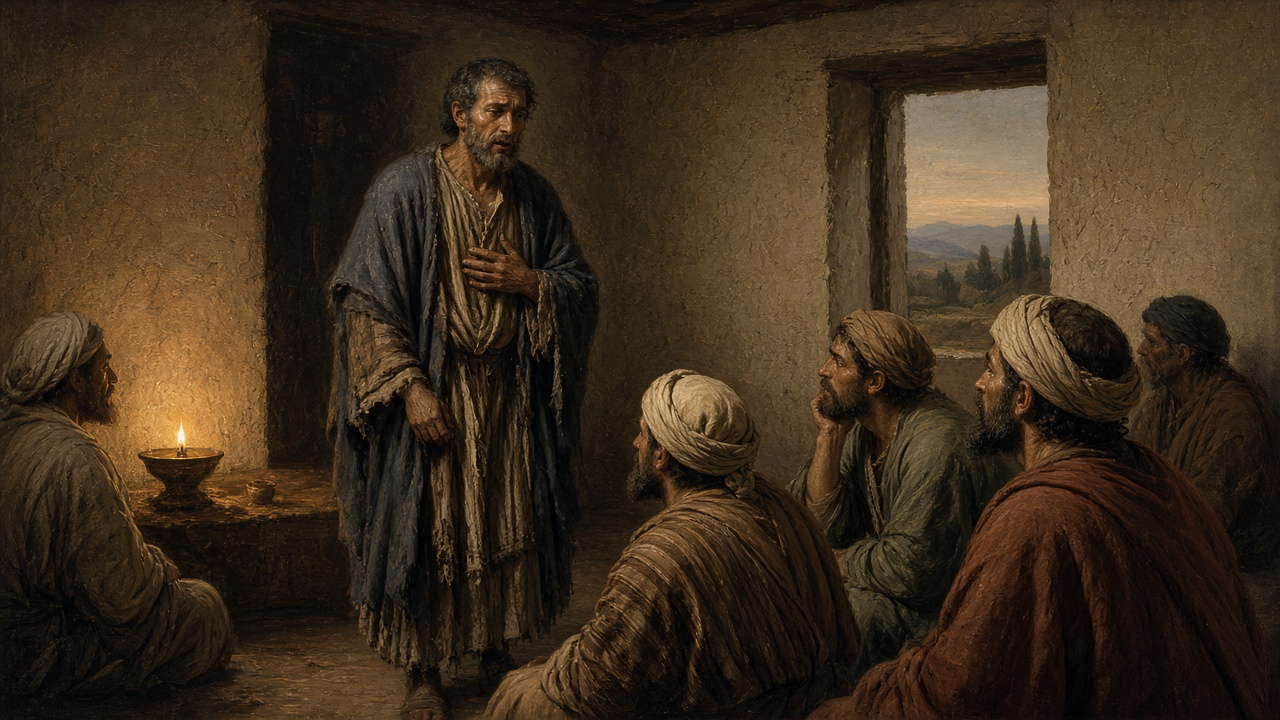
Christ crucified and the Spirit's wisdom
- The writer says he did not come with eloquence or wisdom when he proclaimed the testimony about God. He had resolved to know nothing while he was with them except Jesus Christ and him crucified, and he came in weakness, fear, and much trembling, so their faith would rest on God's power rather than on human wisdom.Sources: the Bible text itself
- The wisdom spoken among the mature is not the wisdom of this age or of its rulers, who are coming to nothing. It is called God's mysterious, hidden wisdom, destined for glory before time began; those rulers did not understand it, or they would not have crucified the Lord of glory.Sources: the Bible text itself
- The chapter says God has revealed by the Spirit what lies beyond human sight, hearing, and imagination. Only a person's own spirit knows that person's thoughts, and only the Spirit of God knows God's thoughts. The natural person does not accept what comes from the Spirit, treats it as foolishness, and cannot understand it, because it is spiritually discerned.Sources: the Bible text itself
Notes written with AI assistance from open sources (Theographic Bible Metadata, CC BY-SA 4.0; Easton’s Bible Dictionary, public domain) and reviewed before publishing.
Credits and license for this translation
Xwɨyí̵á Gorɨxoyá Sɨŋí̵pɨrɨnɨ
The New Testament in the Ankave language of Papua New Guinea
Nupela Testamen long tokples Angave long Niugini
copyright © 1990 Wycliffe Bible Translators, Inc.
Language: Angave (Ankave)
Translation by: Wycliffe Bible Translators
This translation is made available to you under the terms of the
Creative Commons Attribution-Noncommercial-No Derivatives license 4.0.
You may share and redistribute this Bible translation or extracts from it in any format, provided that:
You include the above copyright and source information.
You do not sell this work for a profit.
You do not change any of the words or punctuation of the Scriptures.
Pictures included with Scriptures and other documents on this site are licensed just for use with those Scriptures and documents.
For other uses, please contact the respective copyright owners.
2012-10-03
Source: http://png.bible/aak/ · eBible.org