Marcos 1
Thukam Thar Lente Ṭon · Toca un versículo para ver sus referencias cruzadas.
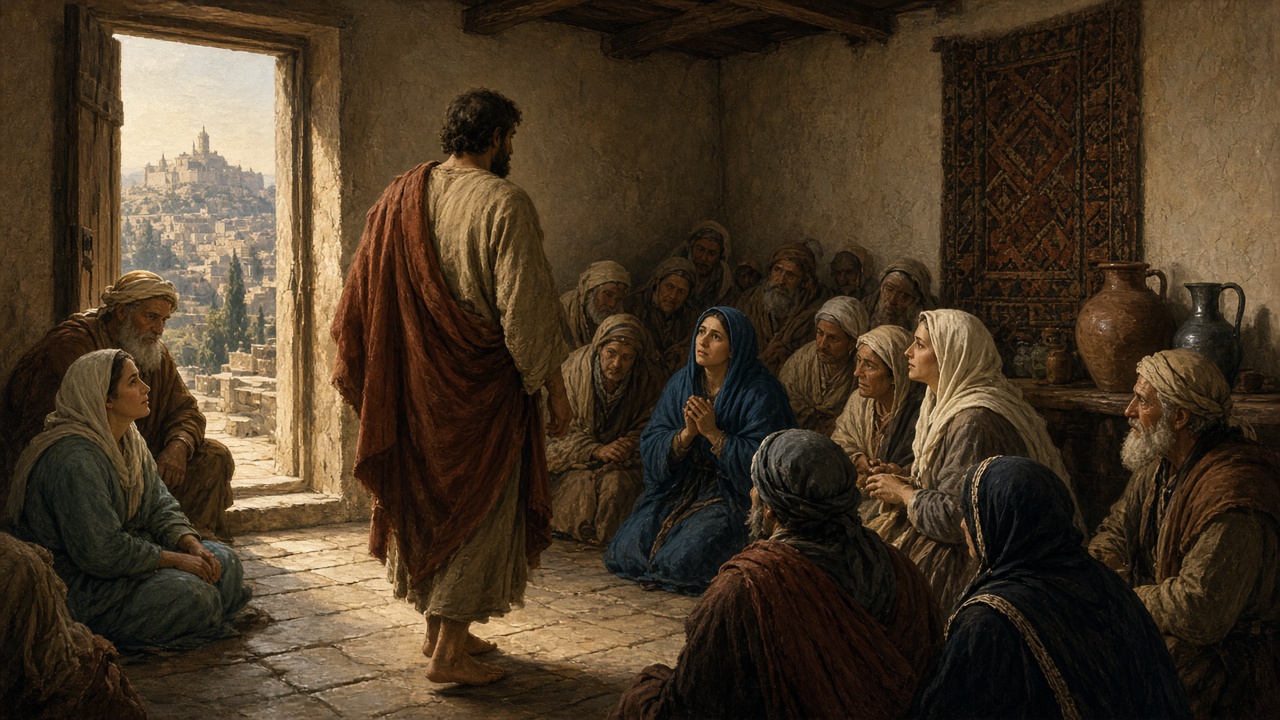
Acerca de este libro
Acerca de Marcos
- El Diccionario Bíblico de Easton (1897) identifica al evangelista como Juan, de sobrenombre Marcos. Marcos, o Marcus, era su nombre romano y poco a poco reemplazó el nombre judío Juan. Era hijo de María, mujer de ciertos recursos e influencia, probablemente nació en Jerusalén, donde ella vivía, y era primo de Bernabé; del padre, dice el artículo, no se sabe nada.Fuentes: Easton: Mark
- El Diccionario Bíblico de Easton (1897) no da una fecha para el Evangelio. Sitúa a Marcos con Pablo y Bernabé en su primer viaje, hacia el 47 d.C., como ayudante, a quien llama ministro; Marcos se volvió en Perge de Panfilia, y unos tres años después Pablo se negó a llevarlo, lo que provocó una fuerte discusión con Bernabé. El artículo dice que luego se reconcilió, estuvo con Pablo durante su primera prisión en Roma, después con Pedro en Babilonia —entonces, y durante algunos siglos después, una de las principales sedes del saber judío— y con Timoteo en Éfeso.Fuentes: Easton: Mark
- Bajo los romanos, en tiempos de Cristo, Judea era la más meridional de las tres divisiones de Palestina y parte de la provincia de Siria, aunque el nombre a veces se usaba para Palestina entera. Poncio Pilato, el sexto procurador de Judea (26–36 d.C.), tenía su sede en Cesarea, pero subía a menudo a Jerusalén; su gobierno abarcó los ministerios de Juan el Bautista y de Jesús.Fuentes: Judea · Pontius Pilate
- Los judíos llamaban a la región Galil; como los habitantes originales permanecieron allí mucho tiempo, también se la llamó Galilea de los gentiles, y la Galilea Superior se distinguía de la Galilea Inferior, al sur. Simón Pedro, de Betsaida, en la costa occidental del mar de Galilea, se formó como pescador, y Jacobo y Juan, hijos de Zebedeo, también trabajaban como pescadores en ese lago.Fuentes: Galilee · Simon Peter · James (Son of Zebedee) · John the Apostle
- Easton considera probable que Marcos fuera convertido por Pedro en la casa de su madre, en Jerusalén, donde Pedro, recién liberado de la cárcel, halló a muchos reunidos en oración, y señala que Pedro lo llama su hijo. El mismo artículo también juzga probable que el joven mencionado en Marcos 14:51–52 fuera el propio Marcos.Fuentes: Easton: Mark
Notas escritas con ayuda de IA a partir de fuentes abiertas (Theographic Bible Metadata, CC BY-SA 4.0; Easton’s Bible Dictionary, dominio público) y revisadas antes de publicarse.
Baptisma Petu Johan ih Thusipnak
1Pathian Fapa, Jesuh Khrih ih Thuthang Ṭha ih hramthawhnak cu hitih in a si. 2Profet Isaiah ih nganmi mangin:
“ ‘Zohhnik, na hmai ah ka palai ka thlah thok,
Ani nih na zalam a timtuah thok.’
3Ramṭhing ih mi pakhat hehnak aw nih,
‘Bawipa ih zalam timtuah uh;
A zalam cu dingter uh,’ a ti.”
4Baptisma petu Johan cu ramṭhing la in a ban ih, sual ngaihthiamnak hrangah sirfaknak baptisma thu a sim. Ani nih mipi pawl sinah, “Nan sual sir uh la baptisma la uh. Cun Pathian nih nan sual pawl nan ta ngaihthiam thok,” tiah a ti. 5Cun Judea peng pumpi le Jerusalem mi zate pawl cu a sinah an feh. An sualnak pawl an phuang ih Johan hmangin Jordan tikua ah baptisma an co.
6Johan cu kalauk hmul ih tuahmi hnipuan a hru ih a tai ah saphaw taikap a kap. Cun khabawk le hramlak khuailawti cu caw ah a ei. 7Cun, a thusipmi cu, “Ka dungih a tiang dingmi pa hi kei nakin a picang sawn, a hmai ah kun pit in a kedap hri phoihsaktu ding hmanah kei cu ka tlak lo. 8Kei cu ti in baptisma nan ta pe; asinain ani cu Thlarau Thianghlim thawn baptisma nan ta pe thok,” tiah a i.
Jesuh ih Baptisma le Tukforhnak
9Cuvai ni ah Jesuh cu Galilee peng Nazareth khua in a ban ih Johan hmangin Jordan tikua ah baptisma a la. 10Cun Jesuh cu ti sungih a hang suah cangka in van a hong fa ih Thlarau cu thute mangin a tlunih a rong ṭum cu a hmu. 11Cun van in aw pakhat nih, “Nang cu ka duhdawt ngaimi ka Fapa na si, na cungah ka lung a kim setak,” tiah a ti.
12Hmakhatte ah Thlarau nih Jesuh cu ramṭhing ah a ṭhita. 13Cun cuvai hmun ah ni sawmli a um ih Seihtan nih a tukforh. Ramsa pawl thawn an um ih vancungmi pawl nih an tuamhlawm.
Jesuh nih Nga Tlaitu Pali A Ko
14Johan thawng an thlak hnukah Jesuh cu Galilee peng ah a feh ih Pathian ih Thuthang Ṭha a sim. 15Jesuh nih, “Tikcu a kim i ih Pathian uknak a nai i! Nan sual sir u la Thuthang Ṭha cu zum uh!” tiah a sim.
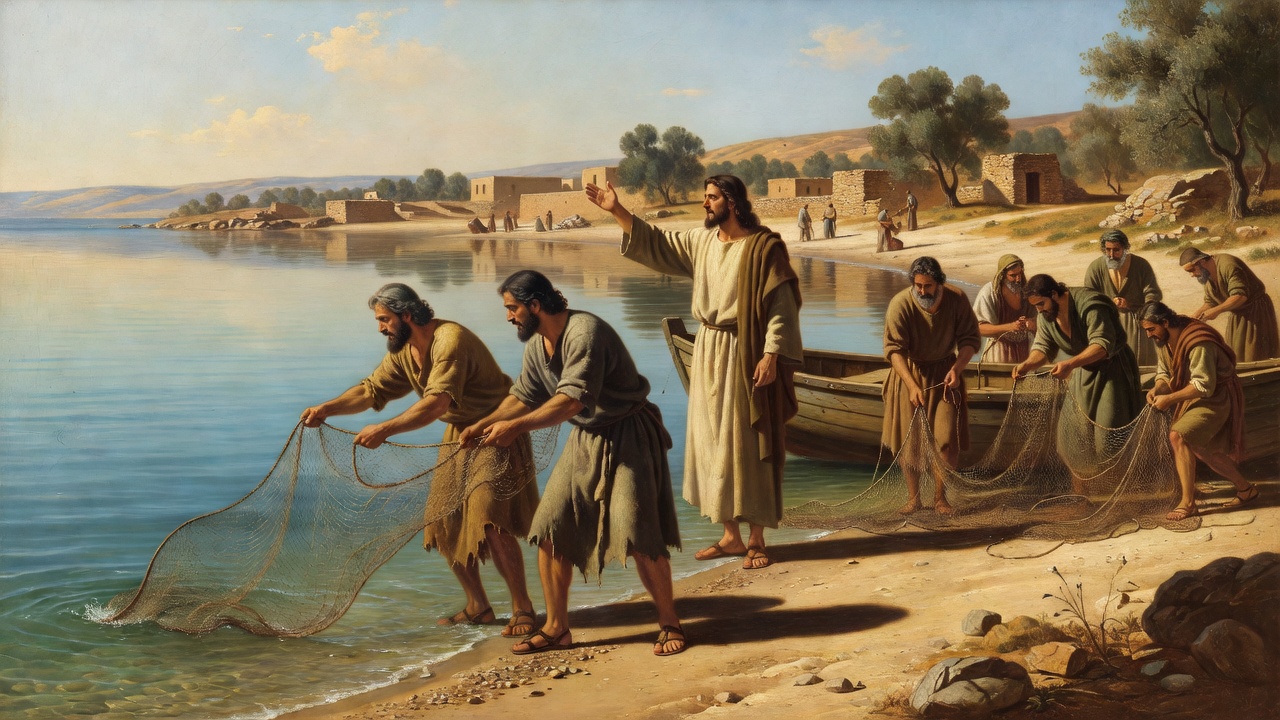
16Jesuh cu Galilee Tili kap ih a feh laiah, Simon le a unaupa Andru cu nga tlaitu an ih ruangah, tili sungah sur an vorh berbo lai a hmu hnei. 17Cun Jesuh nih an sinah, “Ka thlun uh, cule minung tlaitu ah nan ta tuah thok,” tiah a ti hnei. 18Hmakhatte ah an ni nih an sur pawl an ramta ih a dung an thlun.
19Cun Jesuh cu a hlat deuhnak ah a feh ih, Zebedi ih fapa James le a unaupa Johan lawng sungih an sur pawl an rep berbo lai a hmu hnei. 20Hmakhatte ah Jesuh nih a ko hnei ih, an pa Zebedi cu an tlakfa pawl thawn lawng sungah an ramta ih a dung an thlun.
Thlarau Sia ih Molhmi Pa
21Jesuh le a dungthluntu pawl cu Kapernaum khua ah an feh, a zingla Sabbath ni ah Jesuh cu Sinakok ah a lut ih thuzirh a thok. 22A thuzirhmi ah an mang a bang, zangahtihle Daanthiam pawl mang i lo in, ani cu thuneitu pakhat mangin a zirh.
23Cuvai can ah thlarau sia ih molhmi pa pakhat cu Sinakok sung ah a tiang ih, 24“Nazareth mi Jesuh, zangtu ah kan na ṭul? Kan na siatsuah dingah maw na tiang? Hu na si tih ta fiah — nang cu Pathian ih mi Thianghlim Pakhat na si,” tiah a hek.
25Cun Jesuh nih cupa cu, “Daite in um, cupa ih sung in suak!” tiah a tai.
26Thlarau sia nih cupa cu thangai in a caihter ih thangngai a heh hnuk ah, cupa ih sung in a suak. 27Cun an zatein an mangbang colh ih, “Aimang thil cu zangtih in a i? Zirhnak thar maw a i? Thlarau sia pawl hman thuneihnak thawn thu a pe hnei ih a thu an thlun!” tiah pakhat le pakhat an sutfa.
28Cutin Jesuh ih thuhla cu hmakhatte ah Galilee peng zate ah a thang colh.
Jesuh nih Mi Tamngai A Damter
29Jesuh cu Sinakok ih a suah cang in Simon le Andru teiʼ inn ah James le Johan thawn an lut. 30Simon nupi ih nu cu khurhfah in a fak ih a it; Jesuh a tian cang in cuvai thu cu an sim lohli. 31Jesuh cu a sin a va feh ih a kut in a han tho. A khurhfahnak cu a dam ih a tuamhlawm hnei.
32Ni a pil ih simla a tian tikah, mi fak pawl le thlarau sia ih molhmi pawl hmahhmah cu Jesuh sinah an tianpit. 33Cun an khawpawh in cuvai inn suahka hmai ah an hmuakkhawmfa. 34Jesuh nih fahnak phunphun ih a fakmi pawl a damter, cule khawsia tamngai khaw a dawisuak hnei. Khawsia pawl cu ṭon a sian hnei lo; zangahtihle hutu a si tih an fiah.
Galilee ah Jesuh Thu A Sim
35Zingmaw khawvang hlan ah Jesuh cu a tho ih inn leng ah a suak. Thawngṭhingnak hmun ah a feh ih thla a cam. 36Simon le a rualpi pawl nih Jesuh cu an hrawl, 37an hmuh tikah, “Mi hmahhmah nih ta hrawl eng,” tiah an sim.
38Jesuh nih, “Khua kiangkap dang ah feh uh sing. Thu ka sim hnei thok. Zangahtihle cucu ka tiannaksan a i,” tiah a sawn hnei.
39Cun Galilee peng hmahhmah ah a feh ih an sinakok pawl ah thu a sim ih khawsia pawl khaw a dawisuak.
Jesuh nih Miphar Pakhat A Damter
40Miphar pa pakhat cu Jesuh sin a feh ih, khuk bil in bopnak a hler ih, “na duh ah cu, ka na thiangter thei,” tiah a ti.
41Jesuh nih a thinfak ih a kut dawh pit in a tham. Cule a sinah, “Ta ka thianter ka duh, thiang i,” tiah a ti. 42Hmakhatte ah a pharfah a dam ih a thiang. 43Jesuh nih fak ngai in ralrinnak a pe ih a hlatnak ah a fehter lohli, 44Cun a sinah, “Ngai hnik! Hutu sinah zangkhaw sim hlah. Cunakin puithiam sinah va feh cih la tak zohfel seh; mi hmahhmah nih na dam tihmi an fiahnak dingah Moses ih thupekmi mangin mithiang na sihnak dingah thawinak pe,” tiah thu a pe.
45Sikhawsehla cupa cu a feh ih a damnak thu cu duhsah ngaiin a sim ih khawhra a thang. Curuangah Jesuh cu mi ih hmuhhngan in khaw sungah a lut thei i lo. Khaw lengah a um ih a sinah hmunzakip in mi nih an pha.
¿Sabías que…?
El evangelio comienza en el Jordán y en Galilea
- Juan, que aparece en el desierto predicando un bautismo de arrepentimiento, era de linaje sacerdotal. Su padre, Zacarías, era sacerdote del turno de Abías, y su madre, Elisabet, era de las hijas de Aarón; se dice que su nacimiento ocurrió seis meses antes que el de Jesús. Su misión se describe como tema de profecía en Isaías y Malaquías.Fuentes: John the Baptist · el propio texto bíblico
- Simón y su hermano Andrés eran pescadores de Betsaida, en la costa occidental del mar de Galilea. Andrés había sido discípulo de Juan el Bautista y ya había llevado a Simón a Jesús; los hermanos siguieron trabajando como pescadores hasta después del encarcelamiento de Juan. Santiago y Juan eran hijos de Zebedeo, un pescador galileo de cierta posición en Capernaúm, que tenía jornaleros propios; ellos lo dejaron en la barca con esos hombres.Fuentes: Simon Peter · Andrew · Zebedee · el propio texto bíblico
- El mar de Galilea, también llamado mar de Tiberíades, mide unas doce millas y media de largo y de cuatro a siete millas y media de ancho, y su superficie está a 682 pies bajo el Mediterráneo. Jesús vino desde Nazaret, en Galilea, para ser bautizado; esa ciudad no se menciona en el Antiguo Testamento y era el hogar de José y María. Bajo los romanos, Judea era la más meridional de las tres divisiones de Palestina, y la gente salía al encuentro de Juan desde Jerusalén y la campiña de Judea.Fuentes: Sea of Galilee · Nazareth · Judea · el propio texto bíblico
Notas escritas con ayuda de IA a partir de fuentes abiertas (Theographic Bible Metadata, CC BY-SA 4.0; Easton’s Bible Dictionary, dominio público) y revisadas antes de publicarse.
Lugares de este capítulo
- Jerusalem · 31.777, 35.234 · versículo 5
- Jordan · Hoy: Jordan River · 31.761, 35.558 · versículos 5, 9
- Judea · Hoy: Judea 1 · 31.777, 35.234 · versículo 5
- Galilee · 32.760, 35.527 · versículos 9, 14, 28, 39
- Nazareth · 32.702, 35.298 · versículos 9, 24
- Sea of Galilee · 32.819, 35.590 · versículo 16
Solo aparecen lugares identificados con alta confianza (90 % o más según las fuentes académicas reunidas por OpenBible). Mapa de la época: DARE (Digital Atlas of the Roman Empire), CC BY 4.0; mapa actual: © colaboradores de OpenStreetMap; lugares: OpenBible.info (CC BY 4.0).
Créditos y licencia de esta traducción
Thukam Thar Lente Ṭon
The Holy Bible in the Falam Chin language of Myanmar: Thukam Thar Lente Ṭon
copyright © 2025 The Word for the World International
Language: Falam
Contributor: The Word for the World International
Lente Thukam Thar
The New Testament in Lente Language
The Word for the word
This translation is made available to you under the terms of the
Creative Commons Attribution Share-Alike license 4.0.
You have permission to share and redistribute this Bible translation in any format and to make reasonable revisions and adaptations of this translation, provided that:
You include the above copyright and source information.
If you make any changes to the text, you must indicate that you did so in a way that makes it clear that the original licensor is not necessarily endorsing your changes.
If you redistribute this text, you must distribute your contributions under the same license as the original.
Pictures included with Scriptures and other documents on this site are licensed just for use with those Scriptures and documents.
For other uses, please contact the respective copyright owners.
Note that in addition to the rules above, revising and adapting God's Word involves a great responsibility to be true to God's Word. See Revelation 22:18-19.
2025-07-02
Fuente: http://ebible.org/cfm/ · eBible.org