Marcos 1
Boga New Testament Portion · Toca un versículo para ver sus referencias cruzadas.
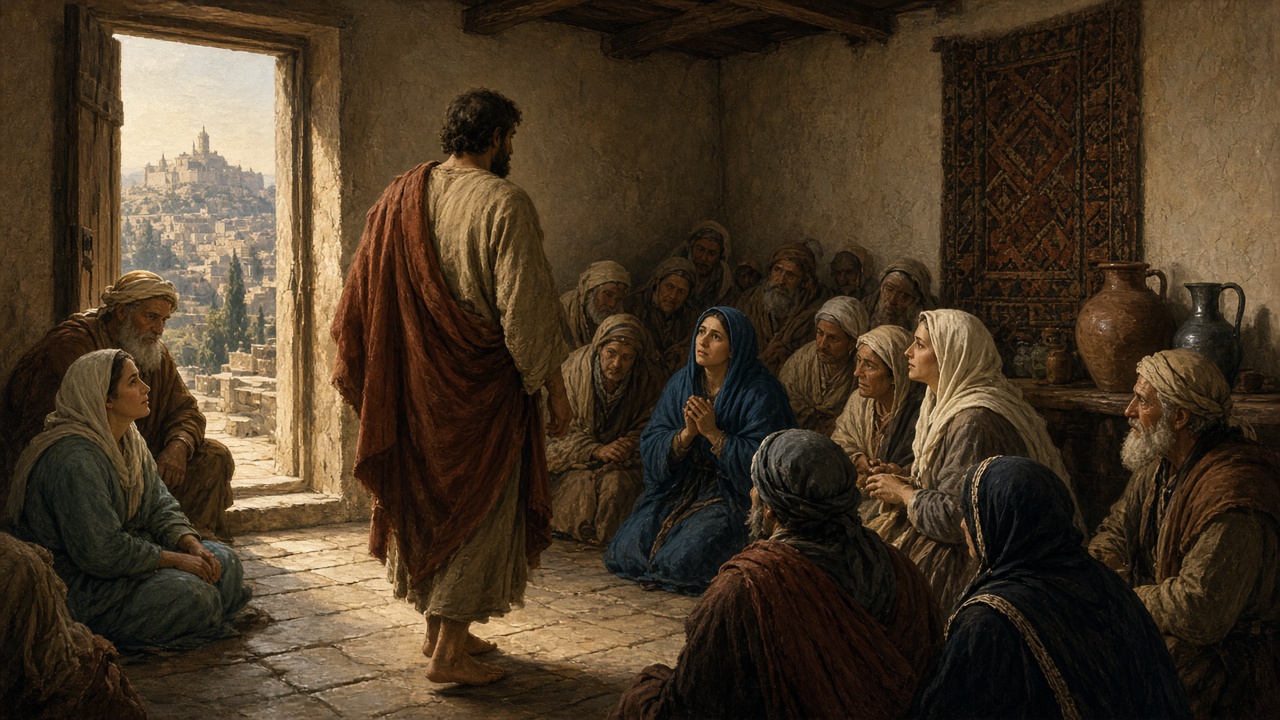
Acerca de este libro
Acerca de Marcos
- El Diccionario Bíblico de Easton (1897) identifica al evangelista como Juan, de sobrenombre Marcos. Marcos, o Marcus, era su nombre romano y poco a poco reemplazó el nombre judío Juan. Era hijo de María, mujer de ciertos recursos e influencia, probablemente nació en Jerusalén, donde ella vivía, y era primo de Bernabé; del padre, dice el artículo, no se sabe nada.Fuentes: Easton: Mark
- El Diccionario Bíblico de Easton (1897) no da una fecha para el Evangelio. Sitúa a Marcos con Pablo y Bernabé en su primer viaje, hacia el 47 d.C., como ayudante, a quien llama ministro; Marcos se volvió en Perge de Panfilia, y unos tres años después Pablo se negó a llevarlo, lo que provocó una fuerte discusión con Bernabé. El artículo dice que luego se reconcilió, estuvo con Pablo durante su primera prisión en Roma, después con Pedro en Babilonia —entonces, y durante algunos siglos después, una de las principales sedes del saber judío— y con Timoteo en Éfeso.Fuentes: Easton: Mark
- Bajo los romanos, en tiempos de Cristo, Judea era la más meridional de las tres divisiones de Palestina y parte de la provincia de Siria, aunque el nombre a veces se usaba para Palestina entera. Poncio Pilato, el sexto procurador de Judea (26–36 d.C.), tenía su sede en Cesarea, pero subía a menudo a Jerusalén; su gobierno abarcó los ministerios de Juan el Bautista y de Jesús.Fuentes: Judea · Pontius Pilate
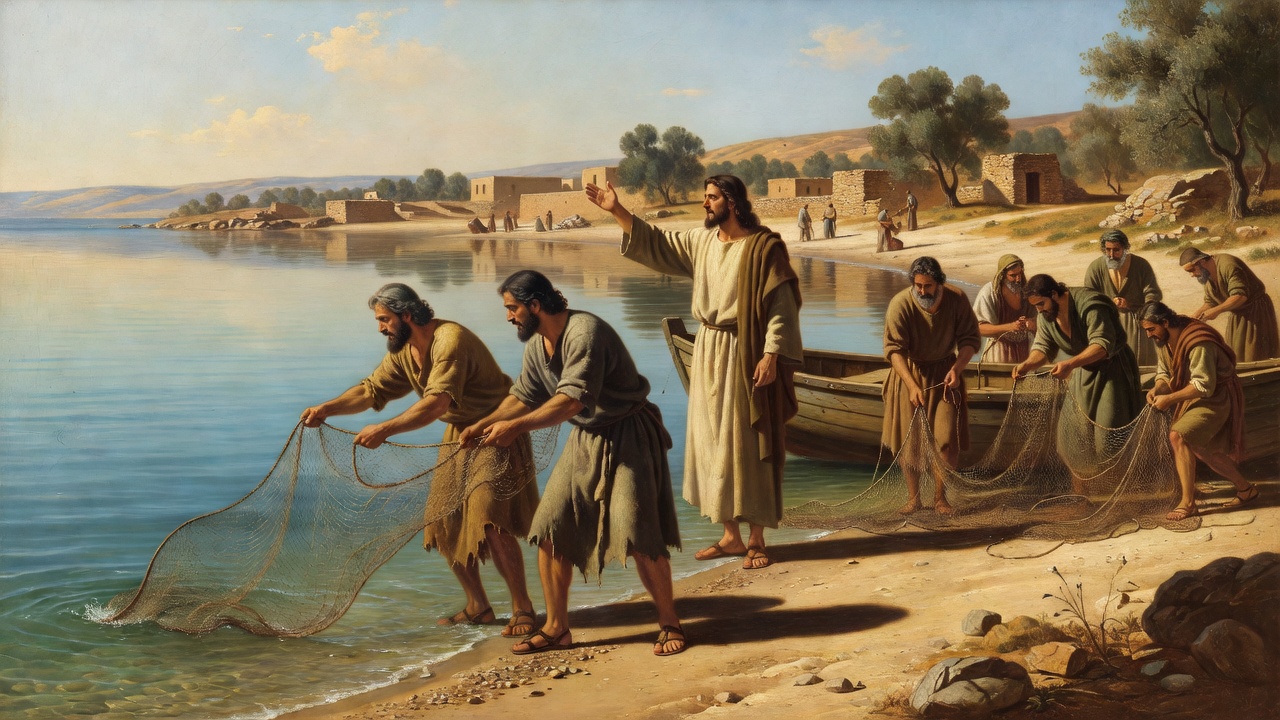
- Los judíos llamaban a la región Galil; como los habitantes originales permanecieron allí mucho tiempo, también se la llamó Galilea de los gentiles, y la Galilea Superior se distinguía de la Galilea Inferior, al sur. Simón Pedro, de Betsaida, en la costa occidental del mar de Galilea, se formó como pescador, y Jacobo y Juan, hijos de Zebedeo, también trabajaban como pescadores en ese lago.Fuentes: Galilee · Simon Peter · James (Son of Zebedee) · John the Apostle
- Easton considera probable que Marcos fuera convertido por Pedro en la casa de su madre, en Jerusalén, donde Pedro, recién liberado de la cárcel, halló a muchos reunidos en oración, y señala que Pedro lo llama su hijo. El mismo artículo también juzga probable que el joven mencionado en Marcos 14:51–52 fuera el propio Marcos.Fuentes: Easton: Mark
Notas escritas con ayuda de IA a partir de fuentes abiertas (Theographic Bible Metadata, CC BY-SA 4.0; Easton’s Bible Dictionary, dominio público) y revisadas antes de publicarse.
Yohanna lǝ Sǝt Baptima Tahsandǝ Ɓanda Yǝso ɗi
1Leya kweshcha shundǝ kǝ ɗar Yǝso kǝrǝsti hweya Fara. 2Nda i yarandǝ tapǝnaa Ishaya hi tǝ ndatwa: "Ni thlǝn lǝ thlǝnda mban le na tahsandǝ mbanɗeku ɗi. 3Ɓurata nifǝ le naka atfata hur loktara, le naka ndatwa tahsan mbanda lǝ Mwanda ɗi kǝ pupwenangnguni mbachikǝn'en hi."
4Ɓak Yohanna nakna ɓasa hur loktarǝ tǝ ndatwa: "Chikawuni kǝtǝrǝnhi kǝ sangfichǝ Baptisma kǝ kalang fichǝ ɓǝɓichitfechi'enhi." 5Nat nofchi Yahudiya tǝ Urshelima ɗǝknda ɓǝɗ'en tǝrkǝndǝhi saǝn baptisma kanda a suhwaɗ Urdun. 6Yohanna njela'en pom ngelupa kǝnaǝn mumi'en tǝ poma, ɗǝsǝmtǝ'en mbecha tǝ ɗecha. 7Ndakǝnwa yuna ɓata ɗiffitǝna le nak mwanchin mǝ njang chika sahǝt pahǝmchi'en sǝkwisi kǝ koppihi kǝ kwasayihiwa. 8Saayi Baptisma kuni tǝ ama paɗ nakna sǝt ikǝn tǝ Chiɗchiɗ chit Shemeɗa.
Sa Fichǝ Baptisma Yǝso
9Hanmunchiniyu ɓak Yǝso thlata Nazarat a thlet hǝmǝt Galili. Yohanna saǝn baptisma a suhwaɗ Urdun. 10Nak Yǝso cheta kisha hur ama chatkichuyu nakǝn in'afshi hi ɓak Shemeɗa Fara hai kǝ ɗar indi'en nda ngungwiɗnga. 11Sǝkkǝ nofchǝ ɓurata a afshi tǝ ndatwa: "Sokǝn naka hwe'engna le yahti paɗ lela sǝkti mbǝnkǝnfa."
Kǝkaɗa Sheɗan Yǝso
12Chatkichuyu pǝkkǝ Shemeɗa Farǝ ndǝ kǝ hur loktara. 13Munɗǝ kumchit fwaɗa Sheɗanna kǝkaɗanda a hur loktara. Mǝla hur loktara tǝ ɗǝ hǝrǝmcha nak mala'ika Fara kǝssandǝsi.
Tirke Yǝso Tora Galili
14Ɗiffitǝkǝn kǝsang fichǝ Yohanna, ɓak Yǝso kǝ hachahai Galili nakna ɓasǝ kweshcha shunda Fara. 15Ndakǝnwa: "Ɓeɗ hanmunchǝkǝn nduk. Fara yehsǝ cheɗanda kuni wa kutur nakǝn. Chikawuni kǝ tǝrǝnhi, fǝram kit kǝ kwescha shunda Fara."
Eɗ Yǝso Tǝrka Kimshechi'en
16Nak Yǝso ɓǝrtǝhi tǝ mi suhwaɗ Galili, nakǝn Siman tǝ Andarawus hwanman Siman kanda muh langtanganga kǝthlǝm fa tumchǝ naknda. 17Ndang Yǝso kandǝwa: "Kuramnji ni sandǝkuni kǝfa ɓat tǝ nofcha mbǝɗengna." 18Chatkichuyu malangndǝ tum tincha kurǝkǝndǝndǝ. 19Nak Yǝso witǝ kǝ ɓan, nakǝn Yakubu hweeya Zabadi tǝ Yohanna hwanmankǝn a hur kommbawal, kanda tahsandǝ langtangchengnanda. 20Akǝn kanda malkǝndǝ shinnandǝhi, Zabadi hur kommbawal tǝ tahǝt fa torcheng nanda kurǝkǝndǝndi.
Yǝso Riktǝ Ɓǝɓi Shemeɗa
21Ɓaknda Kafarnahum, ɓak farǝ yipta Yahudawecha, yimkǝ Yǝso ɓǝt humta Yahudawechihi, nakna sakanda kandǝhar. 22Shekɗa ng i'ndǝ kandǝ tǝ witǝ sakiniyu, nda nifǝ sǝkkǝsi, nga nda malndǝmcha thlahɓǝt Musa wa. 23Nifǝsa hur ɓǝt humta Yahudawechikǝnhi tǝ ɓǝɓi Shemeɗa fa hwakǝn, 24ndakǝnwa: "Mǝ kǝmukǝ tǝ kani Yǝso lǝ Nazarat ta? Ɓaku kǝ tǝkangnǝ kanihiwa? A shini ndu wunnaku. Sokǝn naku Chiɗchiɗ le ɓaka mbǝɗa Fara." 25"Ɓokang Yǝso ɓǝɓi shemeɗkǝnhi ndaǝnwa ngasu ɓa, chukisha fat'en!" 26Ɓǝɓi shemeɗkǝn nakna saktanda mǝla hwata cheknakisha fat'en. 27Pǝɗang ǝnatkǝn nofchǝkǝnfa sahangndǝ ndani witǝ mǝ leya? Yuwa sakandaɗi tǝ sǝktǝsiwa? Ndangna ɓǝɓi shemeɗchǝkǝnwa kǝ chendakish paɗ sǝkkǝndǝndi. 28Kusheng i sǝt Yǝso yu sǝkkǝficha a hachahai Galili nat.
Kǝnna Yǝso Nofcha ɗǝ oi
29Ɗiffitǝ chendengnanda kisha ɓǝt humta Yahudawechihi, pǝɗang Yǝso tǝ Yakubu tǝ Yohanna kǝ hura'a nda Siman tǝ Andarawus. 30Nak thlaɓǝr Siman hahchin hafat kakǝnnda, chatkichuyu ɓwa'angnda Yǝso. 31Ɗǝk Yǝso ɓǝsndi kǝskǝn har'en thlaǝn, chat kǝnkǝna ɗaɗi nakna sǝt tor ɗǝsǝmta. 32Ɗiffitǝ hǝmta farǝhi ngomang ndǝ haacha tǝ fa ɓǝɓi luwurcha, 33Nofchi hur hǝmǝtkǝn ngomkǝnda kish kǝ mi hura'a, 34Kǝnang Yǝso hachǝkǝnaɗi tǝ fa ɓǝɓi luwurcha, paɗ malawutǝ fa ɓǝɓi luwurchǝkǝn kǝ shuwunndǝwa kǝthlǝm shinndǝndi.
Piɗet Yǝso Hwanda Ɓǝɗi Nguchit Nifǝsi
35Thlaakǝna ɓingtǝ tung, mwee ɓǝt shumma kǝ ɓǝt nguɗuk ka hwanda. 36Siman tǝ tahǝt nofchǝkǝn naknda katndi. 37Mbǝsangnda, ndangndǝwa: "Chikawun mǝla kassa." 38Ndang Yǝso kandǝwa: "Tama hwanhǝmchi naka ɓan, kǝnni ɓasa pǝnniyu paɗ ndǝkǝn cheka ɓat tǝ nji." 39Wu'yaǝn hachahai Galili nak na ɓasa ɓǝt humta Yahudawechihi nak na chandǝ ɓǝɓi luwurcha kish.
Kǝna Yǝso Nifǝ tǝ Tarkwinda fa
40Ɓak nifǝ tǝ tarkwinda fa, kopkǝnhi nakna hwanandǝ tǝ ndatwa: "Ma yehnǝsi kǝnitǝna ɗaɗi." 41Haɗaǝn Yǝso fa, tǝka'ǝn harfa, ndakǝnwa: "Yehisi kǝnu ɗaɗi." 42Chat kichuyu yimkǝ tarkwiinkǝnhi kǝnkǝnaɗi. 43Ndang Yǝso wa pǝɗu kǝ mbwa'ana nifǝwa, 44"Mbwa'ana chikawunwa, pǝɗu ɗu cheɗan faɗǝ ku Pǝrist kǝ fǝrnǝ i la fǝrtǝ ficha ma kǝnafichǝ nifa ɗaɗi nda ǝnnǝnǝ sakandǝ Musa kuni har yu, kǝ sokka ǝnnat sǝndǝwa kinnaɗi." 45Pǝɗakǝn nakna mbwa'anda nofcha nakna fanandǝ shuwunkǝnhi ka'ǝn, kǝthlǝm ndǝkǝn Yǝso mbǝla'utǝ kalǝfathi a thlet hwanhǝmchǝkǝnwa. Pǝndakǝn kǝ ɓǝt ngunduk, paɗ nak nofcha ɓata mbǝɗ'en chika tǝ teni.
¿Sabías que…?
El evangelio comienza en el Jordán y en Galilea
- Juan, que aparece en el desierto predicando un bautismo de arrepentimiento, era de linaje sacerdotal. Su padre, Zacarías, era sacerdote del turno de Abías, y su madre, Elisabet, era de las hijas de Aarón; se dice que su nacimiento ocurrió seis meses antes que el de Jesús. Su misión se describe como tema de profecía en Isaías y Malaquías.Fuentes: John the Baptist · el propio texto bíblico
- Simón y su hermano Andrés eran pescadores de Betsaida, en la costa occidental del mar de Galilea. Andrés había sido discípulo de Juan el Bautista y ya había llevado a Simón a Jesús; los hermanos siguieron trabajando como pescadores hasta después del encarcelamiento de Juan. Santiago y Juan eran hijos de Zebedeo, un pescador galileo de cierta posición en Capernaúm, que tenía jornaleros propios; ellos lo dejaron en la barca con esos hombres.Fuentes: Simon Peter · Andrew · Zebedee · el propio texto bíblico
- El mar de Galilea, también llamado mar de Tiberíades, mide unas doce millas y media de largo y de cuatro a siete millas y media de ancho, y su superficie está a 682 pies bajo el Mediterráneo. Jesús vino desde Nazaret, en Galilea, para ser bautizado; esa ciudad no se menciona en el Antiguo Testamento y era el hogar de José y María. Bajo los romanos, Judea era la más meridional de las tres divisiones de Palestina, y la gente salía al encuentro de Juan desde Jerusalén y la campiña de Judea.Fuentes: Sea of Galilee · Nazareth · Judea · el propio texto bíblico
Notas escritas con ayuda de IA a partir de fuentes abiertas (Theographic Bible Metadata, CC BY-SA 4.0; Easton’s Bible Dictionary, dominio público) y revisadas antes de publicarse.
Lugares de este capítulo
- Jerusalem · 31.777, 35.234 · versículo 5
- Jordan · Hoy: Jordan River · 31.761, 35.558 · versículos 5, 9
- Judea · Hoy: Judea 1 · 31.777, 35.234 · versículo 5
- Galilee · 32.760, 35.527 · versículos 9, 14, 28, 39
- Nazareth · 32.702, 35.298 · versículos 9, 24
- Sea of Galilee · 32.819, 35.590 · versículo 16
Solo aparecen lugares identificados con alta confianza (90 % o más según las fuentes académicas reunidas por OpenBible). Mapa de la época: DARE (Digital Atlas of the Roman Empire), CC BY 4.0; mapa actual: © colaboradores de OpenStreetMap; lugares: OpenBible.info (CC BY 4.0).
Créditos y licencia de esta traducción
Boga New Testament Portion
Portions of the New Testament in the Boga language of Nigeria
copyright © 2023 The Seed Company in collaboration with Language Developecs and Bible Translators Association
Language: (Boga)
Contributor: Language Developers and Bible Translators
This translation is made available to you under the terms of the
Creative Commons Attribution Share-Alike license 4.0.
You have permission to share and redistribute this Bible translation in any format and to make reasonable revisions and adaptations of this translation, provided that:
You include the above copyright and source information.
If you make any changes to the text, you must indicate that you did so in a way that makes it clear that the original licensor is not necessarily endorsing your changes.
If you redistribute this text, you must distribute your contributions under the same license as the original.
Pictures included with Scriptures and other documents on this site are licensed just for use with those Scriptures and documents.
For other uses, please contact the respective copyright owners.
Note that in addition to the rules above, revising and adapting God's Word involves a great responsibility to be true to God's Word. See Revelation 22:18-19.
2025-07-02
Fuente: http://ebible.org/bvw/ · eBible.org